
When purchasing raw cosmetic materials such as Kojic Dipalmitate extract or Kojic Dipalmitate powder, buyers often focus on the chemical specifications, certificates of analysis, and immediate formulation benefits. However, a deeper understanding of risks and supply chain challenges is essential for making informed procurement decisions. Kojic Dipalmitate is an ester derivative of kojic acid widely used in cosmetic formulations for its skin brightening benefits, but the journey from manufacturer to end-user involves multiple stages that can expose the ingredient to quality risks, logistical complications, pricing fluctuations, and regulatory challenges. Procurement professionals who overlook these considerations may face unexpected costs, delays, or even legal compliance issues that undermine product development and brand reputation. Evaluating risks in advance ensures not only that the Kojic Dipalmitate extract or powder you purchase meets technical expectations but also that it supports long-term business sustainability in a competitive cosmetic market.
One of the primary risks in sourcing Kojic Dipalmitate powder lies in material authenticity. The growing global demand for brightening actives has led to the proliferation of counterfeit or adulterated raw materials. Some unscrupulous suppliers may label lower-grade kojic derivatives or mixtures as Kojic Dipalmitate extract, or may dilute authentic powder with fillers to reduce production costs. For buyers, this presents a serious challenge because visual inspection alone cannot distinguish genuine high-purity Kojic Dipalmitate powder from substandard alternatives. This makes supplier verification, third-party laboratory testing, and traceability of raw material origins indispensable practices. Without rigorous testing, formulators may unknowingly introduce unstable or unsafe material into cosmetic products, leading to potential product recalls or regulatory sanctions.
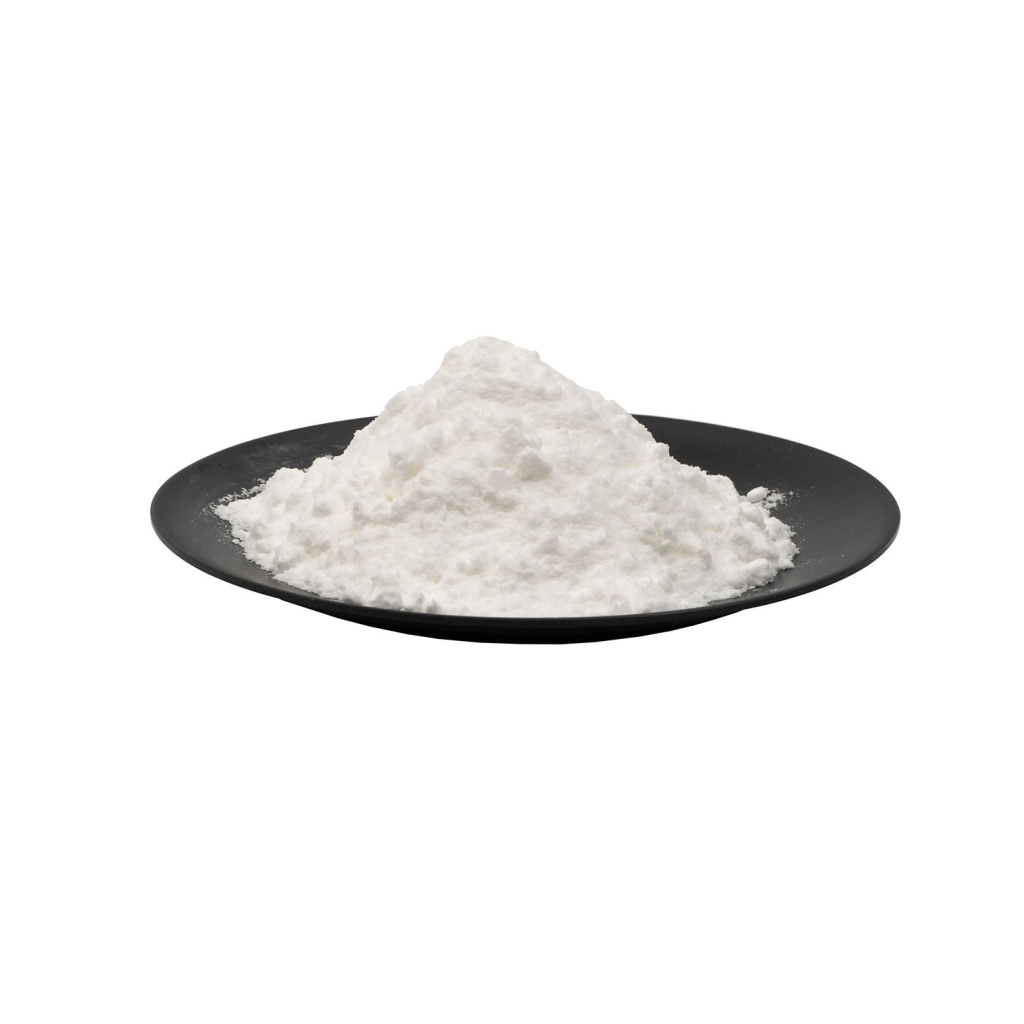
Supply chain complexity adds another dimension of risk. Kojic Dipalmitate is often manufactured in specific regions of Asia, then shipped globally to buyers in Europe, North America, and other markets. Long transportation times, exposure to humidity, temperature fluctuations, and customs delays can compromise ingredient quality even when the initial batch meets specifications. Kojic Dipalmitate powder, while generally more stable than kojic acid, can still degrade if packaging is compromised or if it absorbs moisture during transit. Procurement managers must evaluate not only the supplier’s production standards but also their export and logistics practices. Reliable suppliers typically ship Kojic Dipalmitate extract in moisture-proof aluminum foil bags or HDPE containers within sealed drums, often including desiccants to prevent caking. Buyers who fail to confirm packaging standards risk receiving material that has lost its flowability, reducing ease of handling and formulation performance.
Another critical supply chain issue is pricing volatility. Raw material costs for Kojic Dipalmitate extract can fluctuate due to changes in the prices of its starting materials, such as kojic acid and palmitic acid, or due to shifts in demand driven by consumer trends. When kojic acid prices rise, Kojic Dipalmitate powder costs often follow, creating challenges for long-term budgeting. Buyers must decide whether to engage in long-term contracts to stabilize pricing or purchase on spot markets to remain flexible. Strategic sourcing, such as qualifying multiple suppliers across different regions, reduces dependency on a single supplier and cushions businesses against sudden supply disruptions or price spikes.
Regulatory compliance also represents a significant risk factor. Different markets impose varying restrictions on cosmetic ingredients, and while Kojic Dipalmitate is generally more accepted than kojic acid, buyers must still ensure compliance with international frameworks such as the European Union’s REACH regulations, the U.S. FDA’s cosmetic requirements, or China’s National Medical Products Administration guidelines. Purchasing from suppliers who cannot provide detailed safety data sheets, toxicology reports, or proof of regulatory compliance creates vulnerabilities. Some suppliers may market Kojic Dipalmitate extract without confirming its status under specific national regulations, leaving buyers exposed to potential rejections during product registration. Savvy procurement professionals demand complete technical dossiers and regulatory statements as part of their evaluation process to avoid costly setbacks later.
Global logistics disruptions present another risk that buyers must anticipate. Events such as port closures, container shortages, or geopolitical tensions can delay shipments of Kojic Dipalmitate powder for weeks or months. In industries where time-to-market is critical, such delays can derail product launches or cause inventory shortages. To mitigate this risk, buyers often diversify supply sources and maintain safety stock of critical materials like Kojic Dipalmitate extract. Engaging with suppliers who have established international distribution networks or local warehousing capabilities can also reduce the impact of unforeseen logistics challenges. Transparent communication between buyers and suppliers about lead times and contingency planning is essential to maintain smooth supply chain operations.
Quality consistency across batches is another area where risk emerges. Even when a supplier produces authentic Kojic Dipalmitate powder, variability between production lots can affect formulation performance. For example, slight differences in purity levels, residual solvents, or particle size distribution may lead to unexpected formulation challenges. Buyers must establish vendor qualification programs that include incoming material testing, periodic audits, and performance comparisons across different batches. By implementing strict quality assurance measures, procurement teams can identify inconsistencies early and prevent them from reaching finished formulations. In high-stakes markets where consumer trust hinges on product reliability, overlooking batch-to-batch consistency can have serious consequences.
Storage conditions within the buyer’s facility also play a role in managing risk. Kojic Dipalmitate extract must be stored in cool, dry conditions away from light and oxidizing agents to preserve its integrity. Procurement teams should ensure that warehouse staff follow strict handling protocols, including keeping containers tightly sealed and minimizing exposure during weighing or transfer. Neglecting proper storage can result in material degradation even after a flawless shipment, creating unnecessary waste and financial loss. Buyers who invest in training and infrastructure for proper material handling reduce the risk of quality issues downstream.
In addition to physical and regulatory risks, reputational risks must also be considered. The choice of raw materials reflects on the credibility of the final cosmetic brand. If a brand is associated with unstable or ineffective products because of poor-quality Kojic Dipalmitate powder, the damage extends beyond one product line and can affect consumer trust across the entire portfolio. For procurement teams, this underscores the importance of evaluating not just immediate cost but also long-term brand implications. Aligning with reputable suppliers who maintain high standards of quality, transparency, and support demonstrates a commitment to excellence that consumers increasingly demand.
Sustainability and ethical sourcing present emerging supply chain challenges as well. While Kojic Dipalmitate extract is synthesized, some of its raw materials such as palmitic acid can originate from palm oil. Buyers concerned with environmental impact or corporate responsibility may need to verify whether suppliers adhere to sustainability certifications like RSPO. Choosing suppliers who align with sustainability goals not only reduces reputational risks but also positions the brand favorably in markets where consumers prioritize ethical sourcing. Procurement professionals who factor in these considerations create long-term strategic value that extends beyond cost savings.
Finally, the role of supplier support cannot be overstated in risk mitigation. Suppliers who provide not only high-quality Kojic Dipalmitate powder but also technical guidance, formulation advice, and regulatory updates significantly reduce risk for buyers. This level of collaboration ensures that buyers are not only purchasing an ingredient but also gaining a strategic partner invested in their success. In contrast, suppliers who operate with minimal transparency or technical expertise may create hidden risks that only become apparent after significant investment in formulation and product launch. Establishing strong relationships with technically competent suppliers ensures that risks are identified early, managed effectively, and minimized over the long term.
In conclusion, purchasing Kojic Dipalmitate extract or Kojic Dipalmitate powder involves more than simply evaluating purity or price. Buyers must carefully consider risks related to authenticity, supply chain logistics, pricing volatility, regulatory compliance, batch consistency, storage conditions, reputation, sustainability, and supplier support. By approaching procurement with a comprehensive risk management mindset, companies can safeguard product quality, ensure regulatory compliance, and maintain consumer trust. In an increasingly competitive global cosmetic industry, success depends on more than sourcing the right ingredient—it depends on managing the entire ecosystem of risks and challenges that come with it. Kojic Dipalmitate remains one of the most valuable brightening actives available to formulators, but only when purchased and managed with full awareness of its supply chain complexities does it truly deliver its maximum value.





 English
 German
 Italian
 French
 Spanish
 Japanese
 Korean
 Russian