
Glabridin
INCI: Glabridin / Glycyrrhiza Glabra Root Extract · CAS 59870-68-7 · EINECS 611-908-7
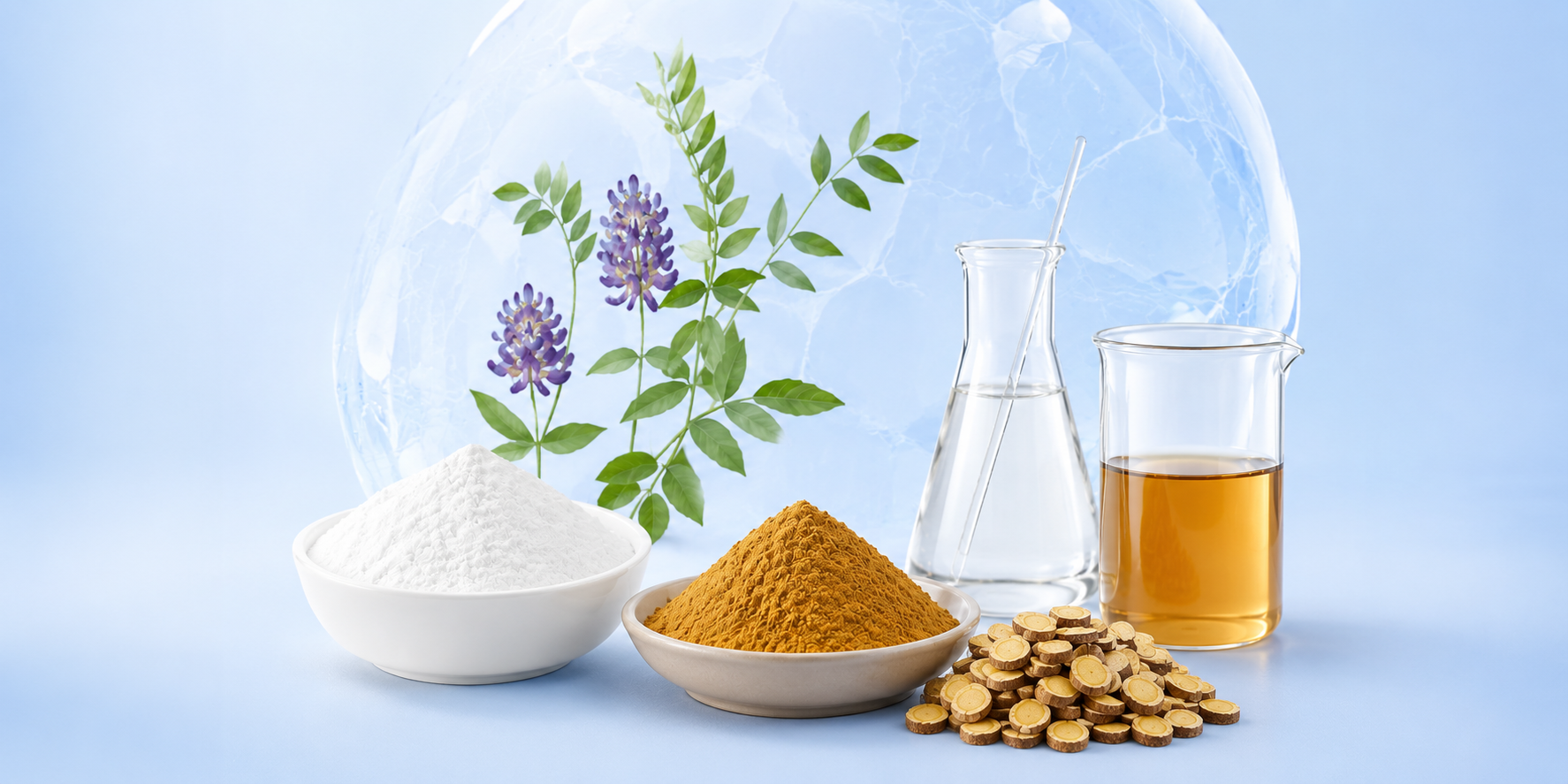
Glabridin is among the most rigorously researched brightening actives in professional cosmetic formulation. Extracted from Glycyrrhiza glabra (licorice) root, it combines non-competitive tyrosinase inhibition with anti-inflammatory COX suppression and antioxidant activity — a triple mechanism that distinguishes it from single-pathway brighteners.
Published by Huatai Bio-Fine Chemical — manufacturer of high-purity cosmetic actives since 2008.
1. Quick Reference Data
2. What Is Glabridin?
Glabridin is a hydroxylated isoflavan — a lipophilic isoflavonoid — first isolated and characterized from Glycyrrhiza glabra L. (licorice) root by Saitoh, Kinoshita, and Shibata at the University of Tokyo in 1976 (Chemical and Pharmaceutical Bulletin, 24:752–754). It is the primary bioactive responsible for licorice root's brightening and anti-inflammatory properties in skin, and remains the most potent brightening monomer among the natural compounds identified to date from the Glycyrrhiza genus.
Identity Data
| Parameter | Value |
|---|---|
| First Isolated | 1976, Saitoh, Kinoshita & Shibata, University of Tokyo — Chem. Pharm. Bull. 24:752–754 |
| Chemical Class | Isoflavonoid — hydroxylated isoflavan |
| Key Structural Feature | Phenolic hydroxyl groups at the 2- and 4-positions; both are essential for tyrosinase inhibitory activity |
| Origin | Glycyrrhiza glabra root — wild-harvested botanical extraction |
| Natural Content in Raw Root | 0.08–0.35% w/w — extraction and purification are technically demanding |
| Commercial Manufacturing Route | Botanical extraction, multi-stage chromatographic purification |
| COSMOS Status | Certified natural ingredient (100% PPAI — 40%, 90%, 98% grades) |
Structural Note: Why the Hydroxyl Groups Matter
Glabridin's tyrosinase inhibition activity is directly tied to its molecular structure. The phenolic hydroxyl groups at positions 2 and 4 of the isoflavonoid core are critical for activity. When both groups are substituted or blocked, tyrosinase inhibitory activity is substantially diminished (Yokota et al., 1998). The 4-position hydroxyl has the strongest direct relationship with melanin synthesis suppression.
Raw Material Sourcing
Huatai sources Glycyrrhiza glabra exclusively from wild-harvested grasslands in Kyrgyzstan and Uzbekistan — regions where high altitude (above 2,000 m), mineral-rich soils, intense solar radiation, and wide diurnal temperature variation produce licorice root with significantly higher isoflavonoid content than cultivated varieties.
Huatai manages 30,000 mu (~2,000 hectares) of rotational harvesting grassland, with approximately 10,000 mu harvested annually. Raw material is pre-processed locally and transported to Huatai's Yangling (Shaanxi) facility via the China-Europe Railway Express.
Annual production capacity:
- Licorice root processing: 2,000–3,000 metric tons/year
- 98% Glabridin output: 1,800–2,400 kg/year
Market Context
Glabridin solves a well-established formulation problem: traditional high-efficacy brighteners (hydroquinone, high-concentration L-ascorbic acid, resorcinol derivatives) frequently cause barrier disruption and irritation. Glabridin provides clinically validated tyrosinase inhibition while contributing anti-inflammatory activity — making it the reference ingredient for sensitive skin brightening, PIH treatment, and clean-label systems.
3. Mechanism of Action
Glabridin acts through three independent, complementary pathways. Understanding each is essential for accurate efficacy claims and effective formulation design.
3.1 Tyrosinase Inhibition — Non-Competitive
Tyrosinase catalyzes the two rate-limiting steps of melanin synthesis: hydroxylation of L-tyrosine → L-DOPA, and oxidation of L-DOPA → dopaquinone.
Glabridin inhibits tyrosinase through non-competitive inhibition: it binds to an allosteric site on the enzyme — not the active site where L-tyrosine binds. This reduces enzyme catalytic efficiency without competing with the substrate.
IC₅₀ Comparison (Tyrosinase Inhibition)
Lower IC₅₀ = greater potency. Concentration required to inhibit 50% of tyrosinase activity.
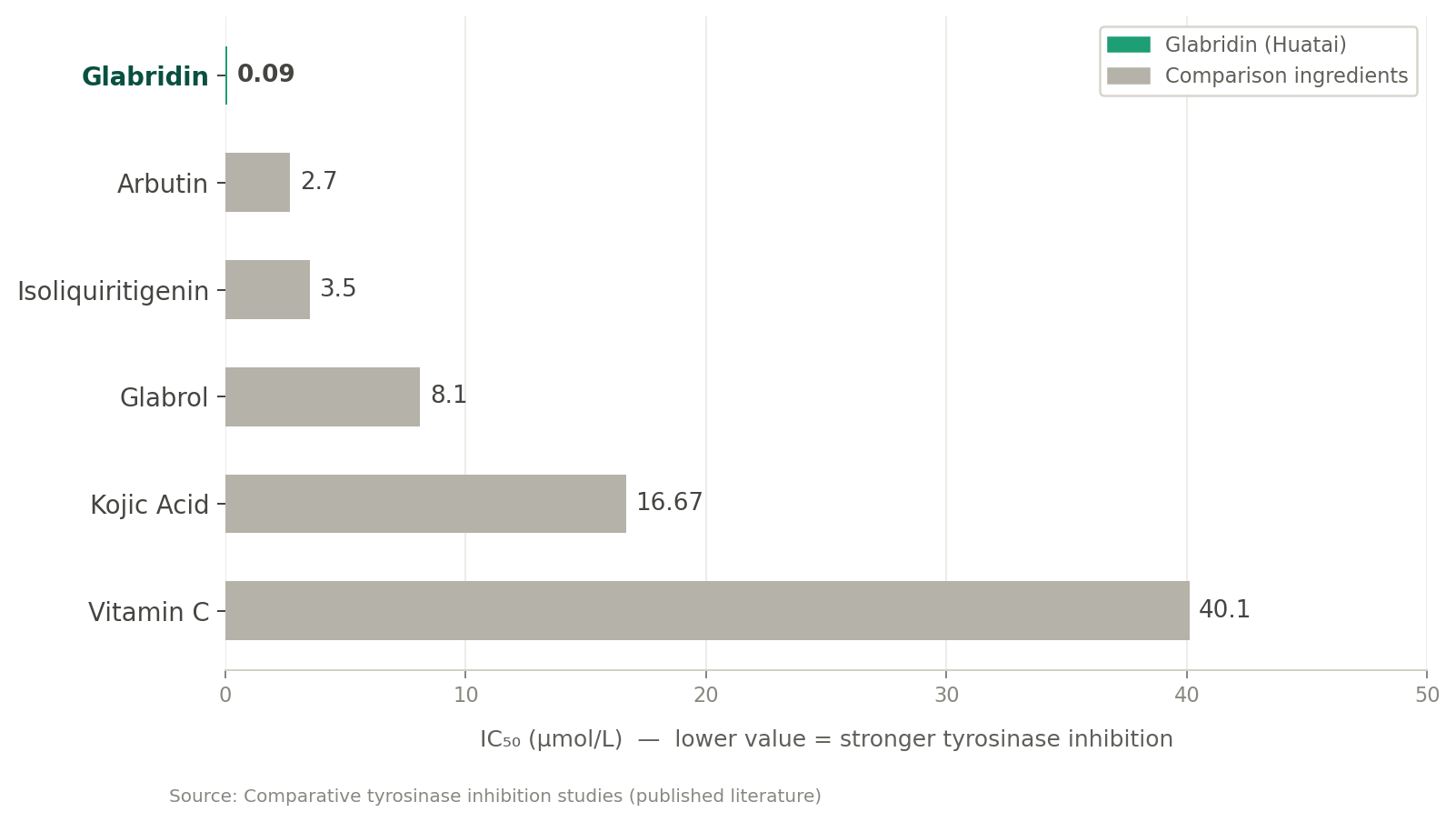
IC₅₀ comparison — lower value = stronger tyrosinase inhibition. Source: Comparative tyrosinase inhibition studies (published literature)
vs. Sym-white 377 (Phenylethyl Resorcinol)
| Inhibition Type | Glabridin IC₅₀ | Sym-white 377 IC₅₀ | Glabridin Advantage |
|---|---|---|---|
| Monophenolase inhibition | 0.0051 | 0.00582 | 1.1× stronger |
| Diphenolase inhibition | 0.0076 | 0.0575 | 7.6× stronger |
3D Reconstructed Skin Model
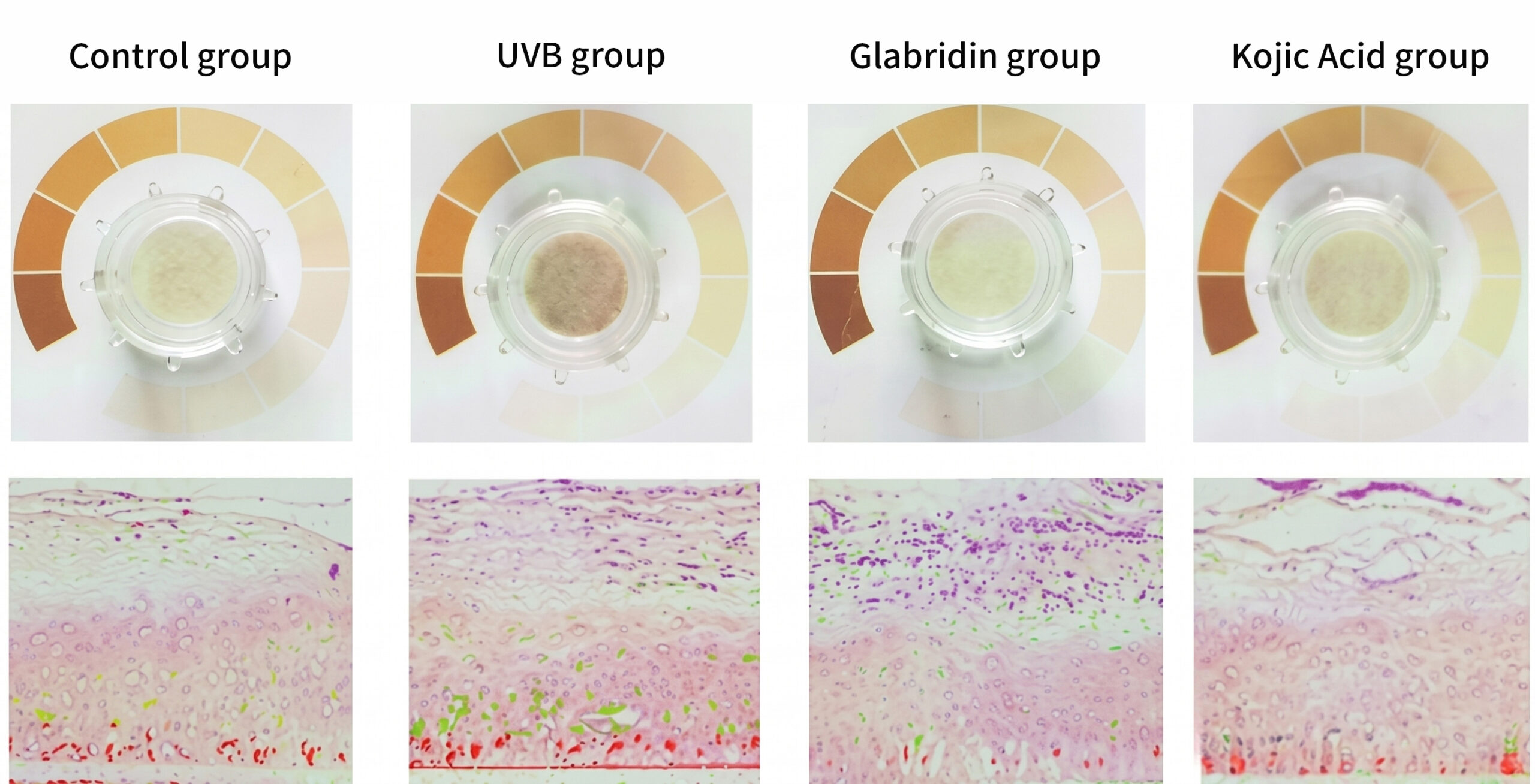
In a UVB-stimulated 3D reconstructed skin model, glabridin demonstrated the most significant melanin inhibition among all tested groups. Both total melanin content and melanin deposition in the skin layers were reduced more effectively by glabridin than by kojic acid at comparable concentrations.
3.2 Anti-Inflammatory Activity — COX Inhibition
Post-inflammatory hyperpigmentation (PIH) is triggered by the inflammatory cascade, not solely by direct UV exposure. Glabridin inhibits cyclooxygenase (COX) enzyme activity and suppresses prostaglandin E₂ (PGE₂) release, interrupting the inflammatory signal that triggers excess melanogenesis.
This makes glabridin particularly effective for:
- Post-acne PIH formulations
- Sensitive or reactive skin brightening
- Skin tones where PIH is the dominant pigmentation concern (Fitzpatrick III–VI)
- Formulations for compromised or barrier-disrupted skin
3.3 Antioxidant Activity — Lipid-Phase Radical Scavenging
The polyphenolic hydroxyl groups in glabridin's structure function as hydrogen donors, scavenging UV-generated reactive oxygen species (ROS). In a standardized DPPH free radical scavenging assay (T/SHRH 006-2018), Glabridin 98% demonstrated a scavenging rate of 25.45% compared to 0.65% in the blank control (P<0.05, P=0.000058).
Mechanism Summary
| Pathway | Mechanism | Formulation Benefit |
|---|---|---|
| Tyrosinase inhibition | Non-competitive allosteric binding | IC₅₀ = 0.09 μmol/L; effective under high melanogenic stimulation |
| COX inhibition | PGE₂ suppression | PIH prevention; sensitive skin compatibility |
| ROS scavenging | Lipid-phase H-donation | DPPH scavenging 25.45%; antioxidant support for formula and skin |
4. Efficacy Data
The following efficacy data was generated by accredited third-party testing institutions commissioned by Huatai. All studies used Huatai-supplied glabridin.
4.1 Skin Brightening & Whitening — Human Clinical Study (4 Weeks)
| Parameter | Detail |
|---|---|
| Testing Institute | Guangdong Weipu Testing Technology Co., Ltd. (CMA accredited, No. 202119135666) |
| Report No. | GZA01-23080632-JC-01 |
| Test Product | Skincare water containing 0.03% Glabridin |
| Subjects | 35 volunteers (8M / 27F, age 28–60, mean age 47.66 ± 9.55) |
| Method | UV-induced skin darkening model; 4-week continuous use |
| Metrics | ITA° (Individual Typology Angle); MI (Melanin Index) |
| Timepoint | Test ITA° | Control ITA° | Test MI | Control MI |
|---|---|---|---|---|
| Baseline | 25.73 | 24.31 | 183.10 | 186.61 |
| Week 1 | 26.10 | 24.21 | 177.90 | 189.94 |
| Week 2 | 27.14 | 24.78 | 165.05 | 186.70 |
| Week 3 | 28.40 | 25.51 | 157.46 | 182.85 |
| Week 4 | 29.34 | 25.84 | 152.35 | 175.98 |
This study supports brightening/whitening claims at 0.03% active concentration in a leave-on aqueous vehicle. Higher concentrations (0.1–0.5%) used in typical formulations are expected to provide proportionally stronger effect.
4.2 Skin Safety — Human Patch Test
Result: 30/30 subjects negative (Grade 0) at all observation timepoints. Zero adverse skin reactions. Closed patch test; observations at 0.5h / 24h / 48h post-removal.
4.3 Anti-Wrinkle — DPPH Free Radical Scavenging
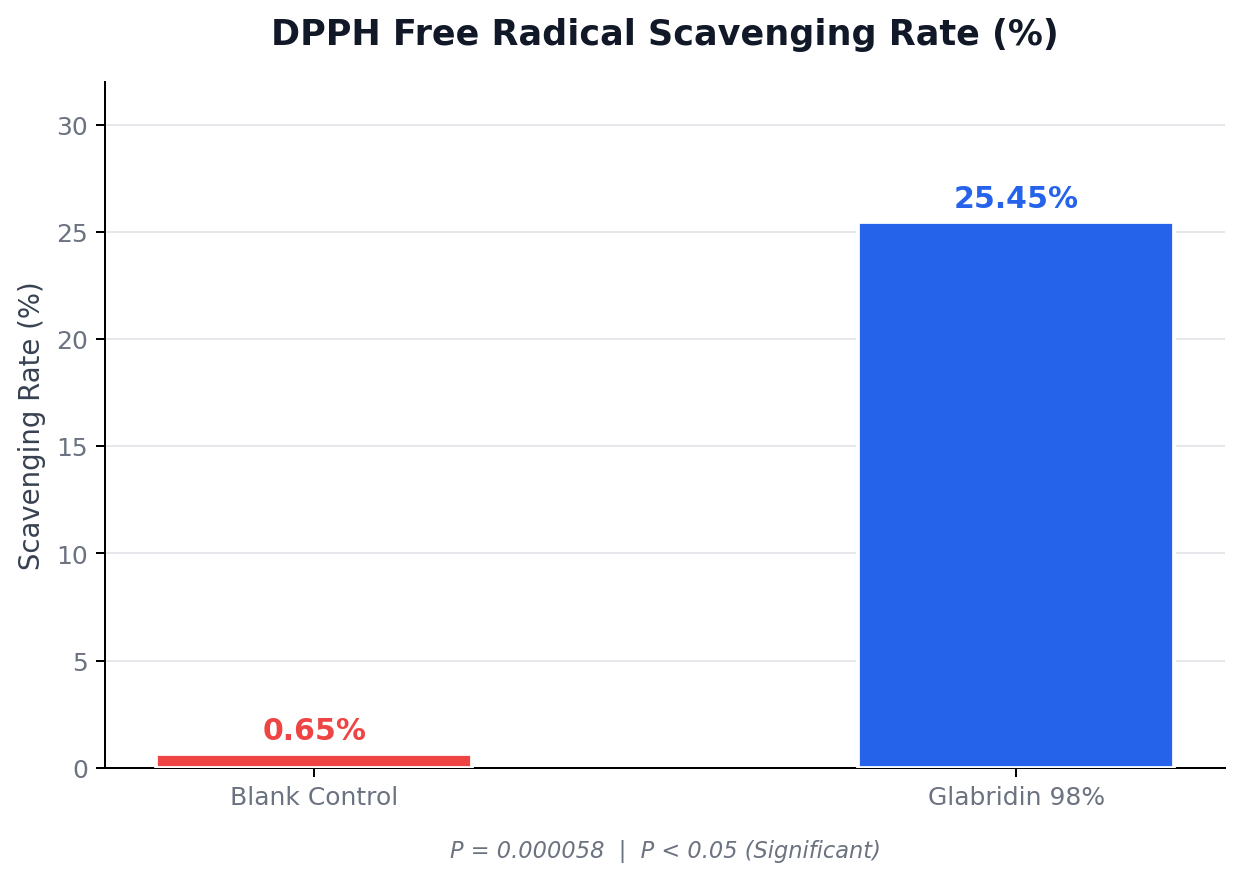
DPPH Free Radical Scavenging Rate (%) — Glabridin 98% vs Blank Control. P = 0.000058 | P < 0.05 (Significant)
4.4 Skin Firming — Elastase Inhibition
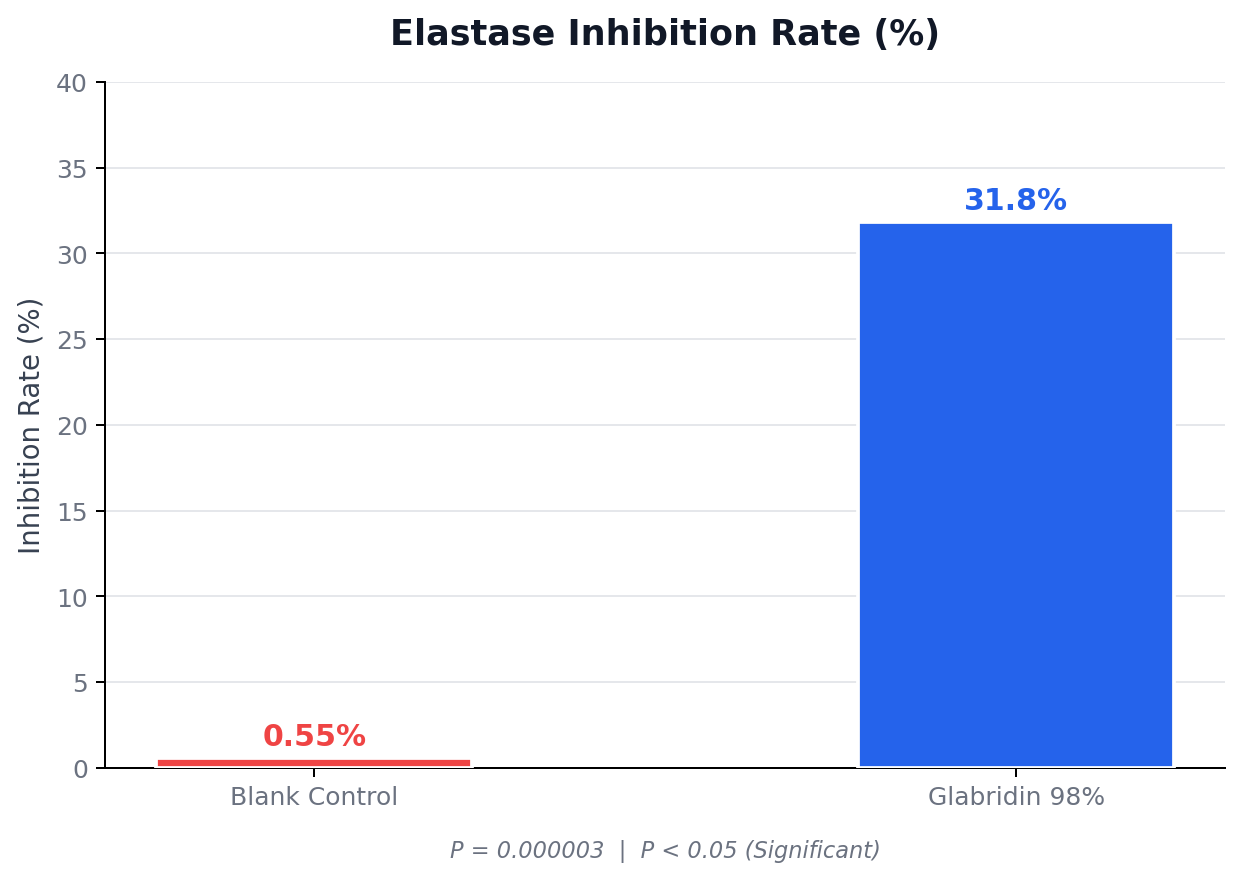
Elastase Inhibition Rate (%) — Glabridin 98% vs Blank Control. P = 0.000003 | P < 0.05 (Significant)
Elastase degrades elastin fibers under environmental stress (UV, pollution). A 31.80% inhibition rate supports skin firming and anti-sagging claims for glabridin-containing formulations.
4.5 Moisturizing — Physical Gravimetric Method (72 Hours)
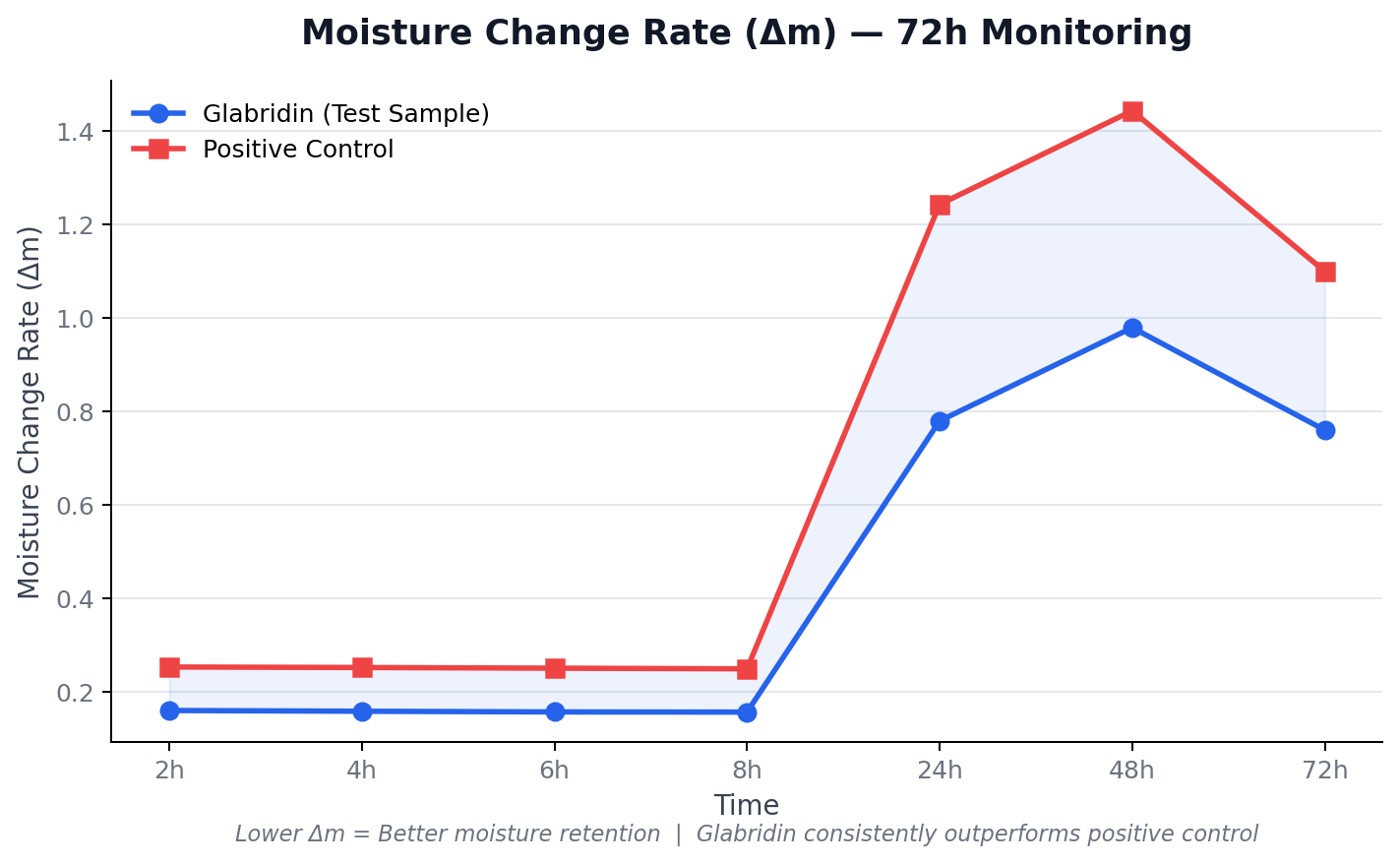
Glabridin (Test Sample) vs Positive Control — 72h
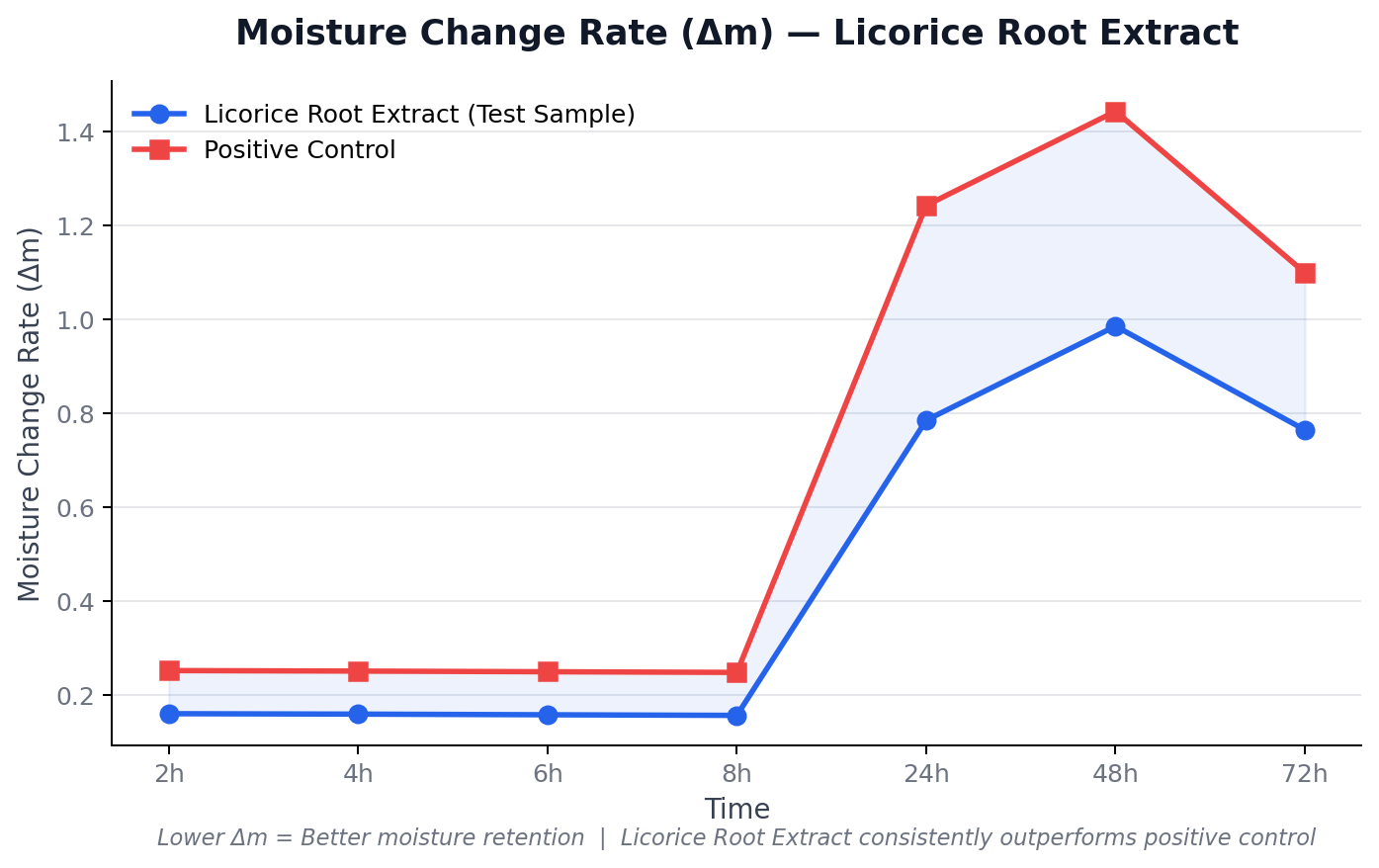
Licorice Root Extract (Test Sample) vs Positive Control — 72h
Lower Δm = better moisture retention. Both glabridin and licorice root extract consistently outperformed the positive reference standard over 72 hours in independent tests.
Efficacy Summary
| Efficacy Claim | Method | Key Data | Significance |
|---|---|---|---|
| Brightening / whitening | Human clinical (35 subjects, 4 weeks) | MI −16.8% from Week 1 | P<0.05 |
| Skin brightness | Human clinical (35 subjects, 4 weeks) | (ITA°)Significant from Week 2 | P<0.05 |
| Skin safety | Human patch test (30 subjects) | 0/30 adverse reactions | — |
| Anti-wrinkle | DPPH in vitro | 25.45% scavenging rate | P<0.05 |
| Skin firming | Elastase inhibition in vitro | 31.80% inhibition | P<0.05 |
| Moisturizing | Gravimetric in vitro, 72h | Superior to positive control throughout | — |
5. Formulation Engineering
5.1 Solubility by Grade
Glabridin's solubility profile varies by grade — this is not a single-solubility ingredient. Selecting the correct grade at the formulation brief stage prevents the most common incorporation failures.
| Grade | Physical Form | Solubility | Key Notes |
|---|---|---|---|
| 1%–5% Liquid (Alcohol-Sol.) | Colorless to reddish-brown liquid | Alcohol-soluble | Propylene glycol (PG) carrier. For hydroalcoholic systems, mists, toners. |
| 1%–5% Liquid (Water-Sol.) | Colorless to reddish-brown liquid | Water-soluble | Contains approved preservatives — account for in overall preservative system. |
| 10% Powder | White powder | Water-soluble | HP-β-CD inclusion complexation. Active content HPLC-verified at ≥10% post-processing, confirming retention of glabridin activity through the encapsulation process. Direct aqueous dispersion. |
| 40% White Powder | White powder | Alcohol-soluble | Additional purification step. Use when formula color is critical. |
| 40% Reddish-Brown Powder | Reddish-brown powder | Alcohol-soluble | Cost-effective. Brown color is inherent — not a quality issue. |
| 90% Oil-Soluble Powder ★ | White powder | Oil-soluble | Patented 50 μm spherical particle technology. Use level: 0.2%. |
| 90% Alcohol-Soluble Powder | White powder | Alcohol-soluble | High-purity for hydroalcoholic and premium serum systems. |
| 98% Powder | White powder | Alcohol-soluble | Clinical and luxury applications. |
| 99% Powder | White powder | Alcohol-soluble | Ultra-premium; analytical reference standard. |
5.2 Water-Soluble Grade — HP-β-CD Encapsulation Technology
Huatai's 10% water-soluble grade uses hydroxypropyl β-cyclodextrin (HP-β-CD) inclusion complex technology to enable aqueous dispersion of glabridin's inherently lipophilic structure.
| Parameter | Value |
|---|---|
| Encapsulation efficiency | 99% |
| Stable output concentration | 10% active |
| Maximum loading capacity | 15–18% |
| Active content verification | HPLC-verified ≥10% post-processing, confirming retention of glabridin activity through the encapsulation process |
| Photostability (HP-β-CD inclusion complex) | ~10% mass loss over 4 days of light exposure |
| Bioavailability | Enhanced via HP-β-CD's hydrophilic exterior / lipophilic interior; sustained-release profile |
5.3 Oil-Soluble Grade — Patented Particle Technology
Standard glabridin powder consists of 100–500 μm irregular particles with poor oil-phase dispersibility — even in vegetable oils, standard glabridin forms visible precipitate within days.
Huatai's 90% oil-soluble grade is produced via a patented process that restructures glabridin into uniform 50 μm spherical particles, dramatically improving oil-phase stability and homogeneity.
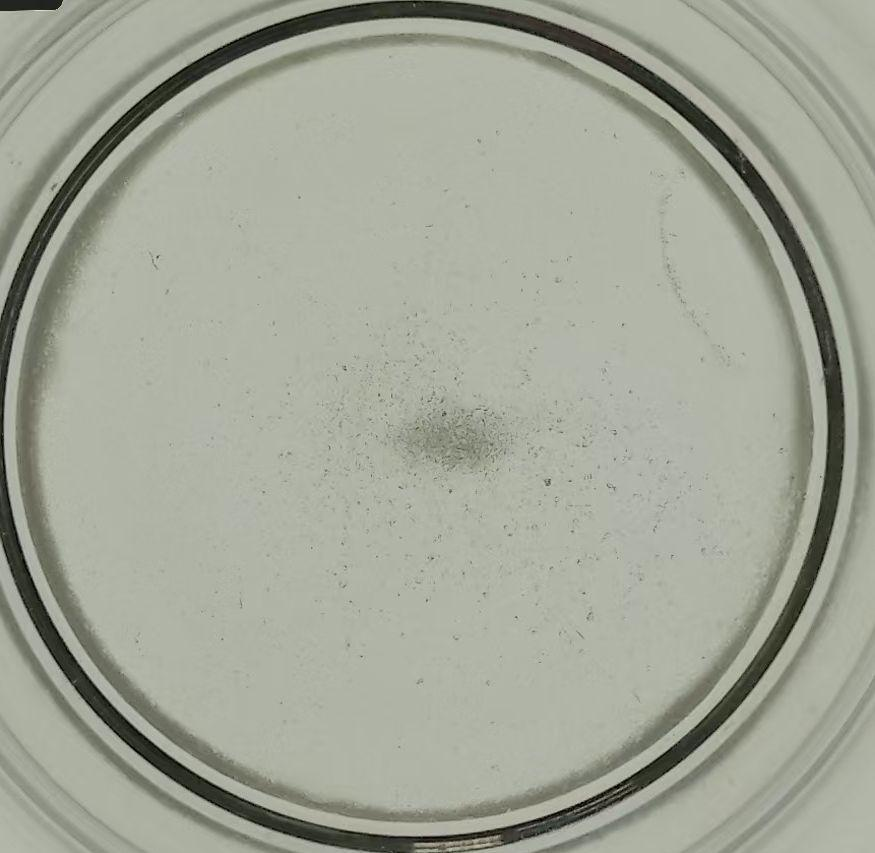
Standard glabridin in camellia oil — visible precipitation
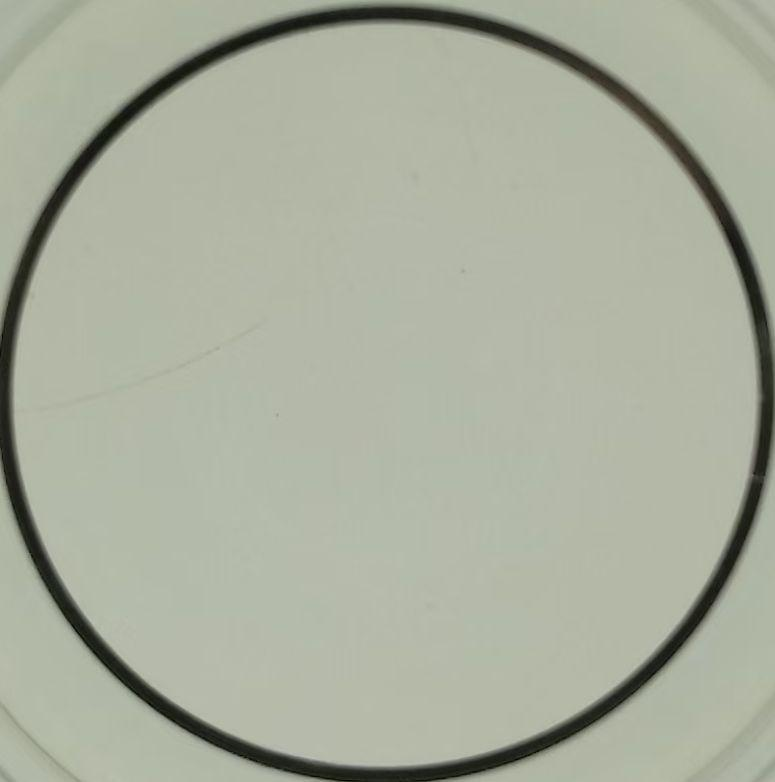
Huatai 90% oil-soluble grade in camellia oil — no precipitation
| Test | Standard Glabridin | Huatai 90% Oil-Soluble |
|---|---|---|
| Solubility in camellia oil | Low; precipitate forms | ~2.5 g / 1,000 g oil |
| Stability across 5 oil types | Visible precipitate in all 5 | No precipitate in any |
| Room temperature stability test | Continuous sedimentation | No sedimentation throughout |
5.4 Incorporation Method by System
Oil-phase systems (90% oil-soluble grade)
- Add directly to the oil phase at 40–50°C; stir until homogeneous.
- Use level: 0.2% (fixed recommended level for this grade).
- In O/W emulsions: incorporate into the internal oil phase; add during cool-down (below 50°C).
- Verify final pH after all actives are incorporated.
Aqueous systems (10% water-soluble powder or 1–5% water-soluble liquid)
- Add directly to the water phase or during cool-down.
- The 10% powder disperses cleanly without additional solubilizers.
- For the 1–5% water-soluble liquid: account for the included preservative in your overall system.
Alcohol-soluble grades (40%, 90% alcohol, 98%, 99%)
- Pre-dissolve in propylene glycol, butylene glycol, or ethanol (≥15%) at room temperature to 40°C.
- Stir continuously until completely dissolved and the solution is clear.
- Add to the main batch during cool-down; do not add above 60°C.
· Never add powder directly to the main batch above 60°C
· Always verify pH after all actives are incorporated — not before
· Always include a chelating agent (see Section 6)
5.5 pH Guidelines
| pH Range | Stability | Recommendation |
|---|---|---|
| 4.0 – 5.5 | Optimal | Target range for most leave-on formulations |
| 5.5 – 6.5 | Good | Acceptable; monitor over shelf-life |
| 6.5 – 7.0 | Marginal | Increased degradation risk; reinforce antioxidant system |
| > 7.0 | Poor | Avoid — rapid alkaline decomposition |
5.6 Temperature Limits
| Processing Stage | Temperature Limit | Rationale |
|---|---|---|
| Pre-dissolution | 40–50°C | Sufficient for solubilization; no thermal stress |
| Main batch incorporation | Below 50°C | Cool-down addition only |
| Maximum brief exposure | 60°C | Glabridin stable between 4–60°C; degradation begins above 60°C (Chen et al., 2010) |
| Above 60°C | Avoid | Irreversible assay loss begins |
| Finished product storage | 15–25°C | Away from light and humidity |
6. Stability Management
6.1 Degradation Mechanisms and Quantified Risk
Glabridin undergoes degradation via three independent pathways. Published stability data (Chen et al., Natural Product Communications, 2010) provides quantified degradation rates under defined conditions.
Oxidative degradation
Trace metal ions — particularly Fe²⁺ and Cu²⁺ — catalyze oxidative chain reactions in the polyphenol structure, generating chromophoric by-products that progressively discolor the formula. Even ppb-level contamination from processing equipment, municipal water, or certain natural co-ingredients is sufficient to initiate this cascade.
Photodegradation
| Light Condition | Exposure Duration | Degradation |
|---|---|---|
| Dark storage | 24h | No significant change |
| Natural light | 8 hours | 20.39% degradation |
| UV light | 8 hours | 27.35% degradation |
Humidity sensitivity
At RH 75% and RH 90%, glabridin content is measurably lower than under dry storage conditions. Sealed packaging is not optional — it is the primary defense against humidity-driven degradation.
6.2 Stabilization Protocol
Antioxidant protection (strongly recommended)
| Antioxidant | Use Level | Notes |
|---|---|---|
| Tocopherol (Vitamin E) | 0.2% – 0.5% | Primary lipid-phase antioxidant; mixed tocopherols preferred |
| BHT | 0.02% – 0.1% | Highly effective in accelerated testing. Note: BHT carries significant controversy in premium, sensitive-skin, and clean beauty positioning — often excluded by brands. Endocrine disruption concerns are widely cited. Prefer mixed tocopherols for clean-label formulations. |
| Rosemary extract | 0.05% – 0.2% | Natural alternative; COSMOS-compatible. Select high-purity decolorized/deodorized grade to avoid introducing chromophoric plant pigments that can accelerate formula yellowing. |
| Ascorbyl palmitate | 0.01% – 0.05% | Oil-soluble Vitamin C derivative; synergizes with tocopherol. Use at low levels — higher concentrations can cause localized pH drop that destabilizes glabridin. Monitor system pH after addition. |
Metal chelation (strongly recommended)
| Chelator | Use Level | Notes |
|---|---|---|
| Disodium EDTA | 0.05% – 0.1% | Standard; highly effective |
| Sodium Phytate | 0.05% – 0.1% | Natural / clean-label alternative; skin-beneficial. Add to water phase early in the process (before emulsification) or adjust pH after addition — commercial sodium phytate solutions are highly alkaline (pH >11) and can cause localized pH spikes that destabilize glabridin. |
| Sodium Gluconate | 0.1% – 0.3% | Mild; for minimal-additive formulations |
Encapsulation (water-based systems)
Huatai's 10% water-soluble grade provides HP-β-CD encapsulation at the ingredient level. For third-party water-based systems using oil-grade glabridin, liposomal delivery has demonstrated 3–5× improvement in oxidative stability vs. unencapsulated oil dispersions.
Packaging (for finished product formulators)
- Airless pump: eliminates repeated headspace oxygen exposure — recommended for all serums and emulsions
- Opaque or UV-blocking container: prevents UV photodegradation (27.35% loss per 8h UV) — critical for transparent oils and light-colored emulsions
- Nitrogen blanketing during filling: reduces dissolved oxygen at manufacture — most relevant for premium formulations with stability claims
6.3 Stability Testing Protocol
| Condition | Parameters | Duration | Regulatory Basis |
|---|---|---|---|
| Accelerated | 40°C / 75% RH | 12 weeks | ICH Q1A(R2) |
| Freeze-thaw | −10°C ↔ 25°C, 24h cycles | 5 cycles | Commonly accepted cosmetic industry practice |
| Photostability | D65 + UV per ICH Q1B | 6 weeks | ICH Q1B |
| Real-time | 25°C / 60% RH | 24 months | ICH Q1A(R2) |
Accelerated stability testing at 40°C/75%RH was conducted in accordance with ICH Q1A(R2). Photostability studies followed ICH Q1B principles. Freeze–thaw testing followed commonly accepted cosmetic industry practices. Accelerated data were used to support long-term stability projections, although real-time stability studies remain the definitive basis for shelf-life assignment.
Assessment parameters at each timepoint: pH · Color (CIE L*a*b*, tracking Δb* for yellowing) · Glabridin assay by HPLC · Viscosity · Organoleptic (odor, color, phase separation)
6.4 Formulation Red Flags
Adding glabridin powder to the main batch above 60°C. Result: Irreversible active loss before emulsification is complete.
Eliminating EDTA without a natural chelator replacement. Result: Trace metal catalysis → edge browning within 2–4 weeks at 40°C.
Measuring pH of base before actives, filling without re-checking. Result: Glabridin addition can shift a pH 6.0 base to 7.2+, triggering rapid alkaline degradation.
7. Synergy: Ingredient Combinations
Glabridin's multi-pathway mechanism makes it an anchor ingredient in multi-active brightening systems.
| Partner Ingredient | Mechanism | Synergy Logic | Recommended Format |
|---|---|---|---|
| Tranexamic Acid (TXA) | Keratinocyte–melanocyte signaling inhibition | TXA blocks the inflammatory signal triggering melanogenesis; glabridin inhibits tyrosinase enzymatically. Two independent intercept points. | Sensitive brightening serum, PIH repair |
| Niacinamide | Melanosome transfer inhibition | Glabridin suppresses melanin production; niacinamide blocks transfer of formed melanosomes to keratinocytes. Upstream inhibition + downstream blockade. | All-in-one brightening moisturizer |
| Ectoin | Cell membrane stabilization, stress protection | Ectoin suppresses environmentally-induced melanogenesis triggers; glabridin handles enzymatic inhibition. Particularly effective for sensitive, damaged, or environmentally-stressed skin. | Sensitive skin care, post-procedure recovery |
| Dipotassium Glycyrrhizate (DKG) | Aqueous-phase soothing, pH support | DKG addresses surface inflammation in the water phase; glabridin operates in the oil phase. Both licorice-derived — complementary science story and positioning. | Reactive skin, redness-prone, post-sun |
| Totarol | Antimicrobial, sebum peroxidation control | Totarol eliminates the bacterial trigger of acne inflammation; glabridin addresses the PIH left after breakouts. Sequential mechanism — prevention then repair. | Acne + PIH combination treatment |
| Stable Vitamin C Derivatives (AA-2G, MAP) | Melanin reduction — dopaquinone reversal | Vitamin C derivatives reduce already-formed dark melanin intermediates; glabridin prevents new production. Do not use raw L-ascorbic acid — pH conflict (requires pH 2.5–3.5). | Premium brightening serum |
8. Applications by Product Type
Brightening Serums
Primary application format. High active loading possible in bi-phase, water-in-silicone, or emulsion-based serums. Use 10% water-soluble grade for the aqueous phase; 90% oil-soluble for oil-phase systems. Pair with TXA + niacinamide for full-pathway coverage. Human clinical data supports brightening claims at 0.03% active. Specify airless pump packaging.
Face Oils and Oil Serums
Most stable environment for glabridin. Use 90% oil-soluble grade (patented 50 μm spherical particles) at 0.2%. Zero sedimentation across testing in 5 oil types. Combine with bakuchiol, rosehip, or sea buckthorn for multi-benefit premium positioning. Antioxidant package (tocopherol + rosemary) remains mandatory.
Lip Oils and Lip Care
Near-anhydrous format simplifies stability management considerably. Use 90% oil-soluble grade at 0.1–0.2%. Confirm regional regulatory compliance for incidental ingestion before commercializing.
Emulsions: Moisturizers and Creams
Most common commercial format. 90% oil-soluble in O/W oil phase; 10% or 1–5% water-soluble in W/O water phase. Maintain pH 4.5–6.0. Buffer the aqueous phase. Airless or UV-protective packaging strongly recommended.
Toners and Essences
Use 10% water-soluble powder or 1–5% water-soluble liquid grades. Effective at 0.05–0.15% active for daily brightening maintenance.
Eye Creams
0.1–0.2% active. Particularly effective for dark circles with PIH or inflammatory origin. Combine with caffeine and dipeptide-2 for comprehensive periorbital treatment.
Acne and PIH Repair
Combine with Totarol (antimicrobial) in a light-texture, non-comedogenic ester base. 40% white powder or 90% oil-soluble at 0.1–0.3%.
9. Manufacturing & Quality Assurance
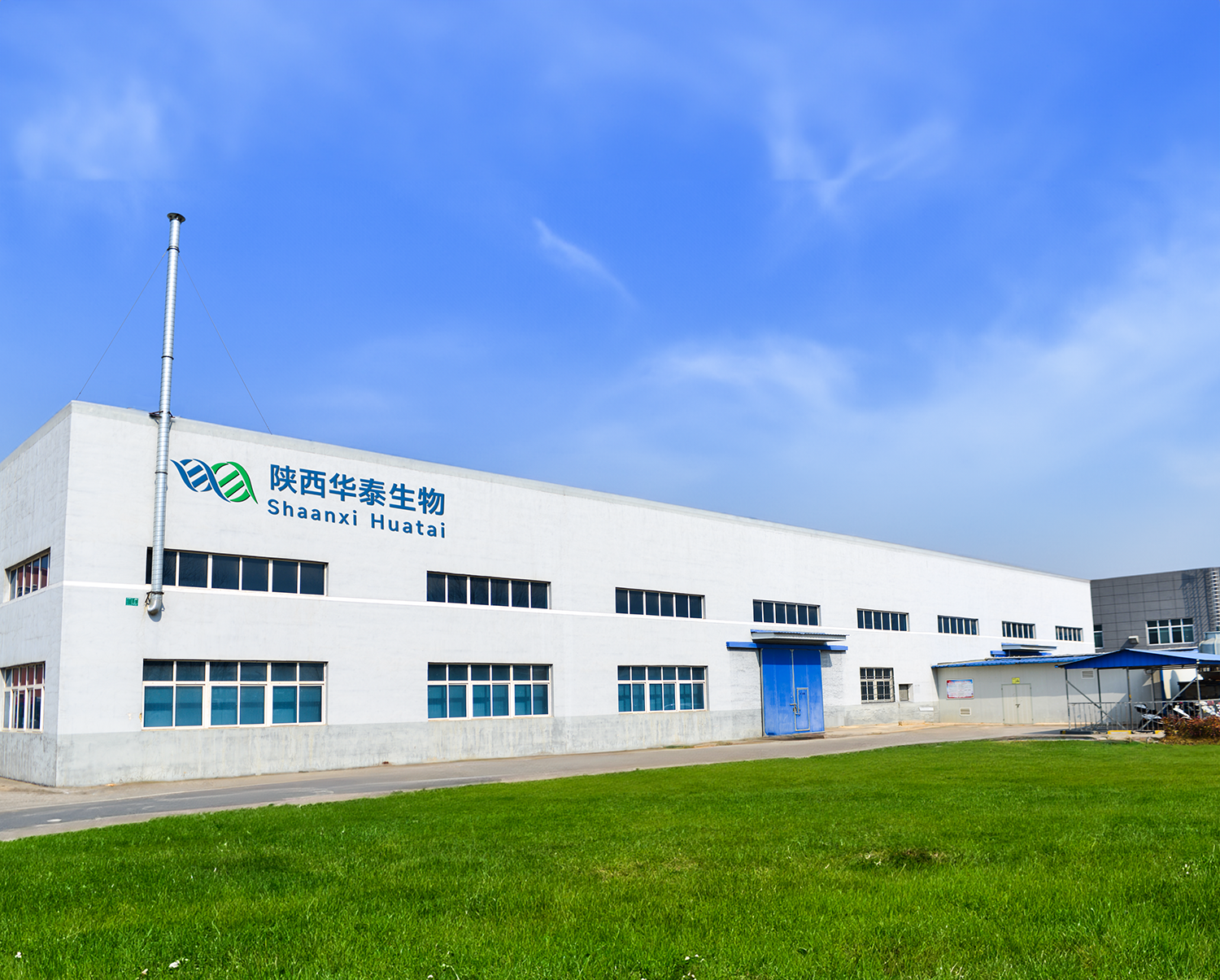
Huatai manufacturing facility — Yangling, Shaanxi, China
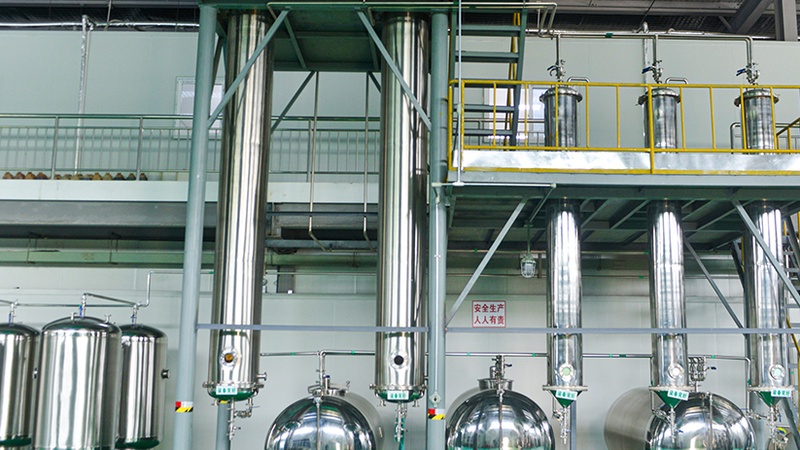
Extraction & purification equipment
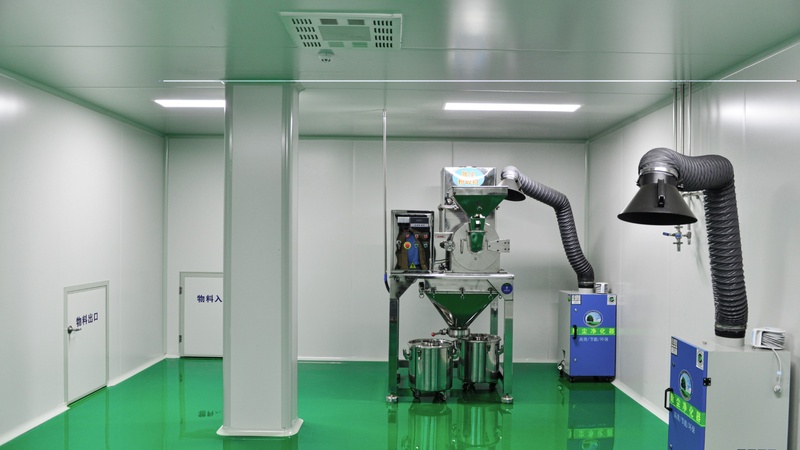
Clean room — powder processing
9.1 Certifications
9.2 Third-Party Testing — Independent Verification
| Test | Institution | Accreditation | Result |
|---|---|---|---|
| Purity (HPLC) | Intertek Testing Services Ltd., Shanghai | International — leading global QA organization | 99.3% Glabridin |
| Heavy metals — 40% grade | CAS Testing (Chinese Academy of Sciences affiliate) | CMA certified (No. 201819000873) | Hg, Pb, As, Cd — all below detection limits |
| Heavy metals — 90% grade | CAS Testing | CMA certified | All below detection limits |
| Pesticide residues | Bureau Veritas (Xinuo, Shandong) | CMA certified; international | HCH, DDT and 4 others — not detected |
9.3 Full-Spectrum Compound Identification
Huatai has conducted full-spectrum identity characterization of the 90% glabridin grade using a multi-step analytical protocol:
- Retrieved natural compounds from Glycyrrhiza via the COCONUT natural product database
- Built MSMS spectral library using the CFM-ID AI model
- LC-MS analysis for full-spectrum compound scanning
- 10 compounds identified in the 90% grade via LC-MS MS2 spectra
- Final structural confirmation by NMR (¹H NMR / COSY / HSQC / ¹³C NMR)
9.4 R&D Team
- Prof. Gao Jinming (Level-2 Professor) — Former Dean, College of Chemistry & Pharmacy, Northwest A&F University; Director, Shaanxi Key Laboratory of Natural Product Chemical Biology; State Council Special Expert Allowance recipient
- Dr. Zhang Weiyuan — Ph.D. Chemistry, University of Notre Dame (USA); former postdoctoral researcher at GlaxoSmithKline (GSK); specialist in medicinal chemistry and pharmaceutical R&D
- Additional Ph.D. researchers from Northwest A&F University, Nanjing University, and East China Normal University
9.5 Proprietary Patents
| Patent Name | Type | Patent No. | Grant Date |
|---|---|---|---|
| Melt Crystallizer for Glabridin Production | Utility Model | ZL 2025 2 0076284.6 | 2025.12.23 |
| Chromatography Concentration Vessel for Glabridin Production | Utility Model | ZL 2025 2 0262487.4 | 2025.12.19 |
| Supercritical CO₂ Extraction Equipment | Utility Model | ZL 2025 2 0138144.7 | 2025.12.30 |
| Column Chromatography Equipment | Utility Model | ZL 2025 2 0076287.X | 2025.12.23 |
| Intelligent Extraction Tracking & Recognition Method | Invention Patent | ZL 2025 1 1706529.X | 2026.02.27 |
9.6 Batch Documentation
Standard with every batch: COA with HPLC purity data · Technical Data Sheet (TDS) · Safety Data Sheet (SDS)
Available on request: Third-party test reports (heavy metals ICP-MS, microbiology, pesticide residues) · COSMOS certificate copy · Custom specification sheets
10. Huatai Product Grade Matrix
| Grade | Physical Form | Solubility | Use Level | Shelf Life | Best For |
|---|---|---|---|---|---|
| 1%–5% Liquid (Alcohol, Colorless) | Colorless–pale yellow liquid | Alcohol | 1.0%–5.0% | 12 months | Toners, mists, PG-based systems |
| 1%–5% Liquid (Alcohol, Brown) | Reddish-brown liquid | Alcohol | 1.0%–5.0% | 12 months | Systems where color is not critical |
| 1%–5% Liquid (Water, Colorless) | Colorless–pale yellow liquid | Water | 1.0%–5.0% | 12 months | Aqueous formats, essences |
| 1%–5% Liquid (Water, Brown) | Reddish-brown liquid | Water | 1.0%–5.0% | 12 months | Aqueous; darker base acceptable |
| 10% Powder | White powder | Water (HP-β-CD) | Adjust per system | 24 months | Water-based serums, essences, gels |
| 40% White Powder | White powder | Alcohol | 0.1%–1.0% | 24 months | Emulsions where base color is critical |
| 40% Reddish-Brown Powder | Reddish-brown powder | Alcohol | 0.1%–1.0% | 24 months | Cost-efficient; darker base acceptable |
| 90% Oil-Soluble ★ | White powder | Oil | 0.2% | 24 months | Face oils, lip oils, anhydrous, O/W oil phase |
| 90% Alcohol-Soluble | White powder | Alcohol | 0.01%–0.5% | 24 months | Hydroalcoholic serums, premium emulsions |
| 98% Powder | White powder | Alcohol | 0.01%–0.5% | 24 months | Clinical, luxury, high-assay applications |
| 99% Powder | White powder | Alcohol | 0.01%–0.5% | 24 months | Ultra-premium, analytical reference |
| Custom | — | Any | Any | — | Non-standard concentrations on request |
Storage for all grades: Sealed container · Away from light · Ventilated · Dry environment | Testing method: HPLC (all grades)
Grade Selection Guide
- Water-based system (toner, essence, gel) → 10% water-soluble powder or 1–5% water-soluble liquid
- Hydroalcoholic system → 1–5% alcohol-soluble liquid, or 40%/90%/98% alcohol-soluble powder
- Oil-phase / anhydrous / lip / face oil → 90% oil-soluble only
- O/W emulsion → 90% oil-soluble in oil phase; or 40% white in cool-down alcohol phase
- Formula color critical → avoid reddish-brown grades; specify white 40%, 90%, 98%, or 99%
- Cost-sensitive mass-market → 40% reddish-brown (where base color allows)
- Clinical / luxury / efficacy-claim → 98% or 99%
- Non-standard concentration needed → Custom grade
11. FAQ
12. References
- Saitoh T, Kinoshita T & Shibata S. (1976). New isoflavan and flavanone from licorice root. Chemical and Pharmaceutical Bulletin, 24(4), 752–754.
- Yokota T et al. (1998). Inhibitory effects of glabridin from licorice extract on melanogenesis and inflammation. Pigment Cell Research, 11(6), 355–361.
- Nerya O et al. (2004). Chalcones as potent tyrosinase inhibitors. Phytochemistry, 65(10), 1389–1395.
- Kim YJ & Uyama H. (2005). Tyrosinase inhibitors from natural and synthetic sources. Cellular and Molecular Life Sciences, 62(15), 1707–1723.
- Parvez S et al. (2007). Naturally occurring tyrosinase inhibitors. Phytotherapy Research, 21(9), 805–816.
- Guangdong Weipu Testing Technology Co., Ltd. (CMA accredited). Report No. GZA01-23080632-JC-01. Human skin brightening efficacy and safety study.
- Guangdong Youjie Testing Technology Co., Ltd. Report Nos. YJ-R-GX202503-0099 / YJ-R-GX202503-0098 / YJ-GX202312-0827. DPPH, elastase inhibition, and moisturizing efficacy studies.
- Intertek Testing Services Ltd., Shanghai. Report No. SHAH01681145. HPLC purity verification: Glabridin 99.3%.
- CAS Testing Technology Services (Guangzhou) Co., Ltd. (CMA accredited, No. 201819000873). Heavy metal testing.
- Bureau Veritas (Xinuo, Shandong) Testing Technology Co., Ltd. Pesticide residue testing.
- Chen X et al. (2010). Stability factors affecting glabridin content. Natural Product Communications, 5(12). PMID: 21299118.
- ICH Q1A(R2): Stability Testing of New Drug Substances and Products. 2003.
- ICH Q1B: Photostability Testing of New Drug Substances and Products. 1996.
About This Guide
Written and maintained by the technical team at Huatai Bio-Fine Chemical, Xi'an, Shaanxi, China. Huatai has specialized in licorice-derived cosmetic actives since 2008.
Product range: Glabridin (multiple grades) · Dipotassium Glycyrrhizate (DKG) · Licochalcone A · Totarol (exclusive distributor, Mainland China) · Tranexamic Acid (TXA) · and complementary actives.
Contact: glabridinchina.com · +86 17868678161 · [email protected]
Published by Huatai Bio-Fine Chemical · glabridinchina.com · +86 17868678161 · [email protected]
Published 2026. For professional cosmetic formulators and R&D audiences. Does not constitute regulatory or medical advice.

 English
 German
 Italian
 French
 Spanish
 Japanese
 Korean
 Russian