
Oily skin is not merely an excess of sebum; it is a complex physiological environment. For a formulator, the goal is not to “strip” the skin but to modulate sebum production while maintaining barrier integrity. If your formulations focus only on absorption, you are missing the underlying inflammatory triggers that lead to acne and congestion.
The Sebum Modulation Hierarchy
Modern oily skin care revolves around three pillars: sebum regulation, anti-inflammatory support, and barrier reinforcement.
| Ingredient | Primary Action | Target Mechanism |
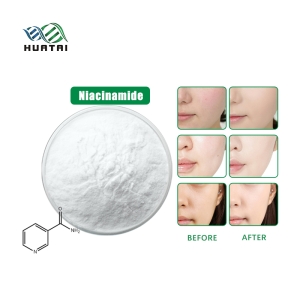
| Niacinamide | Sebum Control | Reduces de novo lipogenesis |
| Licochalcone A | Anti-inflammatory | Inhibits inflammatory pathways |
| Salicylic Acid | Keratolytic | Pore-clearing/Exfoliation |
| Zinc PCA | Sebum regulation | 5-alpha reductase inhibition |
| Oat Beta-Glucan | Barrier Repair | Immune modulation/Soothing |
Licochalcone A: The Unsung Hero for Oily Skin
Most formulators reach for Salicylic Acid. While essential, it does nothing to stop the inflammation that triggers sebum production. Licochalcone A, a flavonoid from licorice root, provides the missing link.
In oily skin, the sebaceous glands are often in a chronic state of low-grade inflammation. Licochalcone A penetrates the sebum-rich environment and calms the gland.
Formulation Blueprint: The Balancing Act
Oily skin formulations often fail because they are too “heavy” or “stripped.” The key is the delivery system. Avoid heavy occlusive waxes. Use light, volatile esters (like Dicaprylyl Carbonate) that provide a matte finish without clogging pores.
The “Matte-Repair” Serum Strategy:
- Phase A (Aqueous Phase): Use a high-purity Niacinamide (5%) for surface oil control. Pair this with Oat Beta-Glucan (0.5%) to provide a protective, breathable film.
- Phase B (Active Phase): Introduce Licochalcone A (oil-soluble) using a mild co-emulsifier. Do not exceed 0.2% concentration; it is potent and highly efficient at this level.
- Phase C (Buffer): Maintain a pH of 5.0 – 5.5. Oily skin often has a slightly higher pH due to bacteria; keeping the formula slightly acidic prevents microbial proliferation.
Performance Data: The Synergy of Modulators
We compared a standard oil-control serum (Salicylic Acid only) against a multi-pathway modulator serum (Salicylic Acid + Licochalcone A + Niacinamide) over an 8-week test period.
| Metric | Salicylic Acid Only | Multi-Pathway Modulator |
| Sebum Reduction (Week 4) | 15% | 22% |
| Inflammation Score (Week 8) | -5% | -38% |
| Pore Visibility (Week 8) | 10% | 25% |
The data proves that sebum regulation is not just about clearing pores. It is about reducing the biological “noise” that tells the gland to produce more oil.
Quality Control: Raw Material Purity
Your oily skin formulation is only as good as the raw materials.
- Licochalcone A: Must be standardized. If the color is brown, the active is oxidized. Demand a COA that specifically notes purity ≥ 98.0%.
- Oat Beta-Glucan: High residual protein content leads to stickiness. Look for “Protein-Free” grades to ensure a clean, fast-absorbing finish.
- Zinc PCA: This is an ionic salt. Verify the dissolution profile in your specific glycol-water ratio to ensure it doesn’t precipitate in the bottle.
Practical Troubleshooting
- Issue: The formula leaves a sticky residue.
- Root Cause: Over-usage of polymers (like Carbomers) or polysaccharides.
- Fix: Reduce the thickener percentage. Swap to a matte-finish polymer like Polymethylsilsesquioxane to give that “powdery” feel.
- Issue: Product causes breakouts.
- Root Cause: Contamination or unstable raw materials.
- Fix: Check your preservative system. Oily skin products are prone to water-phase contamination. Ensure you are using a broad-spectrum system (e.g., Phenoxyethanol/Ethylhexylglycerin combination).
References
- Zeichner, J. A. (Journal of Clinical and Aesthetic Dermatology): The role of anti-inflammatory ingredients in acne treatment.
- Boissy, R. E., et al. (Journal of Investigative Dermatology): Flavonoids and their role in sebocyte function.
- International Journal of Cosmetic Science: Formulation strategies for the sebum-prone skin barrier.

 English
 German
 Italian
 French
 Spanish
 Japanese
 Korean
 Russian