
Quali sono i migliori ingredienti per la cura della pelle grassa nelle moderne formulazioni cosmetiche?
La pelle grassa non è semplicemente un eccesso di sebo; è un complesso ambiente fisiologico. Per un formulatore, l'obiettivo non è "spogliare" la pelle, ma modulare la produzione di sebo mantenendo l'integrità della barriera. Se le tue formulazioni si concentrano solo sull'assorbimento, stai perdendo i fattori infiammatori sottostanti che portano all'acne e alla congestione.
La Gerarchia di Modulazione del Sebo
La cura moderna della pelle grassa ruota attorno a tre pilastri: regolazione del sebo, supporto antinfiammatorio e rinforzo della barriera.
| Ingrediente | Azione primaria | Meccanismo di azione |
| Niacinamide | Controllo del sebo | Riduce la lipogenesi de novo |
| Licochalcone A | Antinfiammatorio | Inibisce le vie infiammatorie |
| Acido salicilico | Cheratolitico | Purificazione dei pori/Esfoliazione |
| Zinco PCA | Regolazione del sebo | Inibizione della 5-alfa reduttasi |
| Beta-glucano dell'avena | Riparazione della barriera | Modulazione immunitaria/Lenitivo |
Licochalcone A: L'eroe non celebrato per la pelle grassa
La maggior parte dei formulatori si affida all'acido salicilico. Sebbene essenziale, non fa nulla per fermare l' infiammazione che innesca la produzione di sebo. Il Licochalcone A, un flavonoide della radice di liquirizia, fornisce l'anello mancante.
Nella pelle grassa, le ghiandole sebacee sono spesso in uno stato cronico di infiammazione di basso grado. Il Licochalcone A penetra nell'ambiente ricco di sebo e calma la ghiandola.
Schema di formulazione: L'atto di bilanciamento
Le formulazioni per la pelle grassa spesso falliscono perché sono troppo "pesanti" o "spogliate". La chiave è il sistema di erogazione. Evita cere occlusive pesanti. Utilizza esteri leggeri e volatili (come il Dicaprylyl Carbonate) che forniscono una finitura opaca senza ostruire i pori.
La strategia del siero "Matte-Repair":
- Fase A (Fase Acquosa): Utilizza una niacinamide ad alta purezza (5%) per il controllo dell'olio superficiale. Abbinala all'Avena Beta-Glucano (0,5%) per fornire un film protettivo e traspirante.
- Fase B (Fase Attiva): Introduci il Licochalcone A (liposolubile) utilizzando un co-emulsionante delicato. Non superare la concentrazione di 0,2%; è potente ed estremamente efficiente a questo livello.
- Fase C (Buffer): Mantieni un pH di 5,0 – 5,5. La pelle grassa ha spesso un pH leggermente più alto a causa dei batteri; mantenere la formula leggermente acida previene la proliferazione microbica.
Dati sulle prestazioni: La sinergia dei modulatori
Abbiamo confrontato un siero standard per il controllo dell'olio (solo acido salicilico) con un siero modulatore a più vie (acido salicilico + Licochalcone A + niacinamide) per un periodo di test di 8 settimane.
| Metrica | Solo acido salicilico | Modulatore a più vie |
| Riduzione del sebo (Settimana 4) | 15% | 22% |
| Punteggio infiammazione (Settimana 8) | -51% | -38% |
| Visibilità dei pori (Settimana 8) | 10% | 25% |
I dati dimostrano che la regolazione del sebo non riguarda solo la pulizia dei pori. Si tratta di ridurre il "rumore" biologico che dice alla ghiandola di produrre più sebo.
Controllo qualità: Purezza delle materie prime
La tua formulazione per la pelle grassa è valida quanto le materie prime.
- Licochalcone A: Devono essere standardizzate. Se il colore è marrone, l'attivo è ossidato. Richiedi un COA che indichi specificamente una purezza ≥ 98,0%.
- Avena Beta-Glucano: Un elevato contenuto di proteine residue porta a appiccicosità. Cerca gradi "privi di proteine" per garantire una finitura pulita e ad assorbimento rapido.
- Zinco PCA: Questo è un sale ionico. Verifica il profilo di dissoluzione nel tuo specifico rapporto glicole-acqua per assicurarti che non precipiti nella bottiglia.
Practical Troubleshooting
- Issue: La formula lascia un residuo appiccicoso.
- Root Cause: Uso eccessivo di polimeri (come i carbomeri) o polisaccaridi.
- Fix: Riduci la percentuale di addensante. Passa a un polimero opacizzante come il Polymethylsilsesquioxane per dare quella sensazione "cipriata".
- Issue: Il prodotto causa sfoghi.
- Root Cause: Contaminazione o materie prime instabili.
- Fix: Controlla il tuo sistema conservante. I prodotti per la pelle grassa sono inclini alla contaminazione della fase acquosa. Assicurati di utilizzare un sistema ad ampio spettro (ad es. combinazione Fenossietanolo/Etilesilglicerina).
Riferimenti
- Zeichner, J. A. (Journal of Clinical and Aesthetic Dermatology): Il ruolo degli ingredienti antinfiammatori nel trattamento dell'acne.
- Boissy, R. E., et al. (Journal of Investigative Dermatology): Flavonoidi e il loro ruolo nella funzione dei sebociti.
- International Journal of Cosmetic Science: Strategie di formulazione per la barriera cutanea a tendenza sebacea.
Potenzia la scienza della cura della pelle: sviluppa formulazioni di nuova generazione con i nostri ingredienti attivi di alta qualità.
Perché scegliere noi?
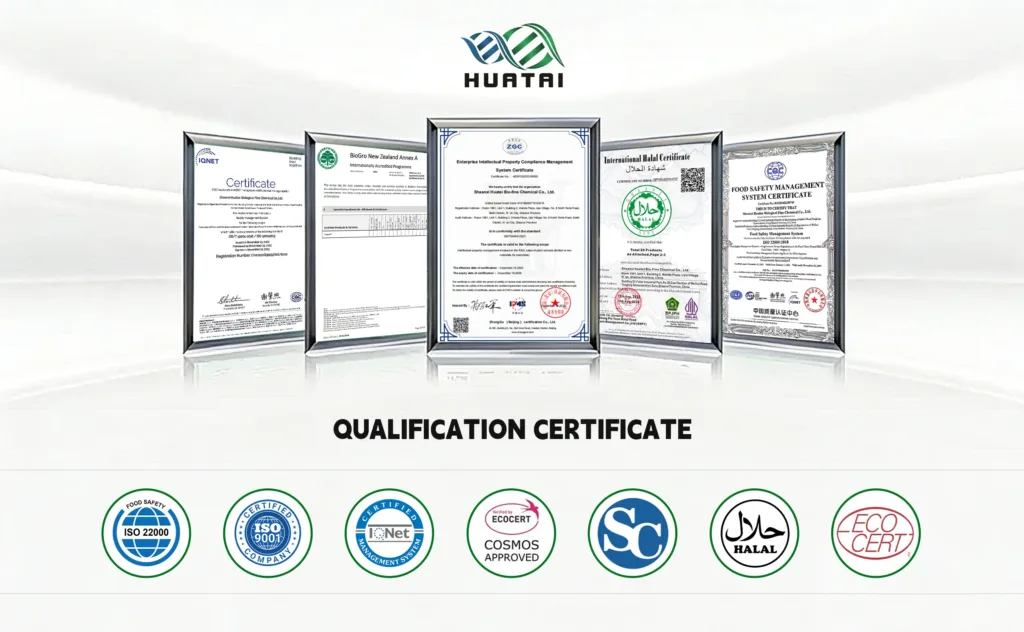
Huatai Bio fornisce un portafoglio completo di soluzioni ad alta efficacia ingredienti attivi cosmetici, consentendo ai marchi globali di creare formulazioni per la cura della pelle di nuova generazione, in grado di soddisfare le esigenze di formulazione di alta gamma.
Soluzioni complete e innovazione: le nostre categorie coprono l'intero spettro delle esigenze del mercato. Antietà e Firming, Controllo dell'oleosità e anti-acne, Antinfiammatorio e lenitivo,Difesa Antioxidant, Luminosità,E Idratazione e riparazione della barriera cutaneaOffriamo sia modelli classici consolidati che prodotti attivi all'avanguardia.
Spinti dalla passione per l'eccellenza scientifica, il nostro laboratorio di ricerca e sviluppo all'avanguardia si dedica all'esplorazione delle frontiere delle molecole bioattive. Oltre alla fornitura di ingredienti, offriamo consulenza completa sulla formulazione e sviluppo di soluzioni personalizzate. Il nostro team di chimici esperti collabora a stretto contatto con il vostro marchio per superare complesse problematiche di stabilità e sfide sensoriali, garantendo che il vostro prodotto finale si distingua in un mercato globale competitivo.
Qualità e credibilità senza compromessi: garantiamo che ogni lotto dei nostri Ingredienti attivi per la cura della pelle Soddisfa rigorosi standard di qualità, tra cui le certificazioni COSMOS, ISO 9001/22000 e HALAL. Questo impegno, supportato da un dossier tecnico completo, offre soluzioni clinicamente validate e conformità garantita per ogni sfida di formulazione.


 English
 German
 Italian
 French
 Spanish
 Japanese
 Korean
 Russian