
In the dynamic world of cosmetic ingredients, Dipotassium Glycyrrhizate (DPG) stands out as a true skincare powerhouse. Derived from the roots of the licorice plant (Glycyrrhiza glabra), this salt is celebrated globally for its profound anti-inflammatory, soothing, and antioxidant properties. As a highly effective, yet gentle, compound, DPG is the go-to ingredient for formulators creating products for sensitive skin, acne-prone skin, and those struggling with redness and irritation.
From calming irritated skin and minimizing the appearance of dark spots to offering a natural flavoring agent in oral care, DPG is a versatile ingredient that embodies the perfect marriage of nature and science. This comprehensive guide will delve into its molecular structure, core benefits, application in modern cosmetics, and its unmatched safety profile.
I. Unveiling the Ingredient: What Exactly is Dipotassium Glycyrrhizate?
Dipotassium Glycyrrhizate is a water-soluble derivative of glycyrrhizic acid (also known as glycyrrhizin), which is the primary sweet-tasting compound extracted from licorice root. It is typically found as a pale yellow to off-white powder and is the dipotassium salt form, making it highly effective and stable for use in various formulations.
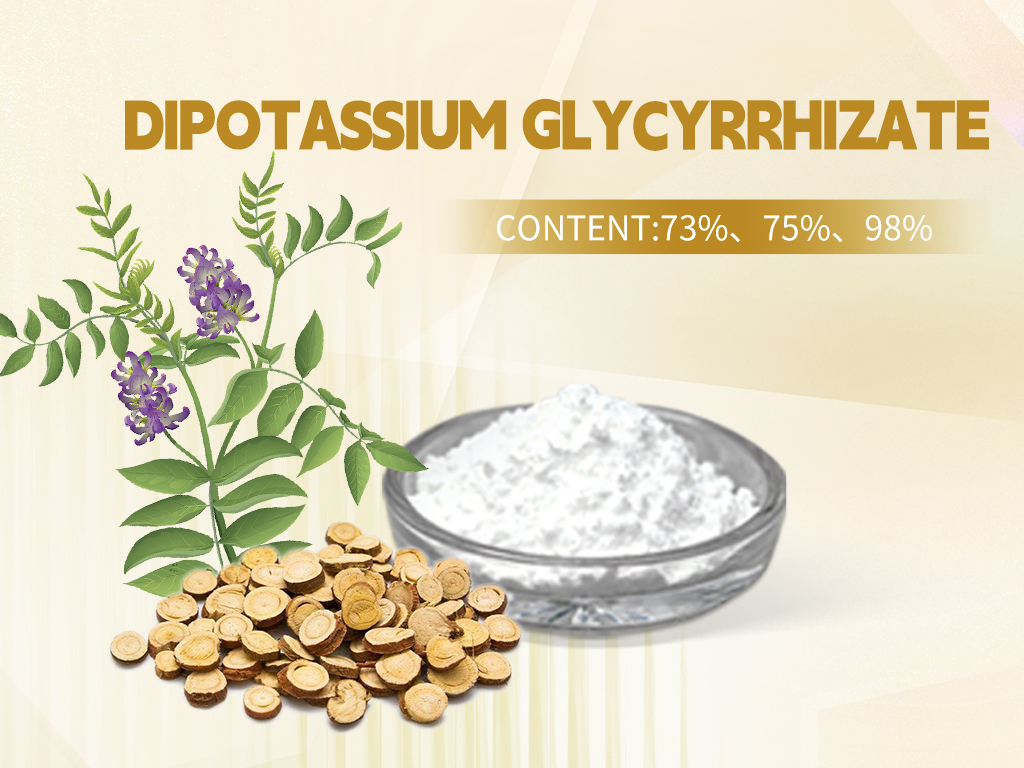
1.1 The Source: The Ancient Licorice Plant (Glycyrrhiza glabra)
The foundation of DPG’s efficacy lies in its natural origin. Licorice root has been utilized for centuries in traditional Chinese medicine and Ayurveda for its restorative and therapeutic qualities.
- Historical Significance: Ancient cultures recognized licorice for its ability to soothe discomfort and its natural sweetness.
- Key Active Compound: The compound of interest is Glycyrrhizic Acid, a triterpenoid saponin. Converting this acid into the Dipotassium Glycyrrhizate salt enhances its solubility and stability, making it superior for modern cosmetic ingredient formulation.
- Safety Profile: The refinement process ensures that DPG is highly purified, offering the benefits of licorice root without common irritants.
1.2 Chemical Structure and Stability
DPG is a large molecule that functions as a powerful humectant and a skin conditioning agent. Its structure is key to its stability and mechanism of action:
- Molecular Form: The salt form (Dipotassium) ensures that the active compound remains stable and water-soluble, allowing it to be easily incorporated into a wide range of products, including toners, serums, and lightweight lotions.
- General Tolerance: As confirmed by the Cosmetic Ingredient Review (CIR) Expert Panel, DPG is a well-tolerated and safe ingredient for use in cosmetics, even for sensitive skin types.
II. The Core Benefits: DPG’s Key Properties and Uses in Skincare
The versatility of DPG is unparalleled. Its primary applications revolve around its ability to manage skin inflammation and support overall skin health.
2.1 Potent Anti-inflammatory and Soothing Action (The Core Benefit)
This is the most celebrated and studied property of DPG. It is a powerful anti-irritant that works by inhibiting certain enzymes in the skin beta-hydroxysteroid dehydrogenase, which in turn helps reduce the metabolic breakdown of natural corticosteroids.
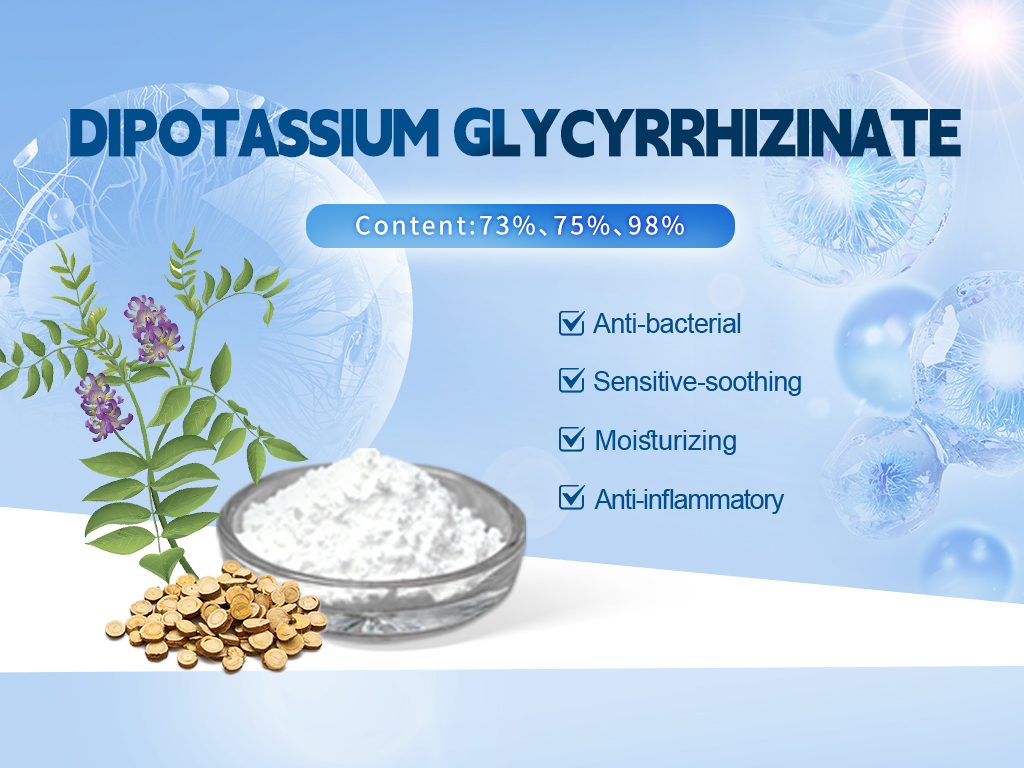
- Calming Redness: DPG is excellent at calming skin irritation and significantly reducing redness associated with conditions like rosacea, eczema, or post-procedure sensitivity (e.g., after peels or lasers).
- Alleviating Sensitivity: It is often included in products designed to alleviate sensitivity and discomfort. For reactive skin or skin that easily shows signs of irritation, DPG provides immediate relief and support.
- Post-Sun Care: Its soothing nature makes it an essential component in after-sun care products, helping to cool and calm sun-exposed skin.
2.2 Dark Spot Reduction and Brightening Potential
Beyond its calming effects, DPG contributes to a more even skin tone by addressing hyperpigmentation.
- Inhibiting Melanin Production: Licorice derivatives, including DPG, contain compounds (like liquiritin and glabridin, though DPG is the salt of glycyrrhizic acid) that can indirectly interfere with the production of melanin. DPG’s primary contribution here is by managing inflammation, which is a key trigger for Post-Inflammatory Hyperpigmentation (PIH).
- Fading Dark Spots: By reducing skin inflammation, DPG helps to minimize the appearance of dark spots and promotes a clearer, brighter complexion. It is a gentler alternative to some harsher skin brighteners.
2.3 Antioxidant Power: Fighting Oxidative Stress
Like other parts of the licorice plant, DPG provides significant antioxidant benefits.
- Scavenging Free Radicals: It helps to fight signs of aging by neutralizing free radicals generated by UV exposure and environmental stress/pollution.
- Skin Barrier Support: By mitigating oxidative stress, DPG supports the overall health and integrity of the skin barrier, making the skin more resilient to external aggressors.
2.4 Sebum Regulation and Acne Management
DPG is highly beneficial for oily and acne-prone skin because of its dual action: anti-inflammatory and sebum-regulating.
- Sebum Release Regulation: Research suggests DPG can help regulate sebum release, preventing the excessive oiliness that leads to clogged pores and breakouts.
- Acne Control: By soothing inflammation and controlling oil, DPG is a perfect fit for acne spot treatments, oil-free moisturizers, and acne serums, addressing both the cause (sebum/bacteria) and the symptoms (redness/inflammation) of acne vulgaris.
III. Application and Formulation: Usage Levels and Product Types
DPG’s excellent solubility and stability make it a favorite among cosmetic formulators.
3.1 Typical Usage Levels
The efficacy of DPG is high even at low concentrations, which contributes to its safety and general tolerance.
- Standard Concentration: Typical concentrations in cosmetic products range from 0.1% to 0.5%. This range is usually sufficient to deliver significant anti-inflammatory and soothing effects.
- Higher Concentrations: Some specific formulations, particularly targeted spot treatments or professional post-procedure formulations, may utilize concentrations up to 2% for maximum immediate relief.
- Formulation Types: DPG is easily incorporated into water-based systems. It works synergistically with common ingredients like Hyaluronic Acid, Niacinamide, and Vitamin C without destabilization.
3.2 Where You’ll Find Dipotassium Glycyrrhizate
DPG is a key ingredient in products targeting skin sensitivity and inflammation:
| Product Category | Primary Function of DPG | Target User/Skin Concern |
| Soothing Serums & Moisturizers | Calming redness and irritation. | Sensitive skin, Rosacea, Post-sun exposure. |
| Acne Treatments | Anti-inflammatory and sebum regulation. | Acne-prone skin, Oily skin, PIH prevention. |
| After-Shave/Post-Waxing Lotions | Alleviating razor burn and discomfort. | All skin types prone to mechanical irritation. |
| Under-Eye Creams | Soothing the delicate eye area and reducing puffiness (related to irritation). | Users with sensitive eyes or eye irritation. |
| Sunscreens | Providing a soothing buffer to mitigate potential irritation from UV filters. | All users, especially those using chemical sunscreens. |
3.3 The Role as a Flavoring Agent
Beyond topical skincare, DPG is also frequently used in food and oral hygiene products due to its mild, sweet taste derived from glycyrrhizin.
- Oral Care: It’s a popular additive in toothpaste and mouthwash, where it provides a pleasant taste while offering minor anti-inflammatory benefits for the gums.
IV. Safety Profile and Regulatory Status
The widespread adoption of DPG across global cosmetic markets is a testament to its excellent safety and tolerance.
4.1 CIR Expert Panel Conclusion
The Cosmetic Ingredient Review (CIR) Expert Panel thoroughly reviewed the scientific data on DPG and concluded that it is safe for use in cosmetics at current typical concentrations.
- Low Irritancy and Sensitization: Studies have shown DPG to have extremely low potential for skin irritation or sensitization, reinforcing its use for even the most reactive skin.
- Non-comedogenic: Its profile suggests it is non-comedogenic, meaning it will not clog pores, further confirming its suitability for blemish-prone skin.
4.2 Global Recognition
DPG is approved for use in cosmetic products across all major global regulatory bodies (EU, US FDA, Japan, China, etc.), solidifying its reputation as a globally accepted and reliable cosmetic ingredient.
V. Dipotassium Glycyrrhizate vs. Other Soothing Agents
How does DPG compare to other popular skin-calming ingredients like Centella Asiatica (Cica) or Bisabolol?
| Ingredient | Primary Source | Key Mechanism(s) | Key Advantage |
| Dipotassium Glycyrrhizate | Licorice Root | Direct anti-inflammatory (cortisol metabolism) & sebum regulation. | High stability, water-soluble, excellent for PIH and acne-prone skin. |
| Centella Asiatica (Cica) | Gotu Kola Plant | Wound healing, collagen synthesis promotion, anti-inflammatory. | Superior for repairing skin barrier and scar reduction. |
| Bisabolol | Chamomile | Direct anti-irritant and soothing effect. | High penetration, often used in fragrance-free formulas for quick relief. |
| Allantoin | Comfrey Plant | Moisturizing, keratolytic (mild exfoliant), soothing. | Extremely gentle, excellent for mild dryness and texturizing. |
Conclusion: While all are excellent soothing ingredients, DPG offers a unique advantage by combining potent anti-inflammatory action with direct support for oil control and a reliable track record in reducing post-inflammatory hyperpigmentation, making it highly versatile for complex skin needs.
VI. Dipotassium Glycyrrhizate FAQ
Q1: Is Dipotassium Glycyrrhizate the same as Licorice Root Extract?
A1: No, but they are related. Licorice Root Extract is the crude extract, which contains many compounds including glycyrrhizic acid. Dipotassium Glycyrrhizate (DPG) is the highly purified, isolated, and stabilized salt of glycyrrhizic acid. DPG is generally considered more reliable in a formula because it is a single, known active molecule with superior stability and solubility compared to the complex crude extract.
Q2: Is DPG safe for highly sensitive and compromised skin barriers?
A2: Yes, DPG is exceptionally safe and generally well-tolerated. Its primary function is to soothe irritation and reduce redness, making it one of the top choices for formulations targeting sensitive, reactive, and even compromised skin conditions like eczema and dermatitis.
Q3: Can I use Dipotassium Glycyrrhizate with active ingredients like Retinoids or AHAs?
A3: Absolutely. DPG is an ideal complementary ingredient for use alongside potentially irritating actives like retinoids (retinol), AHAs (glycolic acid), or BHAs (salicylic acid). It acts as a buffering agent, helping to calm skin irritation and minimize the redness and flaking that can occur when starting or increasing the use of powerful exfoliants and Vitamin A derivatives.
Q4: Does DPG help with acne scars?
A4: DPG is primarily effective against Post-Inflammatory Hyperpigmentation (PIH), which are the temporary dark spots left behind after a blemish heals. By reducing the inflammation that triggers melanin production, it helps these dark spots fade faster. For deep, textural acne scars (like ice pick or boxcar scars), DPG serves a complementary, anti-inflammatory role, but other ingredients like Vitamin C or clinical procedures are typically required.
Q5: How quickly can I expect to see results from DPG?
A5: Its soothing and anti-irritant effects are often felt relatively quickly—sometimes within minutes to hours—with visible reduction in redness and discomfort within a few days. For long-term benefits like dark spot reduction and sebum regulation, consistent use over several weeks (4-8 weeks) is necessary for optimal results.
VII. The Indispensable Role of DPG in Modern Skincare
Dipotassium Glycyrrhizate is not just a passing trend; it is a tried-and-true staple in cosmetic formulations worldwide. Its powerful yet gentle combination of anti-inflammatory, soothing, antioxidant, and sebum-regulating capabilities makes it an essential ingredient for virtually any skin type, especially those struggling with sensitivity, redness, and breakouts.
For consumers seeking a high-efficacy ingredient that prioritizes both results and skin tolerance, DPG—the refined essence of the ancient licorice root—represents the gold standard in calming and restorative skincare.

-300x300.jpg)


 English
 German
 Italian
 French
 Spanish
 Japanese
 Korean
 Russian