
When purchasing raw cosmetic ingredients, especially specialty actives like kojic dipalmitate, the most important question that consistently arises for buyers, formulators, and procurement managers is how to accurately evaluate the quality of the material before committing to a supplier. Kojic dipalmitate is widely used in cosmetic formulations as a skin brightening and stabilizing agent, but unlike finished products sold directly to consumers, raw ingredients require a much more detailed analysis since the quality of the ingredient directly affects not only the performance of the final product but also regulatory compliance, stability, safety, and long-term brand reputation. Evaluating the quality of kojic dipalmitate therefore requires an in-depth understanding of its chemical characteristics, common impurities, physical properties, testing protocols, supplier credibility, storage requirements, packaging standards, and even global supply chain factors that might influence consistency. For many businesses, especially those sourcing from international suppliers, purchasing decisions often need to balance price competitiveness with technical reliability, which means that buyers must equip themselves with the ability to discern beyond surface-level product descriptions or marketing claims.
Kojic dipalmitate is a derivative of kojic acid, modified with palmitic acid to improve stability and reduce the photoinstability and solubility issues associated with kojic acid itself. This modification makes the compound more suitable for use in emulsions, creams, and other formulations that require long shelf life and predictable performance. Because it is more stable against heat and light, it is often preferred over pure kojic acid. However, the production process of kojic dipalmitate requires precise control of esterification conditions and purification steps to achieve a consistent product that meets cosmetic ingredient standards. A poorly manufactured or insufficiently purified sample may contain residual kojic acid, unreacted palmitic acid, or other side products that could negatively affect solubility, safety, or stability in formulations. Therefore, the first criterion of evaluation is chemical purity, which should be verified by analytical methods such as high-performance liquid chromatography (HPLC), gas chromatography (GC), or infrared spectroscopy. Reputable suppliers should provide a certificate of analysis (CoA) that includes purity percentages, typically above 98% for cosmetic-grade material, along with data on loss on drying, melting point, and heavy metal content. Buyers should not rely solely on verbal assurances of quality but request documented analytical results that conform to recognized standards.
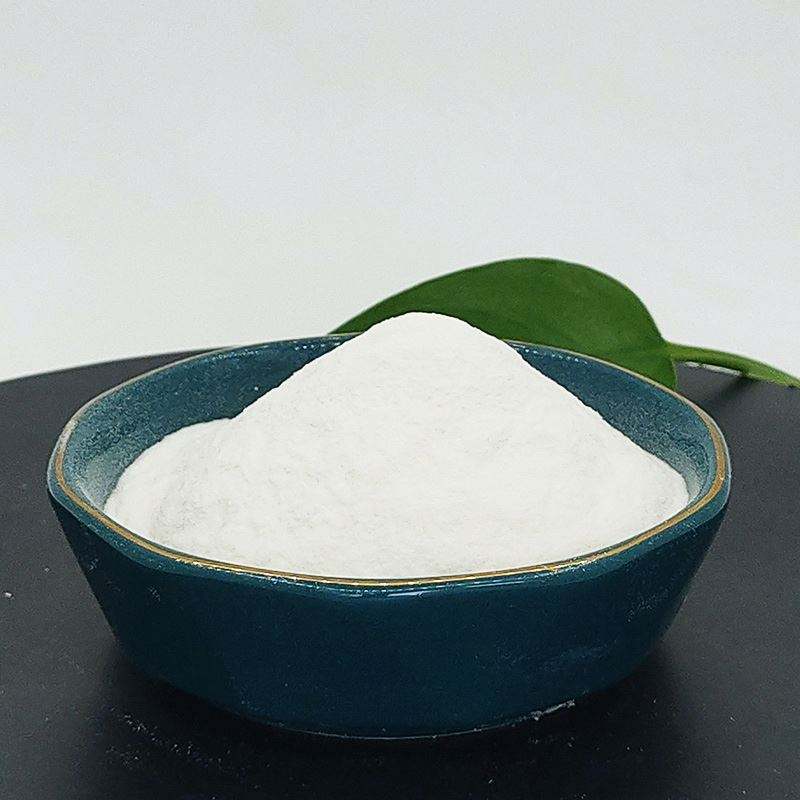
Another critical aspect of quality evaluation is physical appearance. Kojic dipalmitate is normally supplied as a white to off-white crystalline powder. Any discoloration such as yellowing, brownish tinge, or irregular clumping can be a warning sign of degradation, contamination, or poor storage conditions. While appearance alone is not sufficient proof of quality, it serves as a quick preliminary indicator during incoming material inspection. The powder should be free-flowing without excessive moisture absorption, which can be confirmed by checking the moisture content. Since kojic dipalmitate is relatively hydrophobic, it should not absorb large amounts of water, but improper storage in humid conditions could still cause caking. Thus, packaging integrity is another essential evaluation factor. High-quality kojic dipalmitate is usually packaged in airtight, sealed containers such as aluminum foil bags placed inside fiber drums or HDPE containers with moisture-proof lining. If packaging is substandard or appears tampered with, the risk of material degradation during transport increases, especially for international shipments where transit times can be long.
Beyond physical and chemical testing, buyers must also evaluate stability data. Even though kojic dipalmitate is more stable than kojic acid, it is still subject to oxidative degradation and hydrolysis under unfavorable conditions. Suppliers who can provide stability testing data under accelerated conditions such as 40°C and 75% relative humidity for extended periods demonstrate better control and reliability. Such data allows formulators to predict how the ingredient will behave during product storage and distribution. Without stability information, buyers are left to conduct their own tests, which adds cost and delays to product development cycles. Therefore, choosing suppliers who invest in providing stability profiles represents a significant advantage.
Supplier credibility and manufacturing standards are equally crucial in evaluating kojic dipalmitate quality. A manufacturer who operates under Good Manufacturing Practices (GMP) or ISO certification will generally maintain more consistent production batches than unverified factories. Auditing supplier documentation, production facility certifications, and quality management protocols can help buyers ensure that the raw material meets both technical and regulatory standards. Since cosmetic regulations in different regions such as the European Union, United States, China, and Japan have specific requirements for ingredient safety and allowable concentrations, suppliers should also be able to provide regulatory support documents, such as safety data sheets (SDS), toxicological studies, REACH registration status, and compliance statements. Procurement professionals who fail to verify this risk importing material that cannot be legally used in their target markets, leading to financial losses and reputational harm.
Another evaluation point often overlooked is traceability of raw materials. Kojic dipalmitate is synthesized through chemical processes that involve raw materials like kojic acid and palmitic acid. Ensuring that these upstream materials are sourced from reputable origins reduces the likelihood of contamination with unwanted by-products. For example, palmitic acid may sometimes be derived from palm oil, and depending on the supplier, sustainability certifications such as RSPO may be relevant for brands committed to ethical sourcing. While not every buyer may require such certifications, awareness of raw material origins allows companies to align ingredient sourcing with their corporate social responsibility goals and consumer expectations.
In practice, evaluating the quality of kojic dipalmitate also involves pilot formulation trials. Even when a supplier provides high analytical purity, formulators may encounter challenges related to solubility, dispersibility in different oil phases, or compatibility with emulsifiers and other actives. A material that appears excellent on paper may still produce formulation instability such as precipitation, crystallization, or reduced efficacy in combination with other components. Therefore, practical performance testing in small-scale lab batches is an indispensable step. Buyers should allocate time to test samples from different suppliers under identical formulation conditions to compare not only purity but also real-world usability. This process allows procurement teams to move beyond lowest-price considerations and choose the supplier whose material demonstrates the most consistent performance in their target formulations.
Another layer of quality evaluation involves looking at impurity profiles. While a supplier may claim purity above 98%, the remaining 2% of unidentified material can have disproportionate effects on safety and performance. Advanced analytical methods such as mass spectrometry or nuclear magnetic resonance (NMR) can sometimes detect specific impurities. Although not every buyer has access to such equipment, partnering with third-party testing laboratories to verify samples can be a wise investment, particularly for companies entering new supplier relationships or sourcing from regions where counterfeit raw materials are a concern. In recent years, reports of mislabeled or adulterated cosmetic raw materials have increased, making independent verification an important safeguard.
The logistical side of purchasing kojic dipalmitate also plays into quality evaluation. A high-quality material that is stored improperly during long sea freight can degrade before arrival, leading to poor performance in formulations. Therefore, buyers should consider suppliers’ shipping practices, including whether shipments are made in temperature-controlled containers, whether desiccants are included, and how long the transit time typically is. Suppliers with experience in exporting cosmetic raw materials usually have standard protocols in place to protect ingredient integrity during transit. In contrast, inexperienced suppliers may cut corners, resulting in inconsistent deliveries. Establishing quality agreements with suppliers that clearly define storage conditions, shelf life, and handling requirements can prevent disputes and ensure consistent quality.
Buyers should also recognize that evaluating quality is not limited to a single purchase. Ongoing supplier monitoring is essential. Even if the first few batches of kojic dipalmitate meet specifications, production consistency can drift over time if the manufacturer does not maintain strict quality control. Implementing a vendor qualification program that requires periodic re-testing of incoming batches, supplier audits, and continuous communication helps maintain long-term quality assurance. For multinational brands, it is common practice to qualify at least two suppliers of kojic dipalmitate to reduce supply chain risk and to benchmark performance between different sources. This dual-sourcing strategy also keeps pricing competitive without compromising quality.
A further dimension of quality evaluation concerns the end user perception of the final cosmetic products containing kojic dipalmitate. While consumers will never see or interact directly with the raw powder, the way the ingredient performs in finished products—whether it delivers visible skin brightening effects without irritation—feeds back into the brand’s reputation. If the raw material is of low quality, final products may underperform, leading to consumer dissatisfaction and potential complaints. Thus, procurement decisions have downstream effects that reach all the way to brand loyalty and market competitiveness. Buyers should view quality evaluation not merely as a technical checklist but as a strategic business decision that influences brand positioning in a crowded market.
In addition to chemical and physical assessments, evaluating kojic dipalmitate quality also involves safety considerations. Even trace contaminants such as heavy metals, residual solvents, or microbial impurities can pose risks in cosmetic formulations. International standards typically require that heavy metals such as lead, arsenic, cadmium, and mercury remain below very strict limits. Reliable suppliers provide CoAs that include these measurements and demonstrate compliance with global cosmetic regulations. Buyers should ensure that every shipment is accompanied by up-to-date safety data and that random third-party verification is conducted at regular intervals.
An often-overlooked area is the intellectual property and regulatory landscape surrounding kojic dipalmitate. Some regions may have restrictions on concentration levels or labeling requirements. Quality evaluation should therefore encompass not only the physical and chemical properties of the ingredient but also its compliance profile. Suppliers who provide technical dossiers, regulatory statements, and global compliance data show a higher level of professionalism and reliability. By contrast, suppliers who are unable or unwilling to provide such documentation pose a potential risk for regulatory non-compliance.
The cost factor also influences perceptions of quality. While buyers naturally seek competitive pricing, extremely low prices should raise caution. Producing high-purity kojic dipalmitate requires significant processing steps and raw material inputs. If a supplier offers prices far below the market average, it may indicate substandard quality, adulteration, or unsustainable practices. Smart buyers evaluate total value rather than unit cost, recognizing that a slightly higher upfront price for consistent, reliable quality saves costs in reformulation, recalls, or regulatory penalties later. Negotiating long-term supply contracts with reliable suppliers can also stabilize pricing and ensure continuous access to high-quality material.
The role of technical support should not be underestimated in quality evaluation. Suppliers who employ technical experts to assist with formulation challenges, provide solubility guidelines, or share application data deliver more value than those who simply sell raw powder. This technical collaboration ensures that buyers maximize the performance of kojic dipalmitate in their formulations. A supplier who invests in customer support is more likely to maintain rigorous internal quality control, since their reputation is tied not only to the raw material but also to its performance in the marketplace.
Finally, buyers must consider the future scalability of supply. If a new cosmetic product achieves market success, demand for kojic dipalmitate can rapidly increase. A supplier who cannot scale up production while maintaining consistent quality will become a bottleneck for growth. Evaluating production capacity, raw material sourcing strategies, and supplier investment in manufacturing infrastructure therefore becomes part of quality evaluation. Long-term business sustainability requires not only current quality assurance but also confidence in future supply reliability.
In conclusion, evaluating the quality of kojic dipalmitate when purchasing raw cosmetic ingredients is a multifaceted process that extends far beyond visual inspection or reliance on supplier claims. It requires a structured approach encompassing analytical verification, physical inspection, stability data, regulatory compliance, packaging integrity, supplier credibility, impurity profiling, logistical safeguards, ongoing monitoring, and strategic business considerations. Buyers who adopt this comprehensive evaluation framework not only protect their formulations from potential failures but also strengthen their competitive advantage in the cosmetic industry. By ensuring that every batch of kojic dipalmitate meets stringent quality standards, procurement teams contribute directly to the success of finished products, consumer satisfaction, and brand reputation. In the competitive global marketplace for cosmetic actives, rigorous quality evaluation is not optional but essential, and kojic dipalmitate is a prime example of how attention to detail at the raw material stage determines long-term success.



 English
 German
 Italian
 French
 Spanish
 Japanese
 Korean
 Russian