
In the dynamic environment of cosmetic manufacturing, the proper handling of active ingredients represents a critical intersection of product quality, workplace safety, and operational efficiency. For Licochalcone A—a potent anti-inflammatory compound derived from licorice root—implementing comprehensive handling procedures and safety protocols is not merely a regulatory requirement but a fundamental aspect of responsible manufacturing practice. These guidelines ensure that the exceptional properties of this valuable ingredient are preserved from receipt through incorporation into final formulations, while simultaneously protecting personnel and maintaining the highest standards of product quality.
The handling of powdered active ingredients presents unique challenges that require specific protocols and safety measures. From controlling dust generation to maintaining stability during storage, each step in the handling process must be carefully managed to ensure optimal results.

Receipt and Initial Inspection Procedures
The handling process begins with proper receipt and inspection of incoming materials, establishing the foundation for subsequent quality assurance.
Receiving Protocol:
- Visual Inspection: Examine external packaging for signs of damage, moisture, or contamination before accepting delivery
- Temperature Verification: Confirm that shipping conditions have maintained appropriate temperature ranges during transit
- Documentation Review: Verify that accompanying documentation matches shipment details and includes required certificates of analysis
Quarantine Procedure:
- Secure Storage: Place newly received material in a designated quarantine area pending quality release
- Labeling Requirements: Clearly mark quarantined materials with status and receipt date
- Access Control: Restrict access to quarantined materials to authorized quality personnel only
Storage Conditions and Environmental Controls
Proper storage is essential for maintaining Licochalcone A stability and preserving its functional properties.
Primary Storage Parameters:
- Temperature Control: Maintain storage temperature between 15°C and 25°C (59°F to 77°F) in a stable environment free from temperature fluctuations
- Humidity Management: Keep relative humidity below 45% using dehumidification systems where necessary
- Light Protection: Store in opaque containers within darkened storage areas to prevent photodegradation
Container Management:
- Original Packaging: Maintain materials in original sealed containers until ready for use
- Resealing Procedures: Implement strict protocols for resealing containers after each use
- Container Integrity: Regularly inspect containers for damage or degradation
Personal Protective Equipment (PPE) Requirements
Appropriate PPE is essential for protecting personnel during handling operations.
Minimum PPE Requirements:
- Respiratory Protection: NIOSH-approved N95 masks or equivalent for dust control
- Eye Protection: Safety glasses with side shields or chemical splash goggles
- Hand Protection: Nitrile or other appropriate chemical-resistant gloves
- Protective Clothing: Lab coats or dedicated work garments
Additional Protection for Specific Tasks:
- Dust-Generating Activities: Consider powered air-purifying respirators (PAPRs) for extensive powder handling
- Spill Response: Additional protective equipment including face shields and impervious aprons
- Scale-Up Operations: Enhanced protection for large-scale manufacturing activities
Handling and Transfer Procedures
Systematic handling procedures minimize risks and maintain product quality during processing.
General Handling Guidelines:
- Dust Control: Use local exhaust ventilation or dust collection systems during transfer operations
- Static Electricity Prevention: Implement grounding and bonding procedures for equipment and containers
- Minimal Exposure: Keep containers closed when not in active use to limit air and moisture exposure
Transfer Techniques:
- Controlled Pouring: Use dedicated powder transfer funnels and implements
- Weighing Procedures: Conduct weighing operations in designated areas with appropriate containment
- Equipment Cleaning: Establish protocols for cleaning equipment to prevent cross-contamination
Engineering Controls and Workplace Design
Proper facility design and engineering controls significantly enhance safety and handling efficiency.
Ventilation Systems:
- Local Exhaust Ventilation: Install capture hoods at points of dust generation
- General Ventilation: Maintain negative pressure in handling areas relative to adjacent spaces
- Air Filtration: Use HEPA filtration where appropriate for air quality control
Facility Design Features:
- Smooth Surfaces: Install non-porous, easy-to-clean surfaces in handling areas
- Dedicated Zones: Establish separate areas for different handling activities
- Emergency Equipment: Position eye wash stations and safety showers in accessible locations
Spill Response and Emergency Procedures
Preparedness for accidental releases ensures prompt and effective response to incidents.
Spill Response Protocol:
- Immediate Action: Evacuate non-essential personnel and secure the area
- Containment: Prevent spread using appropriate absorbent materials and physical barriers
- Cleanup: Use dedicated equipment and follow established decontamination procedures
Emergency Equipment:
- Spill Kits: Maintain readily accessible kits containing appropriate absorbents, PPE, and disposal materials
- Communication Systems: Ensure reliable emergency communication capabilities
- Training: Conduct regular drills and training sessions for emergency response
First Aid Measures and Medical Response
Preparedness for potential exposure incidents protects personnel health and safety.
Inhalation Exposure:
- Immediate Response: Move affected person to fresh air immediately
- Medical Attention: Seek medical evaluation if respiratory symptoms develop
- Monitoring: Observe for delayed symptoms and provide appropriate medical information
Skin and Eye Contact:
- Flushing: Immediately flush affected areas with copious amounts of water
- Contamination Removal: Remove contaminated clothing carefully to prevent further exposure
- Medical Referral: Seek medical attention for persistent irritation or significant exposure
Disposal and Waste Management
Proper disposal procedures ensure environmental protection and regulatory compliance.
Waste Classification:
- Characterization: Determine appropriate waste classification according to local regulations
- Containerization: Use suitable containers for waste collection and storage
- Labeling: Clearly identify waste materials with appropriate hazard information
Disposal Methods:
- Contractor Selection: Use licensed waste disposal contractors with appropriate expertise
- Documentation: Maintain complete records of waste disposal activities
- Compliance: Ensure all disposal activities meet regulatory requirements
Training and Competency Requirements
Comprehensive training programs ensure personnel have the knowledge and skills for safe handling.
Training Components:
- Initial Training: Comprehensive instruction on hazards, procedures, and emergency response
- Refresher Training: Regular updates to maintain competency and address procedural changes
- Task-Specific Training: Specialized instruction for particular activities or equipment
Competency Assessment:
- Practical Evaluation: Assessment of hands-on skills and procedural knowledge
- Written Testing: Verification of theoretical understanding and knowledge retention
- Performance Monitoring: Ongoing evaluation of handling practices and safety compliance
Quality Assurance During Handling
Maintaining quality standards throughout handling processes ensures final product integrity.
In-Process Monitoring:
- Environmental Conditions: Regular monitoring of temperature and humidity in storage and handling areas
- Container Integrity: Frequent inspection of packaging for damage or contamination
- Material Tracking: Comprehensive documentation of material movement and handling history
Quality Verification:
- Sampling Protocols: Established methods for representative sampling when required
- Testing Requirements: Additional verification testing if handling conditions may have affected quality
- Documentation: Complete records of all handling activities and quality verification
Shaanxi Huatai Bio-Fine Chemical Co., Ltd.: Commitment to Safety and Quality
At Shaanxi Huatai Bio-Fine Chemical Co., Ltd., we recognize that proper handling and safety practices are essential components of ingredient quality and performance. Since our establishment in 2008, we have implemented comprehensive safety systems and provide detailed handling guidance to support our customers’ success.
Our commitment to safety and quality includes:
- Detailed Documentation: We provide comprehensive Safety Data Sheets and handling guidelines with all shipments
- Technical Support: Our experienced team offers guidance on handling procedures and safety practices
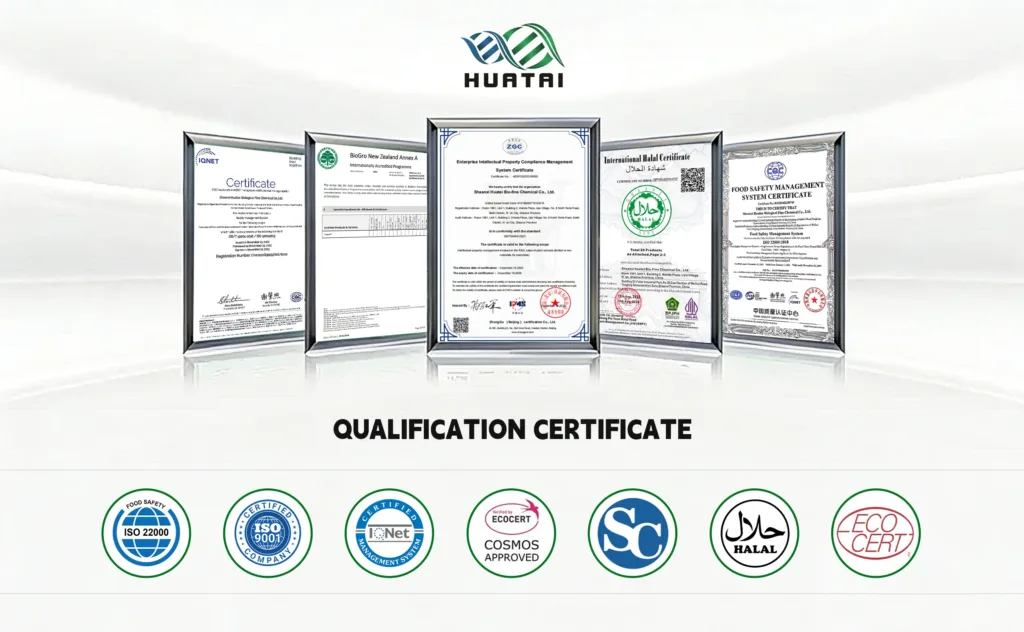
- Quality Assurance: Our COSMOS, ISO 9001/22000, and HALAL certifications demonstrate our commitment to international standards for quality and safety
- Continuous Improvement: We regularly review and update our safety information based on new knowledge and customer feedback
Our core portfolio includes Glabridin, Licochalcone A, Totarol, and Dipotassium Glycyrrhizate, widely recognized for their effectiveness in whitening, anti-inflammatory, anti-aging, and repairing formulations. As a leading manufacturer, we are dedicated to empowering skincare brands and OEMs with innovative, reliable, and sustainable actives for next-generation skincare solutions.
Implementing Effective Handling Practices
Successful implementation of handling procedures requires commitment to training, proper equipment, and continuous improvement.
Program Development:
- Risk Assessment: Thorough evaluation of handling risks and implementation of appropriate controls
- Procedure Documentation: Clear, accessible written procedures for all handling activities
- Performance Monitoring: Regular assessment of handling practices and safety compliance
Continuous Improvement:
- Incident Review: Investigation of any incidents or near-misses to identify improvement opportunities
- Regulatory Updates: Staying current with changing regulatory requirements and best practices
- Technology Assessment: Regular evaluation of new equipment and technologies for handling improvement
Conclusion: Integrating Safety and Quality
Proper handling procedures for Licochalcone A powder extract represent an essential investment in product quality, personnel safety, and operational efficiency. By implementing comprehensive handling protocols and safety measures, manufacturers can ensure that this valuable ingredient maintains its functional properties while protecting the people who work with it.
The integration of robust safety practices with quality management provides significant benefits through improved product consistency, reduced waste, enhanced regulatory compliance, and strengthened workplace safety culture.
Ready to enhance your handling procedures for Licochalcone A? Contact Shaanxi Huatai Bio-Fine Chemical Co., Ltd. today. Our technical team is ready to provide detailed safety information, handling guidelines, and support for your specific operational requirements.
Reach out to us to discuss your handling challenges, request safety documentation, and discover how our commitment to quality and safety can support your manufacturing excellence.


 English
 German
 Italian
 French
 Spanish
 Japanese
 Korean
 Russian