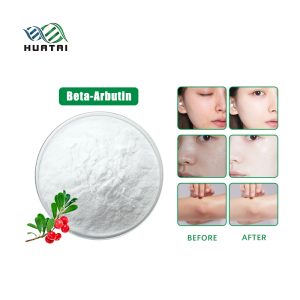
Active skincare ingredients

Ceramide and Niacinamide: A Synergistic Strategy for Comprehensive Skin Health

Strategic Formulation: Understanding Ceramide and Niacinamide Functions

The question of whether Ceramide or Niacinamide is “better” is central to modern cosmetic formulation strategy, particularly for raw material procurement managers. Both ingredients are highly valued, yet they offer distinct, complementary benefits to the skin, making them ideal for synergistic product development.

Ceramide is a sphingolipid, a foundational component of the skin’s lipid barrier. Its primary function is structural: to ensure barrier repair and integrity, preventing moisture loss (TEWL) and protecting against external irritants. Formulators look to Ceramide for products focused on moisture retention and dryness relief. Niacinamide, a form of Vitamin B3, is a cell-communicating ingredient that is versatile and targets multiple cellular pathways. It is known for its ability to minimize pore size, regulate oil production, reduce redness, and act as an anti-inflammatory agent. For procurement, Niacinamide is sought for its high activity and broad applicability across anti-acne and anti-aging lines, while Ceramide is the staple for skin barrier fortification.
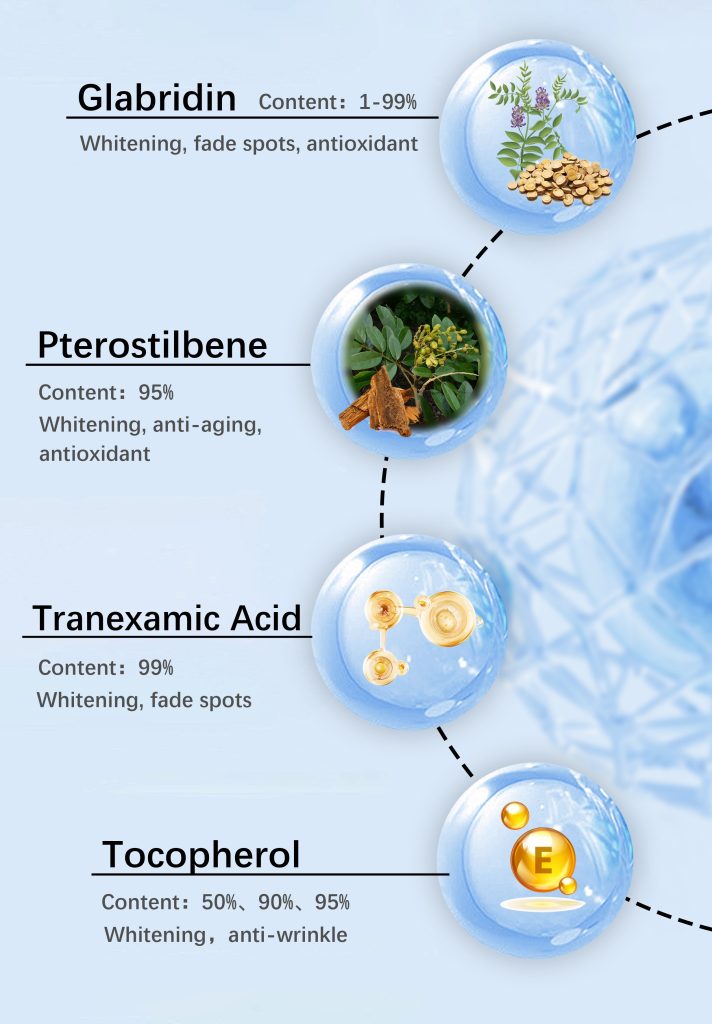
Glabridin has emerged as the gold standard ingredient for skin lightening and whitening formulations. For brands developing such products, critical questions arise: How does it compare to hydroquinone? Is it truly effective for all types of pigmentation? How can we communicate its benefits to discerning consumers? Glabridin vs. Hydroquinone: The Paradigm Shift in Pigmentation Management For decades, hydroquinone was the medical-grade benchmark for depigmenting agents. However, its safety profile has come under intense scrutiny due to potential side effects like ochronosis (bluish-black discoloration), cytotoxicity, and irritation. This has led to its ban or restriction in many countries' cosmetic markets. Glabridin represents the next generation of skin lightening actives. It offers a compelling alternative: Safety First: Glabridin is derived from a well-known botanical and is exceptionally well-tolerated. It does not cause cytotoxicity (cell death) to melanocytes; it simply downregulates their overactivity. This makes it safe for long-term use. Multi-Targeted Action: Unlike hydroquinone, which primarily inhibits tyrosinase, Glabridin's anti-inflammatory and antioxidant properties allow it to address pigmentation from multiple angles—preventing its trigger (inflammation), inhibiting its production (tyrosinase), and protecting against its stimulation (UV/ROS). Market Appeal: The "natural," "plant-derived," and "non-irritating" marketing angles are powerful and align perfectly with Glabridin's profile, a significant advantage over synthetic and controversial ingredients. Targeting Different Pigmentation Concerns with Glabridin A successful product must address specific consumer needs. Glabridin is effective against the most common types of hyperpigmentation: Melasma: Often hormonally driven and exacerbated by sun exposure and heat. Glabridin’s anti-inflammatory action is particularly beneficial here, as inflammation is a key component of melasma pathogenesis. Post-Inflammatory Hyperpigmentation (PIH): The dark spots that remain after acne, eczema, or a skin injury has healed. By calming the initial inflammation and preventing the subsequent melanin overproduction, Glabridin is ideal for treating and preventing PIH. Solar Lentigos (Sun/Age Spots): Caused by cumulative UV exposure. Glabridin’s potent antioxidant activity helps neutralize free radicals generated by UV light, preventing further damage, while its tyrosinase inhibition helps fade existing spots. General Uneven Skin Tone: For consumers seeking an all-over brightening and radiant effect, Glabridin provides a gradual, uniform lightening without causing stark contrast or sensitivity. Formulating for Maximum Efficacy and Consumer Appeal To create a best-in-class product, Glabridin should be part of a strategic formulation. The Power of Synergy: Create a "brightening complex" by combining Glabridin with other mechanisms of action. Niacinamide (inhibits melanosome transfer to skin cells), Tranexamic Acid (targets vascular components of melasma and plasmin activity), and Alpha-Arbutin (a prodrug of hydroquinone that is safer) are excellent partners. This multi-pathway approach is far more effective than any single ingredient. Incorporating Sun Protection: Any skin lightening regimen is incomplete without sunscreen. UV radiation is the primary stimulator of melanogenesis. Formulating a day cream with Glabridin and high SPF, or marketing a brightening serum as part of a system that includes sunscreen, is crucial for visible, long-term results. Claim Substantiation: Support your marketing claims with data. Partner with a supplier who can provide in-vitro (e.g., tyrosinase inhibition assays) and clinical trial data for their specific Glabridin extract. This builds brand credibility and trust. Sourcing a high-performance Glabridin is the foundation of any successful skin lightening product. You need an ingredient backed by solid scientific evidence and produced to the highest standards. Shaanxi Huatai Bio-Fine Chemicals Co., Ltd. is a Functional Skincare Ingredients manufacturer that meets this demand. Founded in 2008 and holding ISO 9001/22000, COSMOS, and GMP certifications, they are a trusted partner for global brands. Their expertise as a leading Glabridin manufacturer ensures you receive an extract proven for efficacy in skin lightening and whitening applications. To develop a safe, potent, and market-ready product, contact Huatai Bio to source their scientifically-validated Glabridin extract and leverage their technical expertise.

Cosmetic Applications and Strategic Ingredient Blending

The difference in water-solubility and mechanism between Ceramide and Niacinamide makes them perfect blending partners for advanced formulas.

Raw Material Application

Niacinamide is a highly stable, water-soluble powder, easily incorporated into the water phase of any formula. It is typically effective at concentrations ranging from 2% to 10%. Ceramide is a waxy, oil-soluble lipid that must be integrated into the oil phase using heat and specialized emulsification techniques. The best-selling cosmetic formulas often feature both ingredients: Niacinamide for its cellular benefits and visible pore-cleansing effects, and a Ceramide blend to provide the necessary lipid support to counteract potential dryness or irritation from other actives. This combined approach ensures products deliver both immediate functional and long-term structural improvements.

Common Formulations

The combination of these two raw materials creates products with unparalleled multifunctional appeal:

  • Pore Minimizing/Acne Treatments: Feature high Niacinamide concentrations to regulate sebum, paired with Ceramides to prevent the compromised skin barrier common in acne-prone skin.
  • Overnight Repair Creams: Utilize Ceramides for maximum barrier repair while the Niacinamide works to improve elasticity and tone overnight.
  • Sensitive/Compromised Skin Formulas: Ceramide focuses on structural integrity, while Niacinamide provides soothing and anti-redness benefits.
  • Anti-Aging Serums: Niacinamide improves cell function and texture, complemented by Ceramides to restore essential lipids lost with age.

Frequently Asked Questions (FAQ)

Q1. Can Niacinamide and Ceramide be used in the same formulation?

Yes, they are highly compatible and often formulated together. The Niacinamide provides cellular and anti-inflammatory benefits, while the Ceramide ensures the skin’s protective skin barrier remains intact, maximizing the benefits of both.

Q2. Does Niacinamide help the skin produce more natural Ceramide?

Yes, one of the key functions of Niacinamide is to stimulate the skin’s natural production of essential lipids, including Ceramide, further supporting its role as a superior barrier repair ingredient.

Q3. What is the typical pH range for formulating with these ingredients?

Niacinamide is highly stable across a wide range of pH values (typically 5.0 to 7.0), which is beneficial for the stability of the Ceramide blend in the finished emulsion.

For Bulk Sourcing, Quotations, or Sample Requests:

🔒 Get Your Technical Dossier: Access TDS, MSDS, COA, and Clinical Efficacy Reports.

📞 Get a Customized Quote: Discuss bulk orders and high-purity specifications.

Email: [email protected]
Empower Your Skin Science: Develop Next-Generation Formulations with Our Premium Active Ingredients.

Why choose us

Huatai Bio provides a comprehensive portfolio of high-efficacy cosmetic active ingredients, empowering global brands to create next-generation skincare formulations for high-end skincare formulation needs.

Comprehensive Solutions & Innovation: Our categories cover the full spectrum of market requirements: Anti-aging & Firming, Oil-Control & Anti-acne, Anti-inflammatory & Soothing,Antioxidant Defense, Brightening,and Hydration & Barrier Repair.We offer both established classics and cutting-edge actives.

Driven by a passion for scientific excellence, our state-of-the-art R&D laboratory is dedicated to exploring the frontier of bio-active molecules. Beyond supplying ingredients, we offer end-to-end formulation consultancy and customized solution development. Our team of expert chemists works closely with your brand to overcome complex stability issues and sensory challenges, ensuring your final product stands out in a competitive global market.

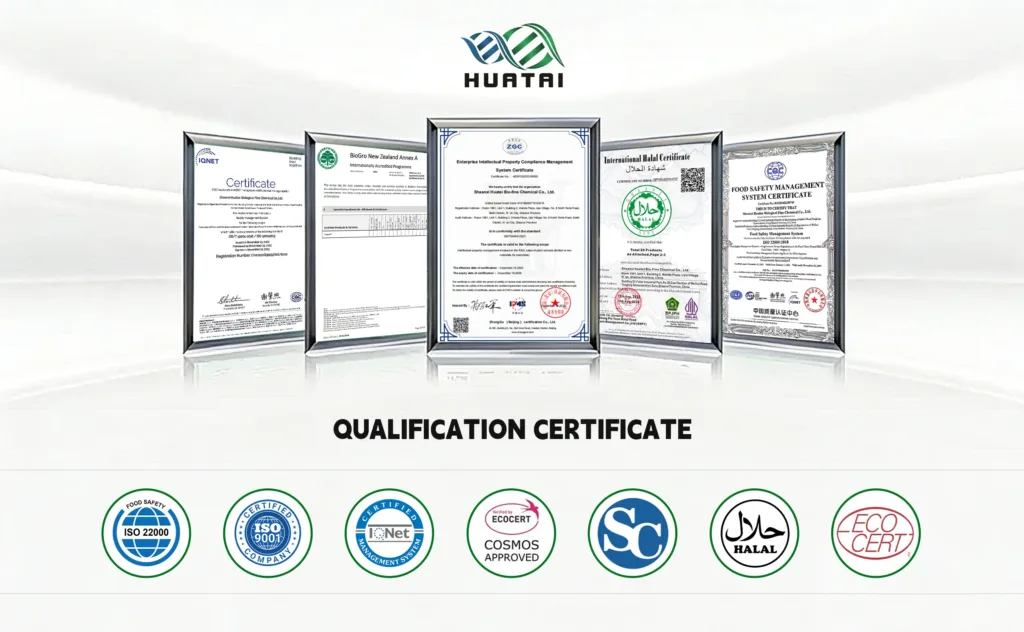
Uncompromising Quality & Credibility:We ensure every batch of our Active skincare ingredients meets rigorous quality standards, including COSMOS, ISO 9001/22000, and HALAL Certification. This commitment, backed by a complete Technical Dossier, offers clinically-backed solutions and guaranteed compliance for every formulation challenge.

Laissez un message