
What are the cosmetic benefits and formulation applications of Kojic Acid in skincare?
Kojic acid is far more than a “whitening” trend. For formulators and cosmetic chemists, it represents a precise, scientifically backed tool for managing hyperpigmentation at the cellular level [1.1.2, 1.4.3]. Derived naturally through the fermentation of rice by fungi such as Aspergillus oryzae, this compound provides a targeted approach to skin brightening without the cytotoxic risks associated with more aggressive bleaching agents [1.1.2, 1.2.2, 1.4.3].
The Science of Melanin Inhibition
At its core, kojic acid functions as a slow-binding, non-cytotoxic inhibitor of tyrosinase, the rate-limiting copper-containing enzyme responsible for melanin biosynthesis [1.1.1, 1.4.1, 1.4.3]. By chelating copper ions within the enzyme’s active site, kojic acid effectively blocks the conversion of L-tyrosine to melanin [1.2.1, 1.4.1, 1.4.3]. This targeted mechanism makes it exceptionally effective for addressing:
- Solar Lentigines (Sun Spots): Lightening visible sun damage [1.1.1, 1.4.1].
- Melasma: Managing complex hormonal pigmentation [1.1.2, 1.4.2].
- Post-Inflammatory Hyperpigmentation (PIH): Fading dark marks left by acne or injury [1.1.2, 1.4.2].
Technical Formulation Considerations
Formulating with kojic acid requires attention to its chemical nature. It is water-soluble, but its tendency to oxidize over time poses a significant challenge for product aesthetics [1.2.2].
Formulation Best Practices:
- Stability Management: Kojic acid oxidizes easily when exposed to light or high temperatures [1.2.2]. Avoid adding it to hot water phases (>40°C) [1.2.2]. Incorporate antioxidants such as Vitamin E (tocopherol), ferulic acid, or BHT to prevent oxidative degradation [1.1.3, 1.2.2].
- Optimal pH: Maintain the final formula pH within a stable, effective range (typically 4.0–6.0) to balance efficacy with skin compatibility [1.4.1].
- Synergy: Kojic acid performs best in multi-active systems. It is highly compatible with Vitamin C (antioxidant defense), glycolic acid (enhanced penetration via exfoliation), and niacinamide (anti-inflammatory support) [1.1.1, 1.4.3].
- Packaging: Use airless pumps or opaque packaging to minimize oxygen and light exposure, significantly extending the shelf life of the active [1.3.2].
Standard Industry Specifications
When sourcing kojic acid, manufacturers should ensure high-purity grades to guarantee both performance and safety.
| Parameter | Industry Standard Specification |
| Purity (Assay) | ≥99.0% (HPLC) |
| Appearance | Off-white to white crystalline powder |
| Melting Point | 152–155°C |
| Heavy Metals | ≤10 ppm |
| Solubility | Soluble in water, ethanol, and propylene glycol |
Clinical Efficacy & Safety
Clinical research consistently supports the use of kojic acid at concentrations between 1% and 2% for optimal brightening results [1.4.1, 1.4.3]. While mild irritation is possible, particularly in sensitive skin, it is largely considered a safe, long-term option for hyperpigmentation management [1.1.1, 1.4.2].
- Timeline to Results: Users typically observe smoother texture in 2–4 weeks, with significant reduction in hyperpigmentation appearing between 6–12 weeks of consistent daily use [1.4.3].
- The “Sunscreen Rule”: Kojic acid inhibits melanin, which is the skin’s natural defense against UV. Daily use of broad-spectrum SPF 30+ is not just recommended—it is essential to prevent rebound pigmentation and maximize treatment efficacy [1.1.1, 1.3.2, 1.4.1].
Summary for Formulators
Kojic acid remains a cornerstone of dermatological skincare because it is effective, well-researched, and highly compatible with other modern actives [1.1.2, 1.4.3]. By focusing on proper stabilization techniques and high-purity sourcing, you can create brightening formulations that deliver visible, reliable results for a wide variety of skin concerns.
References Consulted:
- Healthline. (2024). Kojic Acid: Side Effects and Benefits.
- Neolayr Pro. (2024). 7 Proven Effects of Kojic Acid Benefits for Skin.
- Essentially Natural. (2024). Formulating With Kojic Acid.
- Sigma-Aldrich. (2024). Kojic acid analytical standard 501-30-4.
- MakingCosmetics. (2024). Fact Sheet: Kojic Acid.
- ResearchGate. (2024). Revolutionizing Hyperpigmentation Solutions: Formulation and Characterization of Kojic Acid Gel.
- SheCARE. (2024). Kojic acid effects: What can this natural skin brightener really do?
- Clinikally. (2024). Impact of Kojic Acid on Skin: Its Benefits & Side Effects.
Empower Your Skin Science: Develop Next-Generation Formulations with Our Premium Active Ingredients.
Why choose us
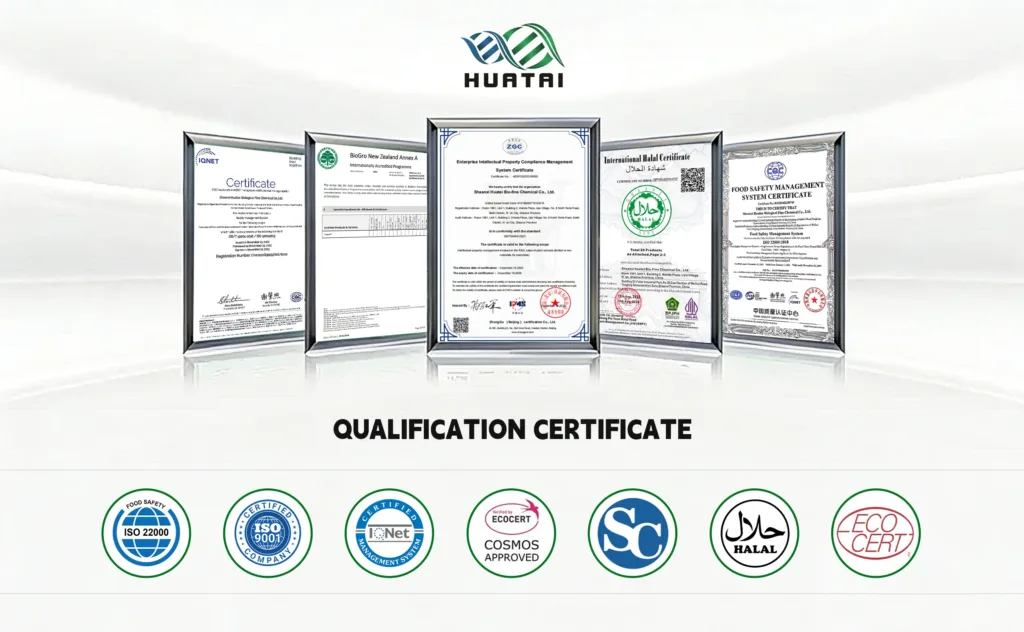
Huatai Bio provides a comprehensive portfolio of high-efficacy cosmetic active ingredients, empowering global brands to create next-generation skincare formulations for high-end skincare formulation needs.
Comprehensive Solutions & Innovation: Our categories cover the full spectrum of market requirements: Anti-aging & Firming, Oil-Control & Anti-acne, Anti-inflammatory & Soothing,Antioxidant Defense, Brightening,and Hydration & Barrier Repair.We offer both established classics and cutting-edge actives.
Driven by a passion for scientific excellence, our state-of-the-art R&D laboratory is dedicated to exploring the frontier of bio-active molecules. Beyond supplying ingredients, we offer end-to-end formulation consultancy and customized solution development. Our team of expert chemists works closely with your brand to overcome complex stability issues and sensory challenges, ensuring your final product stands out in a competitive global market.
Uncompromising Quality & Credibility:We ensure every batch of our Active skincare ingredients meets rigorous quality standards, including COSMOS, ISO 9001/22000, and HALAL Certification. This commitment, backed by a complete Technical Dossier, offers clinically-backed solutions and guaranteed compliance for every formulation challenge.


 English
 German
 Italian
 French
 Spanish
 Japanese
 Korean
 Russian