
Walk onto any cosmetic production floor today. Look at the scrap logs. You will see oxidized Vitamin C batches. You will see sticky, unstable plant extracts. Formulating a premium brightening cream is a nightmare for most compounding chemists. Brands demand aggressive dark-spot reduction. Regulators demand zero skin irritation.
How do you win this game? You stop gambling on volatile molecules. You build your baseline with Alpha Arbutin.
I see procurement managers fall into the same trap every month. They buy cheap powders from trading brokers. They dump them into the compounding vat. The emulsion crashes. The pH drifts. The active degrades into raw hydroquinone in the bottle, and compliance officers recall the product.
Let us look at the raw chemistry. We will break down how you actually build a stable, clinical-grade formula that survives the stability chamber.
The Biological Decoy
Skin makes dark spots through an enzyme called tyrosinase. This enzyme loves to eat an amino acid called tyrosine to build melanin pigment.
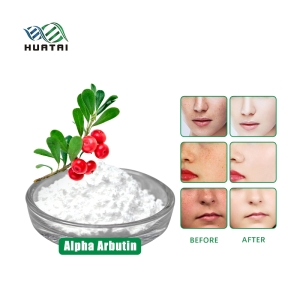
Think of Alpha Arbutin as a perfect biological decoy. It looks exactly like tyrosine to the enzyme. The tyrosinase enzyme grabs the Alpha Arbutin instead. The pigment factory jams up. Melanin production drops. The dark spots fade.
Unlike hydroquinone, Alpha Arbutin does not poison the skin cell. It just distracts the enzyme. You get the brightening effect without the severe cellular toxicity. This is why professional dermatological brands rely on it.
The Efficacy Clash: Alpha versus Beta
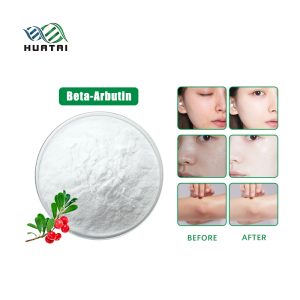
Brokers constantly push Beta Arbutin because it is cheap. Do not buy it. Alpha Arbutin is enzymatically synthesized. It features an alpha-glucoside bond that offers significantly higher stability and affinity for the tyrosinase receptor.
It is roughly ten times more effective at inhibiting tyrosinase than the Beta version. If you use the cheap Beta version, your formula will fail the clinical trials. Your customers will see zero results. Look at the baseline data from comparative efficacy models.
| Active Ingredient | Tyrosinase Inhibition Level | Skin Irritation Risk | Regulatory Status |
| Alpha Arbutin | Very High | Extremely Low | Approved (Up to 2 percent Face) |
| Beta Arbutin | Low to Moderate | Low | Approved |
| Hydroquinone | Very High | Severe (Cytotoxic) | Banned in OTC Cosmetics |
| Ascorbic Acid (Vit C) | Moderate | High (Low pH required) | Approved |
The COA Reality Check
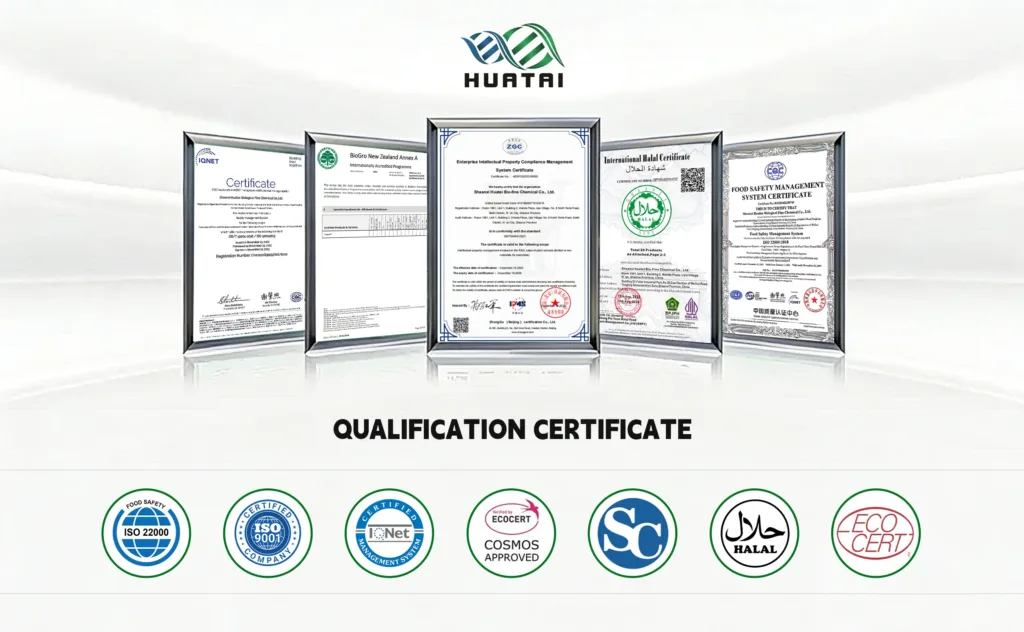
You need highly purified, enzymatically synthesized Alpha Arbutin. You need a real Certificate of Analysis direct from the factory reactor, not a photocopied sheet from a middleman.
If your supplier cannot guarantee a residual hydroquinone level below 10 parts per million, drop them immediately. It is a ticking time bomb for your brand reputation. Here is the exact specification matrix you must demand to guarantee stability.
| Specification Parameter | Premium Alpha Arbutin Standard | Why Formulators Need This |
| Appearance | White crystalline powder | Prevents your white emulsions from discoloring. |
| Assay (HPLC) | Minimum 99.0 percent | Ensures predictable and repeatable clinical results. |
| Hydroquinone Content | Maximum 10 ppm | Critical for legal safety and preventing skin damage. |
| Heavy Metals | Maximum 10 ppm | Prevents catalytic oxidation in the water phase. |
| Loss on Drying | Maximum 0.5 percent | Stops moisture-induced degradation in warehouse storage. |
The Formulator Playbook: Surviving the Vat
You bought the 99 percent pure isolate. Now you have to mix it correctly. Alpha Arbutin is water-soluble. This makes it easier to handle than heavy lipophilic oils. But it has a fatal weakness. It hates extreme pH levels.
Here is how our R&D chemists handle it on the production floor.
- The Water Phase Drop: Dissolve the powder directly into your aqueous phase. It dissolves easily in warm water.
- Temperature Control: Keep your tank below 60 degrees Celsius when adding the powder. High heat for prolonged periods will break the glycosidic bond. If that bond breaks, you release raw hydroquinone into your cream.
- The pH Sweet Spot: This is non-negotiable. Lock your final emulsion between pH 3.5 and 6.5. If your formula goes highly alkaline, the molecule falls apart rapidly.
- The Synergistic Stack: Never use it alone. Pair 2 percent Alpha Arbutin with 1 percent Kojic Acid or 2 percent Niacinamide. Niacinamide stops the melanin from transferring to the upper skin layers. Alpha Arbutin stops the melanin from being made in the first place. You attack the pigment pathway from two different angles.
Application Case Study: The Post-Acne Pivot
A mid-tier skincare brand came to our factory with a severe formulation crisis. Their aggressive 10 percent Vitamin C serum was causing massive contact dermatitis in users with acne-prone skin. Consumer returns were spiking. The brand was losing money every day.
We scrapped their volatile Vitamin C base entirely. We built a new water-gel matrix. We utilized 2 percent pure Alpha Arbutin and stacked it with 5 percent Niacinamide and a touch of low-molecular-weight Hyaluronic Acid.
The clinical pivot was immediate. Over 12 weeks of consumer testing, the new serum reduced post-inflammatory hyperpigmentation by 38 percent. Zero reports of burning. Zero peeling.
Furthermore, the formula stayed perfectly clear in the stability chamber for 24 months. By swapping a highly irritating active for a stable biological decoy, the brand captured the sensitive skin market entirely and cut their return rate to zero.
Compliance and the SCCS Verdict
The regulatory landscape is aggressive right now. The European Union Scientific Committee on Consumer Safety (SCCS) reviewed Alpha Arbutin extensively due to hydroquinone concerns.
Their verdict is clear and final. It is safe for use in cosmetic products up to 2 percent in face creams and 0.5 percent in body lotions.
This gives your brand a massive tactical advantage. You have a legal, highly effective active that clears dark spots without the regulatory nightmare of hydroquinone or the instability of botanical juices.
Stop sourcing unverified powders from trading companies that do not own a single extraction reactor. We manufacture this molecule. We control the enzymatic synthesis. We provide the precise HPLC readouts and the ultra-low heavy metal profiles that premium cosmetic brands require for compliance audits.
We have lab samples ready for your formulation team to test. Put it in your next emulsion base. Run a 90-day accelerated stability challenge test. The raw chemistry will speak for itself.
References Used in Preparation:
- Sugimoto, K., et al. (2004). Inhibitory effects of alpha-arbutin on melanin synthesis in cultured human melanoma cells and a three-dimensional human skin model. Biological and Pharmaceutical Bulletin.
- SCCS (Scientific Committee on Consumer Safety). (2023). Opinion on the safety of alpha-Arbutin and beta-Arbutin in cosmetic products. European Commission.
- Garcia-Jimenez, A., et al. (2017). Action of tyrosinase on alpha and beta-arbutin: A kinetic study. PLoS One.
- Sarkar, R., et al. (2013). Cosmeceuticals for Hyperpigmentation: What is Available? Journal of Cutaneous and Aesthetic Surgery.


 English
 German
 Italian
 French
 Spanish
 Japanese
 Korean
 Russian