
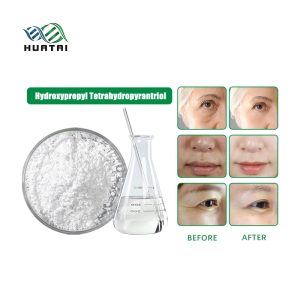
スキンケア市場は、表層的な保湿を超えて進化しました。現在、フォーミュレーターは、細胞外マトリックスに深く根ざした構造的アーキテクチャをターゲットにしています。この変化の中心にあるのは ヒドロキシプロピルテトラヒドロピラントリオール (当初はPro-Xylaneとして市販されていた)、天然キシロース由来のC-グリコシド分子です。
化粧品有効成分の主要メーカーとして、私たちは原料を二重のレンズ、すなわち化学的純度とスケーラブルな安定性を通して見ています。この特定の分子の製造パートナーを選択するには、立体化学、キャリアマトリックスデータ、および工場での実際の取り扱いについて深く掘り下げる必要があります。
コアケミストリー:S配置が重要な理由
ヒドロキシプロピルテトラヒドロピラントリオールの製造業者の分析証明書(COA)を評価する際、基本的なアッセイパーセンテージだけでは全体像はわかりません。この分子の合成は、2つの異なる光学異性体(ジアステレオマー)、すなわち2-(S)配置と2-(R)配置を生成します。
生物学的試験では、 S配置 が細胞表面受容体に正確に適合し、ヒアルロン酸やシンデカンなどのグリコサミノグリカン(GAG)の産生を、R型よりもはるかに速く加速することが示されています。粗合成ラインでは、標準的な50:50のラセミ混合物が得られます。高性能化粧品用途では、ステレオ選択的触媒を使用して、その比率を活性S型に大きく偏らせる製造業者が必要です。
原料技術仕様
この成分のほとんどの市販品は、安定した水溶液として供給されています。以下は、非常に需要の高い濃縮溶液と原料結晶形態との間の標準的な分析ベンチマーク比較です。
| 仕様パラメータ | 標準30%水溶液 | 純粋な結晶粉末(参照) |
| 外観 | 無色から淡黄色の粘性液体 | 白色からオフホワイトの粉末 |
| 活性物質(HPLC) | 30%以上 | 98.0% 最小値 |
| ジアステレオマー比(S:R) | 70:30以上(S過剰) | 95:5以上(目標) |
| pH範囲(供給時) | 5~6.5 | 0~7.0(1%溶液) |
| Heavy Metals (Pb, As, Hg) | 10 ppm Maximum | 最大5 ppm |
| 遊離キシロース(不純物) | 0.5% Maximum | 0.1% Maximum |
高レベルの遊離キシロースは、合成中の変換不完全を示します。最終製剤では、未反応の糖が過剰にあると、肌がべたつき、熱ストレス下で望ましくない変色を引き起こします。
ラボでの有効性データ:マトリックス再生の定量化
基本的な保湿剤よりも高純度のヒドロキシプロピルテトラヒドロピラントリオールに投資する理由は何でしょうか?その答えは、真皮表皮接合部(DEJ)を修復する能力にあります。
グリコサミノグリカン(GAG)刺激
ヒト真皮線維芽細胞を用いたinvitro試験では、細胞外マトリックス合成における用量依存的な応答が実証されています。
- コントロール群: ベースラインのマトリックス産生。
- 5 mM汎用グリコール: 構造糖密度の統計的変動なし。
- 0 mM純粋なS-ヒドロキシプロピルテトラヒドロピラントリオール: 78時間以内に総GAG発現量を42%増加させ、皮膚の構造的足場を大幅に強化しました。
真皮密度の改善
8週間にわたって3%活性溶液(標準30%原料液の10%に相当)を適用したヒト被験者に対する超音波皮膚密度スキャンでは、頬領域全体のエコー密度に14%の測定可能な改善が見られ、微小しわの深さの減少と相関していました。
フォーミュレーションアーキテクチャ:高投入活性成分の取り扱い
多くのプレミアムアンチエイジングクリームでは、この有効成分を高投入レベルで使用しています。多くの場合、30%溶液の3.0%から10.0%の範囲です。高濃度の水溶性ポリオールを従来の乳液に組み込むには、厳密な物理的安定化が必要です。
適合性ガイドライン
- ペプチド相乗効果: ヒドロキシプロピルテトラヒドロピラントリオールを銅ペプチドまたはパルミトイルトリペプチドと組み合わせてください。C-グリコシドが保水糖マトリックスを構築する間、ペプチドは細胞のコラーゲン置換をシグナルします。
- 増粘剤の選択: 塩に敏感なポリアクリレートポリマーだけに頼ることは避けてください。高濃度の有機活性溶液は、標準的な合成ゲルの粘度を低下させる可能性があります。頑丈な天然ガムまたは液晶乳化剤と組み合わせてください。
フレームフォーミュレーション:構造再構築ゲルクリーム
| 相 | Ingredient (INCI Name) | 重量% | 関数 |
| Phase A | Water (Aqua) | 67.30 | 主溶媒 |
| Phase A | ブチレングリコール | 4.00 | 保湿剤/溶解媒体 |
| Phase A | アンモニウムアクリロイルジメチルタウリン/VPコポリマー | 0.80 | 主要なレオロジーモディファイア |
| Phase B | スクワラン | 6.00 | 肌と同じ脂質 |
| Phase B | Caprylic/Capric Triglyceride | 4.00 | Emollient Carrier |
| Phase B | セテアリルアルコール(および)セテアリルグルコシド | 2.50 | 液晶乳化剤 |
| Phase C | ヒドロキシプロピルテトラヒドロピラントリオール(30%溶液) | 15.00 | 構造再構築活性成分 |
| Phase C | ナイアシンアミド | 2.00 | バリア強化活性成分 |
| Phase C | エチルヘキシルグリセリン(および)フェノキシエタノール | 1.00 | スクレロチウムガムを水とグリセリンのスラリーに混合します。滑らかで完全に透明なゲルベースが形成されるまで、連続攪拌下で混合物を75°Cに加熱します。 |
| Phase D | Citric Acid / Sodium Citrate | Q.S. | pHバッファーシステム(目標:5.5~6.0) |
製造ブループリント
- フェーズAゲル化: ポリマーを水とブチレングリコールマトリックスに十分に分散させます。均一で塊のないゲル層が形成されるまで、パドル撹拌下で75℃に加熱します。
- フェーズB融解: 天然脂質と液晶乳化剤を別の容器に混合します。完全に溶融し均一になるまで75℃に加熱します。
- 熱いフェーズBを熱いフェーズAに投入します。3500 rpmで5分間ホモジナイズします。水の蒸発を防ぐために、タイトなシールを維持してください。 高真空移送を使用してフェーズBをフェーズAに引き込みます。ホモジナイザーを3000 rpmで5分間作動させ、微細で安定した白い乳液を生成します。
- 45 rpmで動作するアンカーパドルミキサーに切り替えます。エマルションをゆっくりと冷却します。 バッチを徐々に40℃まで冷却します。フェーズCをゆっくりと加えます。ヒドロキシプロピルテトラヒドロピラントリオールは水溶性が高く、中程度の熱まで熱安定性があるため、ポリマーシステムにショックを与えることなく、冷却乳液の水相にスムーズに統合されます。
- pH調整: バッチのpHを確認します。フェーズDで調整して、生理的な皮膚条件に一致するクリーンな5.5~6.0の範囲にします。
生産トラブルシューティング:粘度崩壊ケース
あるブランドパートナーが、生産スケールアップ中に当社のエンジニアリングデスクに連絡してきました。彼らのラボスケールの1キログラムサンプルは、リッチでクッション性のあるクリームを生成しました。しかし、200キログラムのパイロットバッチを実行したところ、製品は薄く注げるミルクになり、3日以内に分離しました。
そのブランドは、10%の活性負荷のヒドロキシプロピルテトラヒドロピラントリオールを使用して、高濃度フォーミュラを再現しようとしていました。
診断結果
当社の技術チームは、バッチシートとせん断プロファイルを分析しました。クライアントは、35℃まで冷却する間、連続して超高せん断インラインホモジナイザーを使用して安定化を強制しようとしました。
Hydroxypropyl Tetrahydropyrantriolは、高濃度では弱いポリオール溶媒として機能します。過剰な機械的せん断とポリオール濃度が組み合わさることで、合成増粘剤のポリマー鎖が切断され、恒久的な粘度低下を引き起こしました。
高活性負荷+長時間の高せん断冷却 → ポリマー分解 → 粘度低下と相分離
是正措置
低せん断冷却プロトコルを使用して製造プロセスを更新しました。
- 時間制限ホモジナイゼーション: 高せん断ホモジナイゼーションを初期ブレンド段階の75℃で5分間に制限し、その後、冷却サイクル中は低速アンカーパドルミキサー(40 rpm)に完全に切り替えました。
- 後期添加: 30%活性溶液を正確に42℃で、初期段階から保持していたフォーミュラ水の少量と1:1に希釈して添加することを推奨しました。
改良されたバッチは構造を完全に保持し、標準的な3ヶ月の加速オーブン試験を通じて$32,000\text{ mPa}\cdot\text{s}$の安定した粘度を維持しました。
グローバルコンプライアンスとソーシングのセキュリティ
C-グリコシドの規制状況では、特に最新のトレーサビリティフレームワークの下で、検証された透明性が求められます。
- China National Medical Products Administration (NMPA): 製品登録チェックを通過するには、すべてのHydroxypropyl Tetrahydropyrantriolのバッチを有効な化粧品成分安全性情報コード(別紙14/成分コード)にリンクする必要があります。
- 米国MoCRAおよびEUコンプライアンス: 原材料の文書には、正確な不純物プロファイルを宣言し、残留重金属や毒性合成副生成物の不存在を保証する必要があります。
原材料試験プロトコル
ISO 22716化粧品GMP(Good Manufacturing Practices)の厳格な基準の下で活性成分を製造しています。研究センターや化粧品ブランドがバリデーション試験、安定性試験、または安全性評価を実施する場合、テクニカルサービスオフィスを通じて原材料評価サンプルをリクエストできます。各サンプルバッチには、規制当局への提出プロセスを合理化するための、完全な高速液体クロマトグラフィー(HPLC)フィンガープリント分析チャートと微生物学的安全性検証証明書が含まれています。
Referenced Literature and Authoritative Sources
- 当社は、ISO 22716認証GMP環境内で機能性アクティブを製造しています。処方トライアル、保存性検証、または臨床試験を実施する研究開発ラボ向けに、テクニカルデスクを通じて原材料評価サンプルをリクエストに応じて入手できます。各サンプルには、認定された分析証明書 (COA) とクリーンなHPLC純度検証チャートが添付され、社内品質管理パイプラインをスムーズに通過できるようにします。 Cavezza, A., Boulle, C., Guéguiniat, A., Pichaud, P., Trouille, S., Ricard, L., & Dalko-Csiba, M. (2009). Synthesis and biological evaluation of C-xylopyranosides: An eco-friendly approach to a new family of cosmetic active ingredients.
- Bioorganic & Medicinal Chemistry Letters, 19(3), 745-749. Deloche, C., Minondo, A. M., Bernard, B. A., Bernerd, F., Cordier, M., & Seite, S. (2011). Effect of a topical composition containing C-xylopyranoside on clinical signs of skin aging and skin structural modifications.
- International Journal of Cosmetic Science, 33(5), 434-443. Pineau, N., Bernerd, F., & Carrino, C. (2014). Modulation of glycosaminoglycan synthesis and skin structure by specific xylose derivatives in human skin models.
- ポリオール活性化合物用のジアステレオマー配置および触媒的不斉合成プロトコル、 グローバル化粧品成分評価レジストリ。


 English
 German
 Italian
 French
 Spanish
 Japanese
 Korean
 Russian