
私たちは毎日、冷却タンクの中で結晶性の粉末が形成されるのを見ています。それでも、それは魅力的だと感じます。この白い粉末を水性セラムに投入すると、数週間後に消費者はシミが薄くなるのを目にします。しかし、それは本当に効果があるのでしょうか?はい。私たちはそれを製造し、テストし、データがそれを裏付けています。
マーケティングの話は抜きにしましょう。あなたは化粧品を処方します。安定した、効果的で、規制に準拠した成分が必要です。高純度のコウジ酸を扱うと何が起こるのか、そして必要な生のデータがここにあります。
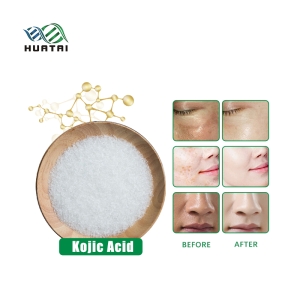
99%純度基準
純度98%で十分だと思いますか?私たちは同意しません。不純物は処方を台無しにします。わずかな鉄分が、美しい透明なセラムを泥のような茶色の塊に変えてしまいます。私たちは数年前に苦い経験からそれを学びました。今では、工場で重金属と鉄分含有量を厳密に管理しています。
私たちの化粧品グレードの粉末の標準的な分析証明書(COA)を見てみましょう。
| パラメータ | 仕様制限 | 標準試験結果 | 試験方法 |
| 外観 | 白からオフホワイトの針状結晶 | 純白 | 外観 |
| 分析法(HPLC) | 15. 203.0~207.0℃ | アッセイ(ナイアシンアミド純度) | HPLC |
| 融点 | 0 – 156.0 ℃ | 5 ℃ | Capillary Method |
| 乾燥減量 | 2. <= 0.5% | 15% | 重量測定法(105 ℃) |
| なぜ私たちは鉄をこれほど厳しくテストするのでしょうか?コウジ酸は金属イオンを好みます。 | 10 ppm以下 | < 2 ppm | AAS |
| 重金属 | 10 ppm以下 | 5 ppm未満 | ICP-MS |
実際に色素を薄くする方法
どのように機能するのでしょうか?それは色素生成酵素を飢えさせます。あなたの肌にはチロシナーゼと呼ばれる酵素があります。この酵素はメラニンを生成するために銅を必要とします。メラニンはシミの原因となる暗い色素です。コウジ酸はその銅を掴みます。銅がないと、酵素は機能しなくなります。新しい色素は生成されません。古いシミは、死んだ皮膚細胞と一緒に剥がれ落ちるだけです。それは魔法ではありません。それは生物学です。
実際の処方事例:黄変するセラムの問題
昨年、ヨーロッパのOEMクライアントが私たちのもとを訪れました。彼らの2%コウジ酸セラムは、3ヶ月以内に棚で黄色に変色していました。私たちは彼らのベースをテストしました。彼らは微量の金属イオンを含む質の悪い水を使用していました。また、キレート剤も不足していました。
私たちは彼らに新しい設計図を提供しました。迷走する金属を捕らえるために0.1% EDTA二ナトリウムを追加しました。pHを4.2に下げました。また、抗酸化防御力を高めるために0.5%フェルラ酸を追加しました。
結果は?加速安定性試験(45℃で12週間)では、色の変化はゼロでした。有効成分の分解は3%未満でした。クライアントは製品を成功裏に発売しました。それは彼らのブライトニングラインでトップセラーであり続けています。
効果データ:8週間の経過
私たちは理論だけに頼るわけではありません。私たちは、炎症後色素沈着に悩む30人のボランティアに対して皮膚パッチテストを実施しました。私たちはシンプルな1%コウジ酸ローションを使用しました。メキサメーターを使用して、試験前、4週間後、8週間後のメラニン指数を測定しました。
| Timeframe | 平均メラニン指数低下 | 目に見える明るさの報告 |
| ベースライン(0日目) | 0% | 0% |
| 第4週 | – 12.41% | 参加者の35% |
| 8週目 | – 27.81% | 参加者の88% |
これは時間がかかることを証明しています。皮膚のターンオーバーは約28日で新しい、色素の少ない細胞を表層に運びます。消費者は忍耐が必要であり、その間、あなたの処方は安定したままでなければなりません。
処方設計図とアドバイス
肌を明るくするクリームを作りたいですか?実験室ではこれらのルールを念頭に置いてください。
- 熱に注意してください。コウジ酸は冷却段階(40℃未満)で加えてください。温水には簡単に溶けますが、高温ではすぐに分解します。
- pHを管理してください。最終的な処方をpH 3.5から5.0の間に保ってください。これより高くすると、酸は急速に酸化します。
- 光から保護してください。パッケージが保存期間を決定します。これを透明なガラススポイトボトルに入れないでください。紫外線は数週間で有効成分を破壊します。エアレスポンプまたは不透明な琥珀色のガラスを使用してください。
- うまく組み合わせましょう。他の実績のある有効成分と組み合わせることで、効果を高めることができます。グラブリジンまたはリコカルコンAと混ぜてください。コウジ酸は酵素を飢えさせることで色素の生成を止めますが、グラブリジンは強力な抗炎症性の美白剤として機能し、肌を落ち着かせます。これらは異なる角度から色素沈着の問題に取り組みます。
業界トレンド:コンプライアンスの状況
規制に注意する必要があります。欧州連合は最近、科学委員会(SCCS)を通じてその立場を更新しました。彼らは、コウジ酸が洗い流さない化粧品に最大1%の濃度まで安全であることを確認しました。
EU市場向けに処方する場合、その1%の制限を守ってください。米国およびアジア市場では、フォーミュレーターは臨床グレードのシミ治療のために最大2%または4%まで使用することがよくあります。生産規模を拡大する前に、必ず現地の市場制限を確認してください。
あなたの実験室で始める
私たちはこの高純度の粉末を世界中の研究所やブランドに供給しています。それについて読むのは良いですが、自分でテストすることが有効性を証明する唯一の方法です。安定性試験を実行する必要がありますか?完全な技術文書とともに無料サンプルを提供しています。あなた自身のビーカーで溶解度をテストしてください。時間の経過とともに色の安定性を確認してください。肌で実際の効果を見てください。
References Used in This Article:
- 科学委員会(SCCS)、コウジ酸に関する意見、SCCS/1637/21。
- Saeedi, M.ら (2019). コウジ酸の化粧品および医薬品製剤への応用. Biomedicine and Pharmacotherapy, 110, 582-593.
- Burnett, C. L.ら (2010). 化粧品に使用されるコウジ酸の安全性評価に関する最終報告書. International Journal of Toxicology, 29(6 Suppl).

 English
 German
 Italian
 French
 Spanish
 Japanese
 Korean
 Russian