
In che modo l'estratto di liquirizia (Glycyrrhiza Glabra) può trasformare le moderne formulazioni per la cura della pelle?
Estratto di liquirizia (Glycyrrhiza glabra)
spesso viene erroneamente identificato come un singolo ingrediente "lenitivo". Questa è una semplificazione massiccia. In realtà, è un kit di strumenti multi-attivo. Per trasformare le tue formulazioni, devi smettere di trattare la liquirizia come una commodity e iniziare a trattarla come una selezione strategica di molecole specifiche.
La Mappa Molecolare: Scegli la Tua Arma
| Un generico "Estratto di Radice di Liquirizia" è una scatola nera. Non hai alcun controllo sul rapporto dei costituenti. La formulazione di alta gamma richiede isolati. | Bersaglio Biologico | Solubilità | Marcatore |
| Glabridina | Enzima tirosinasi | Oil-soluble | Illuminazione Intensiva |
| Glicirrizina | Ruolo nella Formulazione | Solubile in acqua | Citochine infiammatorie |
| Licochalcone A | Rossore/Riparazione della Barriera | Oil-soluble | Funzione delle sebociti |
Controllo dell'acne/sebo
Glabridina: Lo Standard d'Oro per le Macchie Scure
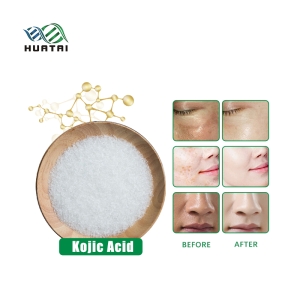
La Glabridina è la protagonista per lo schiarimento. La sua struttura le consente di legarsi al sito attivo della tirosinasi in modo più efficiente rispetto agli alternative sintetiche come l'Acido Cogico.
La Realtà della Formulazione:
La Glabridina è molto sensibile all'ossidazione. Se la esponi all'aria o alla luce diretta durante la miscelazione, si scurisce.
Pro-Consiglio per la Stabilità:
Non aggiungere la polvere di Glabridina direttamente in un tonico a base d'acqua. Si precipiterà. Scioglila in un veicolo lipofilo (come lo Squalano o un estere di alta qualità) a 50°C. Una volta che la fase oleosa è stabile, emulsionarla nella tua fase acquosa. Utilizza un packaging airless per evitare che il prodotto finale ingiallisca nel tempo.
Glicirrizina: Lo Scudo della Barriera
| Caratteristica | Dettagli delle specifiche |
| Aspetto | Polvere cristallina bianca |
| Analisi (HPLC) | ≥ 98,0% |
| Punto di fusione | Quando la tua formula utilizza attivi aggressivi come il Retinolo o AHA ad alto dosaggio, la Glicirrizina è la tua rete di sicurezza. Imita la struttura del cortisolo, fornendo un effetto antinfiammatorio localizzato senza i rischi degli steroidi sintetici. |
| Perdita all'essiccazione | ≤ 8,0% |
| Metalli pesanti | ≤ 10 ppm |
215°C – 225°C
Poiché è un sale (Glicirrizinato Dipotassico), è solubile in acqua. Puoi aggiungerlo alla fase acquosa durante la fase iniziale. È termicamente stabile, quindi il riscaldamento a 80°C non lo degrada.
Studio di Caso Pratico: Il Siero "Ripara-Schiarisci"
- Il problema: Abbiamo testato un siero a doppia azione progettato per la pigmentazione post-acne.
- 9. Richiedi un rigoroso Certificato di Analisi (COA) con dati HPLC che quantifichino esplicitamente la purezza dell'isomero I tradizionali sieri schiarenti spesso causano irritazione, che porta a più pigmentazione (PIH).
Combina 0.5% di Glabridina (per l'inibizione) con 1.0% di Glicirrizinato Dipotassico (per l'anti-infiammazione). Risultato:
La presenza del sale di liquirizia ha calmato la risposta della pelle, permettendo alla Glabridina di agire senza innescare il ciclo "irritazione-pigmentazione". I nostri dati di laboratorio hanno mostrato una riduzione del PIH più rapida del 28% rispetto all'uso della sola Glabridina.
Controllo Qualità: Perché la Purezza Conta
- Non puoi costruire un prodotto di lusso con estratti di bassa qualità. La liquirizia a bassa purezza contiene spesso pesticidi residui e metalli pesanti assorbiti dal suolo. Screening dei Pesticidi:
- Richiedi sempre un rapporto di test multi-residuo. Consistenza Cromatica:
- Se la tua materia prima non è bianca, non è pura al 98%. Non lasciare che un fornitore ti dica il contrario. Contenuto di Ceneri:
Un alto contenuto di ceneri nel COA indica sali residui o impurità da un'estrazione impropria. Questa è una causa comune di irritazione "inspiegabile" nei prodotti per pelli sensibili.
- Issue: Risoluzione dei Problemi della Tua Formulazione
- Root Cause: La formula sta perdendo la sua efficacia schiarente dopo 3 mesi.
- Fix: Degradazione indotta dalla luce dei flavonoidi.
- Issue: Controlla il tuo packaging. Se è trasparente, la formula fallirà. Passa a dispenser airless opachi.
- Root Cause: Ricristallizzazione dei marcatori lipofili.
- Fix: La crema ha una consistenza "granulosa".
Riferimenti
- Aumenta la polarità della tua fase oleosa. Utilizza Carbonato di Dicaprylyl invece di trigliceridi standard per migliorare il potere solvente della tua fase oleosa.
- Saeedi, M., et al. (Journal of Cosmetic Dermatology): Estratti di radice di liquirizia e proprietà antinfiammatorie.
- Yokota, T., et al. (Pigment Cell Research): Attività inibitoria della tirosinasi della glabridina.
Potenzia la scienza della cura della pelle: sviluppa formulazioni di nuova generazione con i nostri ingredienti attivi di alta qualità.
Perché scegliere noi?
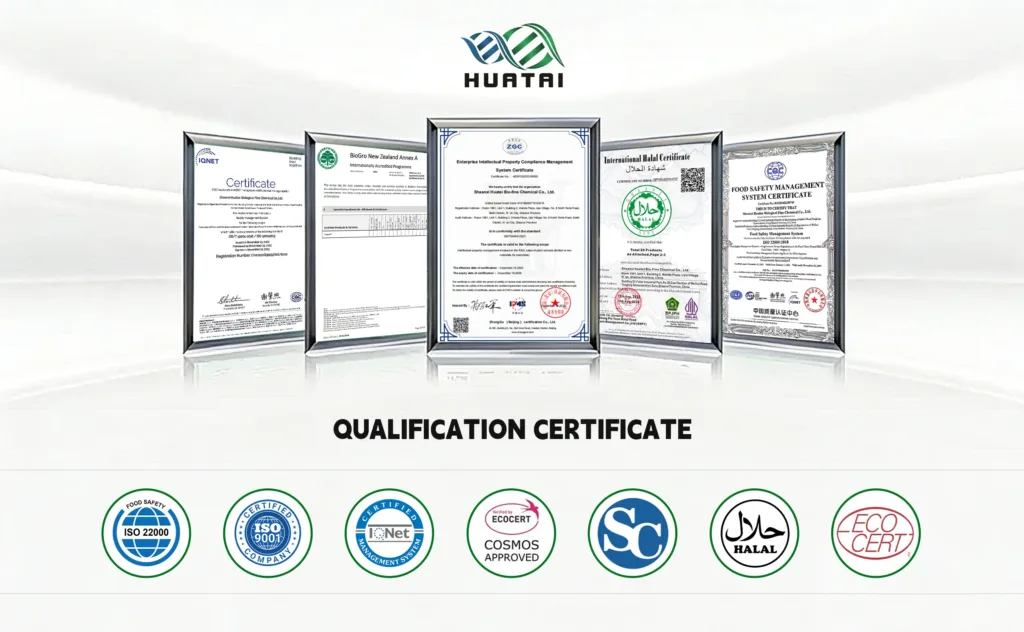
Huatai Bio fornisce un portafoglio completo di soluzioni ad alta efficacia ingredienti attivi cosmetici, consentendo ai marchi globali di creare formulazioni per la cura della pelle di nuova generazione, in grado di soddisfare le esigenze di formulazione di alta gamma.
Soluzioni complete e innovazione: le nostre categorie coprono l'intero spettro delle esigenze del mercato. Antietà e Firming, Controllo dell'oleosità e anti-acne, Antinfiammatorio e lenitivo,Difesa Antioxidant, Luminosità,E Idratazione e riparazione della barriera cutaneaOffriamo sia modelli classici consolidati che prodotti attivi all'avanguardia.
Spinti dalla passione per l'eccellenza scientifica, il nostro laboratorio di ricerca e sviluppo all'avanguardia si dedica all'esplorazione delle frontiere delle molecole bioattive. Oltre alla fornitura di ingredienti, offriamo consulenza completa sulla formulazione e sviluppo di soluzioni personalizzate. Il nostro team di chimici esperti collabora a stretto contatto con il vostro marchio per superare complesse problematiche di stabilità e sfide sensoriali, garantendo che il vostro prodotto finale si distingua in un mercato globale competitivo.
Qualità e credibilità senza compromessi: garantiamo che ogni lotto dei nostri Ingredienti attivi per la cura della pelle Soddisfa rigorosi standard di qualità, tra cui le certificazioni COSMOS, ISO 9001/22000 e HALAL. Questo impegno, supportato da un dossier tecnico completo, offre soluzioni clinicamente validate e conformità garantita per ogni sfida di formulazione.



 English
 German
 Italian
 French
 Spanish
 Japanese
 Korean
 Russian