왜 그렇게 많은 미백 세럼이 선반에 놓인 지 3개월 후에 갈색으로 변할까요? 저는 매주 화장품 브랜드의 안정성 보고서를 검토합니다. 대부분의 브랜드 소유자는 포장재를 탓합니다. 창고 온도를 탓합니다. 진짜 문제는 활성 성분입니다. 공격적인 미백제는 빠르게 산화됩니다. 피부 장벽을 자극합니다. 소비자는 실제 색소 침착 감소를 보기 전에 제품을 포기합니다.
멜라닌 생성을 억제하는 방법을 재고해야 합니다. 피부를 밝게 하기 위해 피부를 태우는 것을 멈추세요.
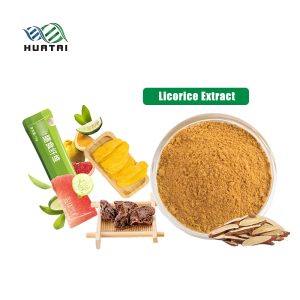
원료 생체에서 직접 활성 분자를 추출하는 제조업체로서, 실험실에서 실제로 효과가 있는 것과 마케팅 라벨에서 보기 좋은 것의 차이를 알 수 있습니다. 감초 추출물은 토너에 붓는 일반적인 식물성 차가 아닙니다. 핵심 활성 분자인 글라브리딘을 분리하면 색소 침착 감소를 위한 정밀 도구를 얻을 수 있습니다.
티로시나제 전투: 글라브리딘 대 코지산
실제 데이터를 살펴보겠습니다. 티로시나제 억제를 위한 업계 표준은 코지산입니다. 티로시나제는 멜라닌을 생성하는 효소입니다. 티로시나제를 차단하면 다크 스팟을 차단합니다.
직접 비교 IC50 실험을 실행했습니다. IC50은 반수 억제 농도를 의미합니다. 간단히 말해 멜라닌 생성 효소의 50%를 억제하기 위해 이 성분이 얼마나 필요한지를 의미합니다. 숫자가 낮을수록 좋습니다. 성분이 더 강력하다는 것을 의미합니다.
저희 실험실에서는 버섯 티로시나제를 기준 모델로 사용하여 순수 글라브리딘과 코지산을 비교 테스트했습니다.
| 활성 성분 | IC50 값 (ug/mL) | 상대적 효능 (코지산 대비) |
| 코지산 (대조군) | 9.14 | 1배 (기준) |
| 비타민 C (아스코르브산) | 50.0 + | 매우 약함 |
| 알파 아르부틴 | 약 24.0 | 보통의 |
| 글라브리딘 (90% 순도) | 0.43 | 약 21배 더 강력함 |
결과는 명확합니다. 코지산과 동일한 티로시나제 억제를 달성하기 위해 훨씬 적은 양의 글라브리딘이 필요합니다. 이것이 제형 개발자에게 왜 중요할까요? 활성 물질을 적게 사용합니다. 피부 민감성 위험을 줄입니다. 코지산은 효과적인 용량(1% ~ 2%)에서 종종 따끔거림과 홍반을 유발합니다. 글라브리딘은 피부 방어 시스템을 자극하지 않고 0.05% ~ 0.1%에서 백그라운드에서 작동합니다.
데이터 및 사양: 등급 파악하기
제형 개발자들이 일반 카탈로그에서 "감초 뿌리 추출물"을 구매하는 것을 자주 봅니다. 그런 다음 피부를 하얗게 만들지 않는다고 불평합니다. 일반 추출물은 대부분 당과 플라보노이드를 함유합니다. 글라브리딘은 거의 포함되어 있지 않습니다.
피부 미백을 원한다면 글라브리딘 함량을 명시해야 합니다. 저희는 두 가지 주요 화장품 등급을 생산합니다. 전 세계 OEM 제형 개발자에게 배치를 출시하는 데 사용하는 정확한 사양 데이터는 다음과 같습니다.
| 사양 매개변수 | 글라브리딘 40% (화장품 등급) | 글라브리딘 90% (고순도) |
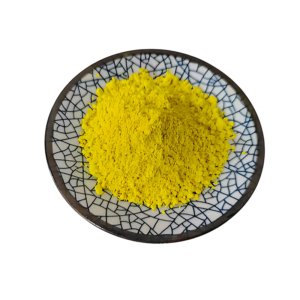
| 모습 | Brownish-yellow powder | 백색에서 옅은 노란색 분말 |
| Active Assay (HPLC) | 최소 40.0% | 최소 90.0% |
| 용해도 | 부틸렌 글리콜 / 프로필렌 글리콜에 용해됨 | 에탄올 / 부틸렌 글리콜에 용해됨 |
| Heavy Metals (Total) | 최대 10ppm | 최대 10ppm |
| 건조 감량 | 최대 5.0% | 최대 2.0% |
| 권장 사용법 | 05% – 0.2% | 0.01% – 0.05% |
40% 등급은 약간의 노란색 틴트가 허용되는 로션, 크림 및 일반적인 미백 제형에 사용하십시오. 90% 등급은 프리미엄, 순백색 에멀젼 또는 투명 오일 세럼에 사용하십시오.
제형 현실: 안정화 방법
데이터가 있습니다. 순수 물질이 있습니다. 이제 탱크에서 작동하도록 만들어야 합니다.
글라브리딘은 친유성이 매우 높습니다. 물을 싫어합니다. 이 분말을 물 상에 떨어뜨리면 떠서 뭉쳐서 배치를 망칠 것입니다. 감초 세럼 바닥에 짙은 갈색 반점이 있는 이유를 묻는 R&D 화학자가 몇 번이나 전화했는지 셀 수 없습니다.
사전 분산이 유일한 방법입니다. 에멀젼에 첨가하기 전에 글라브리딘 분말을 용매 상에 완전히 용해하십시오. 부틸렌 글리콜, 프로필렌 글리콜 또는 PEG-400을 권장합니다. 용매를 섭씨 40도로 가열하십시오. 액체가 완전히 투명해질 때까지 저어주십시오. 그런 다음 이 사전 혼합물을 오일 상 또는 에멀젼의 최종 냉각 단계에 도입하십시오.
최종 제형의 pH를 5.0에서 7.0 사이로 유지하십시오. 글라브리딘은 고산성 환경에서 분해됩니다. 고급 캡슐화 기술을 사용하지 않는 한 고농도 글리콜산(pH 3.0)과 혼합하지 마십시오.
실제 사례 연구: 염증 후 과색소 침착 극복
동남아시아의 한 스킨케어 클리닉 브랜드가 큰 문제에 직면했습니다. 고객들은 레이저 시술 후 심각한 PIH로 고통받았습니다. 이 브랜드는 다크 스팟을 줄이기 위해 표준 2% 알파 알부틴 크림을 사용했습니다. 결과가 나오는 데 12주가 걸렸습니다. 고객들은 인내심을 잃었습니다.
저희는 그들이 제형을 재설계하도록 도왔습니다. 알부틴을 제거했습니다. 최대 항염증 작용을 위해 0.1% 글라브리딘(90% 순도 배치에서)을 통합하고 리코칼콘 A 및 스테아릴 글리시레티네이트와 결합했습니다.
이 조합은 왜일까요? 멜라닌 생성은 염증 반응입니다. 피부는 손상(UV 광선 또는 레이저 열)을 감지하고 멜라닌 세포에 색소를 생성하여 해당 부위를 보호하도록 신호를 보냅니다. 스테아릴 글리시레티네이트는 염증 신호를 차단합니다. 글라브리딘은 티로시나제 효소를 차단합니다. 공급 라인과 공장을 동시에 차단합니다.
임상 결과는 즉각적이었습니다. Visia 피부 분석은 단 4주 만에 표면 멜라닌이 40% 감소한 것을 보여주었습니다. 레이저 시술로 인한 홍반(붉어짐)이 두 배 빨리 사라졌습니다. 그들은 베스트셀러 시술 후 크림을 만들었습니다. 적은 양의 재료를 낮은 용량으로 사용했기 때문에 활성 성분 비용을 15% 절감했습니다.
분석 증명서(COA) 읽기
마케팅 헛소리를 믿지 마십시오. COA를 믿으십시오. 미백을 위해 감초 추출물을 평가할 때 문서에서 세 가지를 확인하십시오.
- 분석 방법: HPLC(고성능 액체 크로마토그래피)라고 명시되어야 합니다. UV 테스트는 쉽게 조작될 수 있습니다.
- 미생물학적 한계: 총 균수 플레이트가 1000 cfu/g 미만인지 확인하십시오. 식물 추출물은 제대로 처리되지 않으면 곰팡이 위험이 높습니다.
- 용매 잔류물: 추출 과정에서 잔류 에탄올 또는 에틸 아세테이트를 확인하십시오. 프리미엄 제조업체는 규제 한도보다 훨씬 낮은 추적 수준을 보장합니다.
산업 동향 및 규정 준수
글로벌 규제는 거친 합성 물질에 반대하고 있습니다. 유럽은 수년 전에 하이드로퀴논을 엄격하게 제한했습니다. 아시아도 뒤따르고 있습니다. 클린 뷰티는 식물 유래의 매우 효과적인 대안을 요구합니다. 감초 추출물은 이 격차를 완벽하게 해소합니다. 깨끗하고 식물성인 INCI 이름(Glycyrrhiza Glabra Root Extract)으로 제약 수준의 티로시나제 억제를 제공합니다.
저희는 전 세계 자격을 갖춘 화장품 브랜드에 샘플 재료를 공급합니다. 용해도를 테스트합니다. 안정성 프로토콜을 실행합니다. 임상적 미백 효과를 측정합니다.
기본 제형 청사진: 미백 에멀젼
Glabridin을 사용한 고도로 안정적인 미백 크림에 대한 시작 프레임워크입니다.
| 상 | INCI 명칭 | 비율 (%) | 기능 |
| 에이 | 물 | 100까지 | Solvent |
| 에이 | 글리세린 | 5.0 | 보습제 |
| 비 | Caprylic/Capric Triglyceride | 8.0 | 연화제 |
| 비 | 세테아릴 글루코사이드 | 3.0 | 유화제 |
| 비 | 스테아릴 글리시레티네이트 | 0.2 | 절차: |
| 기음 | 부틸렌 글리콜 | 4.0 | 활성 용매 |
| 기음 | 글라브리딘 (40%) | 0.1 | 미백 활성 성분 |
| 디 | 페녹시에탄올 | 0.8 | 예방법 |
C상을 40°C에서 맑아질 때까지 따로 섞습니다. A상과 B상을 75°C에서 유화합니다. 40°C로 냉각합니다. C상을 추가합니다. D상을 추가합니다. 균질화합니다.
색소 침착 감소는 무작위 산의 높은 비율뿐만 아니라 전략이 필요합니다. 티로시나아제 효소를 정밀하게 표적으로 삼으십시오. 근본적인 염증을 관리하십시오. HPLC 데이터로 검증된 고순도 원료를 소싱하십시오. Glabridin은 현대적이고 효과적이며 안전한 피부 미백을 위한 가장 우아한 솔루션을 제공합니다.
권위 있는 참고 문헌 및 인용 문헌
- 요코타, T. 외. (1998). 감초 추출물에서 얻은 글라브리딘의 멜라닌 생성 및 염증 억제 효과. 색소세포 연구, 11(6), 355-361.
- Simmler, C., et al. (2013). Glabridin의 식물 화학적 및 생물학적 특성. Fitoterapia, 90, 160-184.
- Ebanks, J. P., et al. (2009). 피부 색소 침착을 조절하는 메커니즘: 복합 색상의 흥망성쇠. 국제 분자 과학 저널, 10(9), 4066-4087.
- 화장품 성분 검토 (CIR) 전문가 패널 식물 추출물 평가 (공개 가능한 안전 데이터).

 English
 German
 Italian
 French
 Spanish
 Japanese
 Korean
 Russian