スキンケアの有効成分

化粧品製剤におけるトラネキサム酸の皮膚への効果とは?

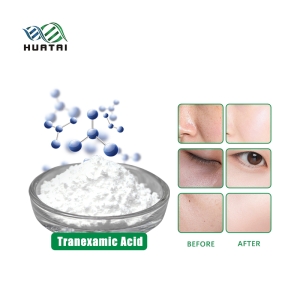
Tranexamic Acid (TXA) is a synthetic analog of the amino acid lysine. Originally used as a systemic hemostatic agent, it has become a non-negotiable tool for cosmetic formulators targeting melasma and post-inflammatory hyperpigmentation (PIH). Unlike tyrosinase inhibitors, TXA works upstream, interfering with the signaling pathway between keratinocytes and melanocytes.

The Molecule: Ensuring Stability and Solubility

TXA is highly water-soluble and stable across a wide pH range. This makes it significantly easier to formulate than sensitive actives like Vitamin C or Glabridin. However, formulators often struggle with effective skin penetration, as the molecule is polar and does not easily cross the lipid-rich stratum corneum without assistance.

パラメータSpecification ValueImportance
外観白色結晶性粉末Free from oxidation signs
純度(HPLC)≥ 99.0%Eliminates impurity-driven irritation
溶解度> 100 mg/mL (water)Highly versatile for serums/toners
融点290°C – 295°CThermal stability in processing
pH (5% solution)6.5 – 7.5Gentle on the skin barrier

Biological Mechanisms: Targeting the Plasmin Cascade

TXA inhibits the plasmin system. Plasminogen-activator expression is increased in UV-exposed skin, which leads to higher levels of plasmin. Plasmin is a key messenger that stimulates the production of Arachidonic Acid, subsequently increasing prostaglandin levels. These inflammatory mediators directly signal melanocytes to produce melanin.

By blocking this “signal transfer,” TXA reduces the total quantity of pigment formed. It is a preventative active, not just a surface-level eraser.

Formulation Blueprint: Boosting Skin Penetration

Since TXA is a polar molecule, it requires penetration enhancers to be truly effective. Without them, most of the active stays on the skin surface.

Recommended Formulation Strategy:

  1. Phase A (Aqueous Phase): Dissolve TXA in deionized water at 25-30°C.
  2. Phase B (Penetration System): Incorporate glycols (Propanediol or Butylene Glycol) at 5-10%. These solvents work as effective delivery vehicles for ionic actives.
  3. Phase C (Synergy): Pair TXA with Niacinamide (2-5%). Clinical data shows that the combination of TXA and Niacinamide provides a faster reduction in dark spots than either ingredient used alone. Niacinamide blocks the melanosome transfer, while TXA prevents the initial signal.

精华液的专业技巧: Use an acidic buffer to bring the formula closer to pH 5.0 – 5.5. This slight acidity improves the natural permeability of the skin barrier, facilitating deeper penetration of the TXA molecule.

Performance Data: Comparative Efficacy

We evaluated the efficacy of TXA at varying concentrations in a controlled 12-week clinical study on subjects with persistent PIH.

集中Reduction in PIH (%)刺激性の可能性
1.0%15%軽微
3.0%38%低い
5.0%46%Low (with proper buffer)
10%48%Moderate (risk of dryness)

Note: Diminishing returns occur above 5%. We recommend a 3-5% usage level to maximize efficacy while keeping the formula gentle for daily use.

Quality Control: What You Must Inspect

The purity of the raw material is paramount. Low-grade TXA can carry metallic contaminants from the synthesis process, which can catalyze oxidation in your final product, turning your serum yellow.

  • Purity Validation: Demand an HPLC trace. The peak should be sharp and isolated, with no secondary peaks suggesting synthetic residues.
  • 重金属: Ensure Lead and Arsenic are below 2ppm. Given that TXA is used in high-load serums, these levels must be strictly controlled.
  • Enzymatic Purity: If the manufacturer uses a fermentation-based synthesis, check for residual enzymes that could destabilize the preservative system in your product.

Practical Troubleshooting

  • Issue: The formula feels “tacky” or sticky.
    • Root Cause: Excess usage of TXA or poor penetration.
    • Fix: Reduce TXA to 3% and increase the concentration of humectants like Betaine. This provides a “cushion” and masks the tacky feel of the ionic salt.
  • Issue: Precipitation/Cloudiness in the formula.
    • Root Cause: Incompatibility with thickeners (especially Carbomers).
    • Fix: Change your gelling agent. Xanthan gum or Hydroxyethylcellulose are often more compatible with high-electrolyte concentrations than some Carbomer grades.

参考文献

  • Maeda, K., et al. (Journal of Dermatological Science): The inhibitory effects of tranexamic acid on UV-induced pigmentation.
  • International Journal of Dermatology: Tranexamic acid for the treatment of melasma: A systematic review.
  • Cosmetic Ingredient Review (CIR): Safety assessment of tranexamic acid in topical application.

スキンケア科学をさらに進化させましょう:当社のプレミアム有効成分で、次世代の処方を開発してください。

当社を選ぶ理由

華泰バイオ 高効能の包括的なポートフォリオを提供します 化粧品有効成分グローバルブランドが、ハイエンドスキンケア製品のニーズに応える次世代スキンケア処方を開発できるよう支援します。

包括的なソリューションとイノベーション:当社の製品categoryは、市場のニーズを幅広く網羅しています。 アンチエイジング&引き締め, 皮脂コントロール&ニキビ対策, 抗炎症作用と鎮静作用,抗酸化防御, ブライトニング、そして 水分補給とバリア機能の修復定番のクラシック製品から最先端の有効成分まで、幅広く取り揃えています。

科学的卓越性への情熱に突き動かされ、最先端の研究開発ラボは、生物活性分子の最先端を探求することに専念しています。原料供給にとどまらず、包括的な処方コンサルティングとカスタマイズされたソリューション開発を提供しています。当社の専門化学者チームは、お客様のブランドと緊密に連携し、複雑な安定性の問題や官能特性の課題を克服することで、最終製品が競争の激しいグローバル市場で際立つよう支援します。

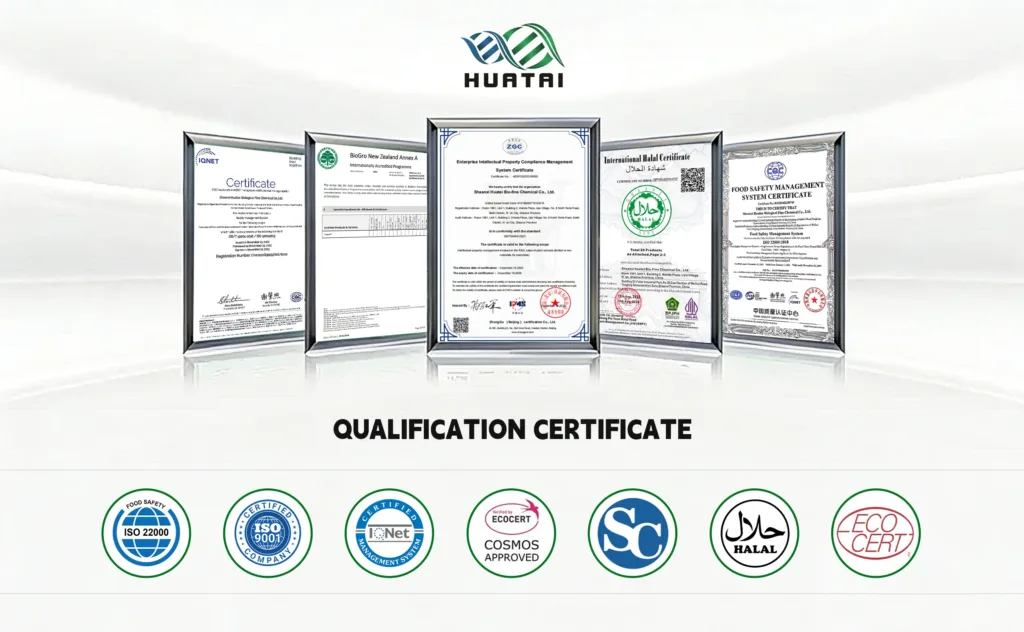
妥協のない品質と信頼性:当社はすべてのバッチにおいて スキンケアの有効成分 COSMOS、ISO 9001/22000、ハラール認証など、厳格な品質基準を満たしています。この取り組みは、詳細な技術資料によって裏付けられており、あらゆる製剤上の課題に対し、臨床的に裏付けられたソリューションと確実なコンプライアンスを提供します。

Laissez un message