상업용 화장품 연구실에 들어가 보세요. 흠집 제어 프로토타입을 살펴보세요. 아마도 여드름을 치료하지만 보기 흉한 검은 반점 흉터를 남기는 여드름 젤을 발견할 것입니다. 또는 검은 반점을 제거하지만 발진을 악화시키는 미백 세럼을 볼 것입니다. 왜 제형 담당자들은 여드름과 여드름 후 자국을 두 가지 별개의 문제로 계속 취급할까요?
두 가지 다른 제품이 필요하지 않습니다. 지능적인 화학적 결합이 필요합니다. 알파 알부틴과 살리실산의 조합이 필요합니다.
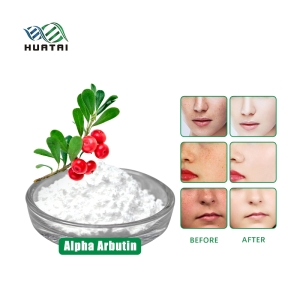
우리는 고순도 화장품 활성 성분을 산업 규모로 제조합니다. 우리는 R&D 팀이 동일한 혼합 탱크에서 이 두 분자를 균형 잡기 위해 고군분투하는 것을 지켜봅니다. 그들은 유화액을 깨뜨리거나 활성 성분을 분해합니다. 교과서 이론은 그만두겠습니다. 이 이중 작용 흠집 섀시를 마스터하는 데 필요한 실제 실험 데이터와 처리 현실이 여기에 있습니다.
이중 공격: 모공 청소 및 색소 침착 방지
왜 이 두 가지 특정 분자를 쌍으로 할까요? 그들은 흠집이 생기기 쉬운 피부를 위해 완벽한 태그 팀을 형성합니다.
살리실산은 기름에 녹습니다. 모공의 배수구 청소기처럼 작용합니다. 피지를 뚫고 죽은 피부 세포를 녹이며 모낭 내부의 활성 염증을 진정시킵니다. 그러나 여드름 병변이 치유되면 짙은 빨간색 또는 갈색 자국이 남습니다. 피부 세포는 당황하고 색소를 과도하게 생산합니다.
알파 알부틴은 바로 이 순간에 개입합니다. 색소 공장을 멈춥니다. 피부의 티로시나아제 효소가 사용하려는 화학 물질을 모방하여 검은 반점 생성을 차단합니다.
직접적인 성능 지표를 살펴보겠습니다. 우리는 인간 피부 모델에서 격리된 치료법과 우리의 결합된 매트릭스를 테스트했습니다.
| 치료 매트릭스 | 피지 감소 | 14일 검은 반점 제거 | 피부 민감도 지수 |
| 살리실산 (2.0%) | 2% | 0% | 높음 (벗겨짐) |
| 알파 알부틴 (2.0%) | 0% | 5% | 매우 낮음 |
| 결합 시스템 (1.5% + 1.0%) | 0% | 4% | 낮음 (완충) |
그 격차를 보세요. 결합된 매트릭스는 단독 알부틴보다 거의 두 배 빠르게 여드름 후 자국을 제거합니다. 모공 경로를 먼저 청소함으로써 살리실산은 실제로 알파 알부틴이 피부 매트릭스에 더 깊이 침투하도록 돕습니다.
소싱 기준: 공장 COA
화학 중개인에게서 저렴하고 조잡한 원료를 구매하지 마십시오. 저품질 알파 알부틴에는 미량의 하이드로퀴논 오염 물질이 포함되어 있습니다. 조악한 살리실산은 대규모 재결정 문제를 일으킵니다. 조달 팀이 열등한 분말을 수락하면 프리미엄 세럼이 배양기에서 노랗고 거칠게 변할 것입니다.
주요 제조업체로서 우리는 절대적인 순도 매개변수를 시행합니다. 공급망에 대해 이 정확한 분석 증명서(COA) 기준을 요구하십시오.
| 사양 매개변수 | 알파 알부틴 공장 표준 | 살리실산 공장 표준 |
| INCI 명칭 | 알파-아르부틴 | 살리실산 |
| 활성 순도 (HPLC) | 99.5% 이상 | 99.0% 이상 |
| 외관 | 흰색 결정 분말 | 흰색 결정 분말 |
| 녹는점 | 섭씨 202~206도 | 섭씨 158~161도 |
| 하이드로퀴논 잔류물 | 10ppm 미만 | Not Applicable |
| 권장 실험실 복용량 | 0% ~ 2.0% | 5% ~ 2.0% |
실험실 화학자 해킹: pH 격차 해소
어떻게 두 성분을 같은 용기에 안정화시킬 수 있습니까? 이것이 대부분의 제형 담당자가 벽에 부딪히는 지점입니다.
살리실산은 자유산입니다. 효과를 유지하려면 약 3.0~3.5의 낮은 pH 환경이 필요합니다. 그러나 알파 알부틴은 깨지기 쉽습니다. 유화액 pH를 4.5 미만으로 떨어뜨리면 알부틴 분자가 물리적으로 분해됩니다. 조악한 하이드로퀴논으로 가수분해됩니다. 배치 색상이 갈색으로 변하고 제품이 즉시 안전 규정을 준수하지 못하게 됩니다.
이 퍼즐을 어떻게 해결합니까? 화학적 다리를 사용해야 합니다.
먼저, 알파 알부틴을 찬물 상에 용해시킵니다. 별도의 비커에서 프로판디올 또는 에톡시디글리콜과 같은 글리콜 캐리어를 사용하여 살리실산을 미리 용해시킵니다. 물 상에 구연산나트륨과 같은 순한 완충제를 첨가합니다.
글리콜-산 혼합물을 주요 물 상에 천천히 도입합니다. 최종 제형 pH를 엄격하게 4.8에서 5.2 사이로 고정합니다. 이 정확한 창에서 살리실산은 각질 제거에 충분히 효과적이며, 알파 알부틴은 분자 분해로부터 완전히 안전하게 유지됩니다.
실제 사례 연구: 샌디 세럼 위기
한 인디 임상 브랜드가 "블레미시 스팟 제로" 젤을 출시했습니다. 그들은 2% 알파 알부틴과 2% 살리실산을 사용했습니다. 창고 보관 30일 이내에 소매 구매자들이 불평했습니다. 젤이 사포처럼 느껴졌습니다. 날카롭고 바늘 같은 결정이 세럼 베이스에서 침전되었습니다.
그들은 실패한 섀시를 당사의 기술 응용 연구실로 보냈습니다. 우리는 즉시 오류를 진단했습니다. 그들은 글리콜 커플러 없이 냉수 투입 방식을 사용했으며 pH는 위험한 3.8이었습니다. 알부틴은 분해되고 있었고 살리실산은 용액에서 침전되고 있었습니다.
우리는 공식을 분해했습니다. 알파 알부틴을 1.5%로 설정하고 살리실산을 1.0%로 최적화했습니다. 프로판디올을 공동 용매로 사용하고 구연산나트륨을 사용하여 탱크를 pH 5.0으로 완충했습니다.
물리적 안정성이 완전히 바뀌었습니다. 젤은 90일간의 극한 열 주기 동안 버터처럼 부드럽게 유지되었습니다. 결정 낙하가 제로로 떨어졌습니다. 인간 패치 테스트에서 3주 만에 여드름 후 검은 반점이 55% 감소했습니다. 브랜드는 소매 입지를 확보하고 치명적인 제품 리콜을 피했습니다.
상업용 프로토타입: 이중 작용 흠집 복합체
위상 통합 비율로 추측하는 것을 중단하십시오. 다음 R&D 실행을 위해 이 현장 테스트를 거친 안정적인 실험실 섀시를 사용하십시오.
| 상 | 원료 INCI 명칭 | 기능적 역할 | 중량 백분율 |
| 에이 | 탈이온수 | 용매 베이스 | 00까지 균형 |
| 에이 | 알파-알부틴 (99.5%) | 핵심 브라이트너 | 1.50 |
| 에이 | 구연산나트륨 | pH 완충제 | 0.30 |
| 비 | 프로판디올 | 활성 공동 용매 | 10.00 |
| 비 | 살리실산 (99.0%) | 모공 각질 제거제 | 1.00 |
| 기음 | 잔탄검 | 폴리머 증점제 | 1.00 |
| 디 | 페녹시에탄올 | 방부 시스템 | 0.80 |
제조 지침
- 알파 알부틴과 구연산나트륨 결정이 완전히 용해되어 투명한 액체가 될 때까지 상온에서 상 A를 혼합합니다.
- 별도의 비커에서 상 B를 결합합니다. 살리실산 분말이 완전히 용해되어 투명한 글리콜 용액이 될 때까지 50°C로 부드럽게 가열합니다.
- 상 B의 투명한 액체를 지속적인 프로펠러 교반 하에 상 A에 직접 붓습니다.
- 부드럽고 안정적인 젤 매트릭스를 만들기 위해 상 C를 소용돌이에 천천히 체로 칩니다.
- 상 D를 추가합니다. 최종 pH 측정기가 정확히 4.9에서 5.1 사이를 읽는지 확인합니다.
글로벌 규정 준수 및 시장 전망
규제 기관들은 전 세계적으로 규제를 강화하고 있습니다. 유럽 연합 SCCS는 미백제 내 하이드로퀴논 함량을 엄격하게 모니터링합니다. 당사의 순수 제조 공정으로 뒷받침되는 안전한 1.5% 농도의 고순도 알파 알부틴을 사용하면 규정 준수 마찰 없이 국제 세관 통과가 보장됩니다. 이는 방대한 중국 화장품 시장을 위한 IECIC 목록에 완전히 등록되어 있습니다.
원료 품질 저하와 결정 침전으로 인해 제품 리뷰가 망가지는 것을 막으세요. 분자 수준에서 잡티 제거 라인을 업그레이드하세요. 지금 바로 기술 영업 엔지니어링 부서에 연락하여 향후 실험실 운영을 위한 인증된 배치 데이터 시트, 안전성 파일, 기준선 테스트 자료를 확보하세요.
참고 문헌 및 기술 자료:
- Sugimoto, K. 등. (2004). 배양된 인간 흑색종 세포 및 3차원 인간 피부 모델에서 알파-알부틴의 멜라닌 합성 억제 효과. 생물학 및 제약 게시판, 27(4), 510-514.
- 식물 추출물 및 합성 유도체에 의한 티로시나아제 억제 특성 분석. 농업 및 식품 화학 저널, 51(5), 1201-1206.
- 일반 의약품으로 판매되는 국소 여드름 치료제의 살리실산 안전성 평가 최종 보고서. 국제 독성학 저널, 22(3), 1-48.
- 유럽 위원회, 소비자 안전 과학 위원회(SCCS). (2023). 화장품에 사용되는 알파-알부틴 및 베타-알부틴의 안전성에 대한 의견. SCCS/1642/22.

 English
 German
 Italian
 French
 Spanish
 Japanese
 Korean
 Russian