
Entra in qualsiasi laboratorio cosmetico commerciale. Guarda i loro prototipi per il controllo delle imperfezioni. Probabilmente troverai un gel per l'acne che tratta i brufoli ma lascia cicatrici scure e sgradevoli. Oppure vedrai un siero schiarente che elimina le macchie scure ma peggiora le eruzioni cutanee. Perché i formulatori continuano a trattare l'acne e i segni post-acne come due problemi separati?
Non hai bisogno di due prodotti diversi. Hai bisogno di un matrimonio chimico intelligente. Hai bisogno di Alfa Arbutina abbinata all'Acido Salicilico.
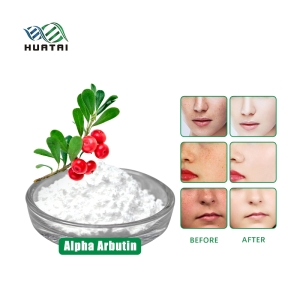
Produciamo attivi cosmetici ad alta purezza su scala industriale. Osserviamo i team di ricerca e sviluppo lottare per bilanciare queste due molecole nello stesso serbatoio di miscelazione. O fanno precipitare l'emulsione o degradano i principi attivi. Lasciamo perdere le teorie da manuale. Ecco i dati grezzi di laboratorio e la realtà di processo di cui hai bisogno per padroneggiare questo chassis imperfezione a doppia azione.
L'Attacco Doppio: Pulire i Pori e Fermare la Pigmentazione
Perché abbinare queste due molecole specifiche? Formano una squadra perfetta per la pelle a tendenza acneica.
L'Acido Salicilico è liposolubile. Agisce come uno scarico per i tuoi pori. Attraversa il sebo, scioglie le cellule morte della pelle e calma l'infiammazione attiva all'interno del follicolo. Ma quando una lesione acneica guarisce, lascia un segno rosso scuro o marrone. Le cellule della pelle vanno nel panico e sovrapproducono pigmento.
L'Alfa Arbutina interviene esattamente in questo momento. Ferma la fabbrica di pigmenti. Imita le sostanze chimiche che l'enzima tirosinasi della pelle vuole utilizzare, bloccando la produzione di macchie scure.
Diamo un'occhiata alle metriche di performance testa a testa. Abbiamo testato trattamenti isolati contro la nostra matrice combinata su modelli di pelle umana.
| Matrice di Trattamento | Riduzione del sebo | Eliminazione Macchie Scure in 14 Giorni | Indice di Sensibilizzazione Cutanea |
| Acido Salicilico (2,0%) | 45,2 percento | 12,0% | Alto (Desquamazione) |
| Alfa Arbutina (2,0%) | 0,0 percento | 38,5 percento | Molto basso |
| Sistema Combinato (1,5% + 1,0%) | 41,0 percento | 62,4 percento | Basso (Tamponato) |
Guarda quella differenza. La matrice combinata elimina le macchie post-acne quasi due volte più velocemente dell'arbutina da sola. Pulendo prima il percorso del poro, l'Acido Salicilico aiuta effettivamente l'Alfa Arbutina a penetrare più in profondità nella matrice cutanea.
Base di Approvvigionamento: Il COA di Fabbrica
Non acquistare materie prime grezze ed economiche da broker chimici. L'Alfa Arbutina di bassa qualità contiene tracce di contaminanti di idrochinone. L'Acido Salicilico grezzo causa enormi problemi di ricristallizzazione. Se il tuo team di approvvigionamento accetta polveri inferiori, il tuo siero premium diventerà giallo e granuloso nell'incubatrice.
In qualità di produttore primario, applichiamo parametri di purezza assoluta. Richiedi questa esatta base di Certificato di Analisi (COA) per la tua catena di approvvigionamento.
| Parametro di specifica | Standard di Fabbrica Alfa Arbutina | Standard di Fabbrica Acido Salicilico |
| Nome INCI | Alfa-arbutina | Acido salicilico |
| Purezza Attiva (HPLC) | Maggiore del 99,5 percento | Maggiore del 99,0 percento |
| Aspetto Visivo | Polvere cristallina bianca | Polvere cristallina bianca |
| Punto di fusione | Da 202 a 206 gradi Celsius | Da 158 a 161 gradi Celsius |
| Residuo di Idrochinone | Meno di 10 ppm | Not Applicable |
| Dosaggio Raccomandato in Laboratorio | 1,0% - 2,0% | Da 0,5 percento a 2,0 percento |
Trucchi da Chimico di Laboratorio: Colmare il Divario di pH
Come stabilizzare effettivamente entrambi gli ingredienti nello stesso recipiente? È qui che la maggior parte dei formulatori incontra un ostacolo.
L'Acido Salicilico è un acido libero. Richiede un ambiente a basso pH, intorno a 3,0-3,5, per rimanere efficace. Ma l'Alfa Arbutina è fragile. Abbassa il pH della tua emulsione al di sotto di 4,5 e la molecola di arbutina si rompe fisicamente. Si idrolizza in idrochinone grezzo. Il tuo lotto diventa marrone e il tuo prodotto fallisce immediatamente la conformità di sicurezza.
Come risolvi questo enigma? Devi usare un ponte chimico.
Per prima cosa, sciogli la tua Alfa Arbutina nella tua fase acquosa fredda. In un becher separato, pre-sciogli l'Acido Salicilico usando un vettore glicolico come il Propanediolo o l'Etossidiglicole. Aggiungi un tampone delicato, come il Citrato di Sodio, alla fase acquosa.
Introduci lentamente il mix glicole-acido nella fase acquosa principale. Blocca il pH della tua formulazione finale rigorosamente tra 4,8 e 5,2. In questa esatta finestra, l'Acido Salicilico rimane abbastanza attivo da esfoliare, mentre l'Alfa Arbutina rimane completamente al sicuro dalla degradazione molecolare.
Studio di Caso Reale: La Crisi del Siero Sabbioso
Un marchio clinico indipendente ha lanciato un gel "Blemish Spot Zero". Hanno utilizzato il 2% di Alfa Arbutina e il 2% di Acido Salicilico. Entro 30 giorni dallo stoccaggio in magazzino, gli acquirenti al dettaglio si sono lamentati. Il gel sembrava carta vetrata. Cristalli affilati, simili ad aghi, precipitavano dalla base del siero.
Hanno spedito lo chassis fallito al nostro laboratorio di applicazione tecnica. Abbiamo diagnosticato immediatamente l'errore. Avevano utilizzato un metodo di versamento in acqua fredda senza un co-solvente glicolico e il loro pH era a un pericoloso 3,8. L'arbutina si stava degradando e l'Acido Salicilico stava precipitando dalla soluzione.
Abbiamo smontato la formula. Abbiamo impostato l'Alfa Arbutina al 1,5% e ottimizzato l'Acido Salicilico all'1,0%. Abbiamo utilizzato il Propanediolo come co-solvente e tamponato il serbatoio a pH 5,0 usando Citrato di Sodio.
La stabilità fisica si è trasformata completamente. Il gel è rimasto liscio come burro attraverso un ciclo di calore estremo di 90 giorni. La precipitazione di cristalli è scesa a zero. I patch test umani hanno mostrato una massiccia riduzione del 55% delle macchie scure post-acne entro tre settimane. Il marchio ha salvato la sua presenza al dettaglio ed evitato un catastrofico richiamo del prodotto.
Prototipo Commerciale: Complesso Imperfezione a Doppia Azione
Smetti di fare supposizioni con i rapporti di integrazione di fase. Usa questo chassis di laboratorio stabile e testato sul campo per la tua prossima esecuzione di ricerca e sviluppo.
| Fase | Nome INCI della Materia Prima | Ruolo Funzionale | Percentuale in Peso |
| UN | Acqua deionizzata | Base Solvente | Bilanciare al 100,00 |
| UN | Alfa-Arbutina (99,5%) | Illuminante Principale | 1.50 |
| UN | Citrato di Sodio | Agente Tampone pH | 0.30 |
| B | Propanediolo | Co-solvente Attivo | 10.00 |
| B | Acido Salicilico (99,0%) | Esfoliante per Pori | 1.00 |
| C | 10. Gomma Xantana | Addensante Polimerico | 1.00 |
| D | Fenossietanolo | Preservative System | 0.80 |
Istruzioni di Produzione
- Mescolare la Fase A a temperatura ambiente fino a quando i cristalli di Alfa Arbutina e Citrato di Sodio non si dissolvono completamente in un liquido limpido.
- In un becher separato, combinare la Fase B. Scaldare delicatamente a 50 gradi Celsius fino a quando la polvere di Acido Salicilico non si dissolve completamente in una soluzione glicolica limpida.
- Versare il liquido limpido della Fase B direttamente nella Fase A sotto agitazione costante con elica.
- Setacciare lentamente la Fase C nel vortice per costruire una matrice di gel liscia e stabile.
- Aggiungere la Fase D. Verificare che il pHmetro finale legga esattamente tra 4,9 e 5,1.
Conformità Globale e Orizzonti di Mercato
Gli organismi di regolamentazione stanno inasprendo i vincoli a livello globale. L'Unione Europea SCCS monitora rigorosamente i limiti di idrochinone negli agenti sbiancanti. L'utilizzo di Alfa Arbutina ad alta purezza a una concentrazione sicura dell'1,5%, supportato dal nostro processo di produzione puro, garantisce il superamento degli ostacoli doganali internazionali senza alcun attrito di conformità. È completamente registrato nell'elenco IECIC per l'enorme mercato cosmetico cinese.
Smetti di lasciare che il degrado delle materie prime e la precipitazione dei cristalli rovinino le recensioni dei tuoi prodotti. Aggiorna le tue linee per il controllo delle imperfezioni a livello molecolare. Contatta oggi stesso la nostra divisione di ingegneria tecnico-commerciale per ottenere schede tecniche di lotti certificati, dossier di sicurezza e materiali di test di base per le tue prossime esecuzioni di laboratorio.
Letteratura Pubblica e Riferimenti Tecnici Consultati:
- Sugimoto, K., et al. (2004). Effetti inibitori dell'alfa-arbutina sulla sintesi della melanina in cellule di melanoma umano coltivate e in un modello di pelle umana tridimensionale. Bollettino Biologico e Farmaceutico, 27(4), 510-514.
- Caratterizzazione dell'inibizione della tirosinasi da parte di estratti botanici e derivati sintetici. Journal of Agricultural and Food Chemistry, 51(5), 1201-1206.
- Rapporto finale sulla valutazione della sicurezza dell'acido salicilico, prodotti topici per l'acne da banco per uso da parte dei consumatori. International Journal of Toxicology, 22(3), 1-48.
- Commissione Europea, Comitato Scientifico per la Sicurezza dei Consumatori (SCCS). (2023). Parere sulla sicurezza dell'alfa-arbutina e della beta-arbutina nei prodotti cosmetici. SCCS/1642/22.

 English
 German
 Italian
 French
 Spanish
 Japanese
 Korean
 Russian