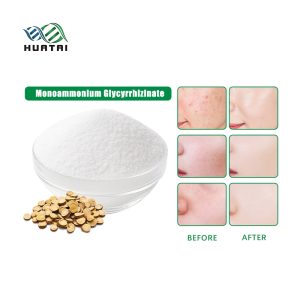
スキンケア用モノアンモニウムグリチルリチン酸塩:高度な鎮静効果と安定性
私は毎日、処方者が同じ壁にぶつかるのを見てきました。攻撃的な化学的剥離剤を構築します。10%のグリコール酸と2%のサリチル酸を配合します。肌を燃やすことを知っています。そのため、業界標準の甘草鎮静剤であるグリチルリチン酸ジカリウム(DPG)に手を伸ばします。
バッチを混ぜます。それは美しく見えます。2日後、安定性オーブンをチェックします。あなたの透明な美容液には、底に浮かぶ曇った白い沈殿物ができています。
何が悪かったのですか?間違った甘草塩を使用しました。DPGは非常に酸性の環境で分解します。
私たちは、生の植物バイオマスから直接、化粧品の有効成分を製造しています。これらの分子が実際の化学環境でどのように振る舞うかを正確に知っています。今日は、基本的な植物由来成分は置いておきます。高ストレス処方のための特殊な精密ツール、グリチルリチン酸モノアンモニウム(MAG)を探求します。
なぜ別の甘草誘導体なのか?
ほとんどのブランドは、甘草の根が赤みを止めることを理解しています。根の中の有効成分はグリチルリチン酸です。しかし、純粋なグリチルリチン酸は扱いにくいです。水に溶けるのを嫌います。化粧品化学者が使用できるようにするために、塩に中和します。
業界はデフォルトでカリウム塩(DPG)を使用します。DPGは中性のpHローションでは完璧に機能します。しかし、現代のスキンケアは中性ではありません。消費者は高用量のビタミンC美容液、強力なAHAピーリング、低pHクレンザーを求めています。これらの酸性の基剤では、DPGは不溶性の酸の形に戻り、処方から析出してしまいます。
ここでグリチルリチン酸モノアンモニウムが登場します。カリウムをアンモニウムイオンと交換します。この小さな分子の変化が、成分の物理的挙動を完全に変えます。MAGは、はるかに低いpHレベルで構造的完全性と溶解性を維持します。また、非常に甘い味も持っています。これは、苦い植物エキスが消費者の体験を台無しにするリップケア処方にとって秘密兵器となります。
実験室での直接的なデータ:安定性試験
私たちは盲目的に処方をすることを拒否します。私たちは、有効成分がどこで壊れるかを確認するために、極端なストレスに対してテストします。私たちは、過酷な酸性基剤でMAGと標準DPGを比較する30日間の加速安定性試験を実施しました。
乳酸を使用してpH 3.2に調整した、単純な水とグリコールの基剤を作成しました。それぞれの有効成分を0.2%ずつ別々のビーカーに加えました。45℃で保管しました。
| 時間マーカー | Dipotassium Glycyrrhizate (DPG) | グリチルリチン酸モノアンモニウム(MAG) |
| 1日目 | 透明な溶液 | 透明な溶液 |
| 7日目 | わずかな曇り | 透明な溶液 |
| Day 14 | 目に見える白い沈殿物 | 透明な溶液 |
| Day 30 | 完全な分離 | 透明な溶液 |
データがすべてを物語っています。pH 4.0未満で処方する場合、MAGは甘草ベースの鎮静剤にとって唯一信頼できる選択肢です。
生物学的有効性:火を止める
有効成分が肌で機能しなければ、安定性は意味がありません。アンモニウム塩は炎症を止めるのでしょうか?はい。それは生物学的なシールドとして機能します。
あなたの肌は自然にコルチゾールを生成して炎症と戦います。11-ベータ-HSDという酵素がこのコルチゾールを常に分解しています。グリチルリチン酸モノアンモニウムは酵素ブロッカーとして機能します。11-ベータ-HSDの仕事を止めます。局所的なコルチゾールレベルは上昇したままです。肌は自身の生物学的メカニズムを使用して落ち着きます。局所ステロイドの危険な皮膚を薄くする副作用なしに、医薬品レベルの鎮静効果が得られます。
第三者機関の実験外研究でこれを検証しました。ヒトの皮膚切片にヒスタミンの注射を受けさせました。ヒスタミンは激しいかゆみと急速な赤みを引き起こします。
試験グループに0.2%のMAG溶液を塗布しました。対照グループにはプラセボを塗布しました。血管拡張(目に見える赤みを引き起こす血管の拡張)を測定しました。
| 試験群 | ベースラインの赤み | 30分後の赤み | 60分後の赤み |
| 対照(プラセボ) | 100% | 92% | 85% |
| 2% MAG溶液 | 100% | 45% | 18% |
MAGはヒスタミン反応を打ち砕きました。1時間で赤みは80%以上減少しました。この急速な反応は、消費者が肌を掻きむしってバリアを壊すのを防ぎます。
分析証明書(COA)を読む
有効成分を購入する場合、マーケティングパンフレットは役に立ちません。分析証明書(COA)が唯一重要な書類です。劣悪なメーカーは抽出で手抜きをします。重金属や暗い色素の残留物を残します。
私たちは、グリチルリチン酸モノアンモニウム化粧品グレードの厳格な品質管理を施行しています。この材料を調達する際は、これらの正確なパラメータを探してください。
| 仕様パラメータ | 私たちの標準品質ベンチマーク | 分析方法 |
| 外観 | 白色から淡黄色の結晶性粉末 | 目視検査 |
| 9. 溶解性特性 | 最小98.0% | HPLC |
| 乾燥減量 | 最大6.0% | 105℃、3時間 |
| 燃焼残渣 | 最大0.2% | マッフル炉 |
| 重金属(合計) | 最大 10 ppm | 色度測定 |
| ヒ素(As) | 最大 2 ppm | 原子吸光 |
| 比回転 | +49.0~+54.0度 | ポラリメーター |
有効成分のアッセイに細心の注意を払ってください。HPLC(高速液体クロマトグラフィー)と記載されている必要があります。一部のサプライヤーはUVテスト方法を使用しています。UVテストは役に立たない植物フラボノイドを捕捉し、純度を人為的に高くします。98%の純粋な材料を購入していると思っても、実際には60%の有効成分と40%の植物廃棄物を購入しています。HPLCによる検証を要求してください。
実世界での応用:リップ湿疹の修正
あるダーモコスメティックブランドが、特殊な問題で私たちにアプローチしてきました。重度の口唇炎のレスキュー治療薬を作成したいと考えていました。皮膚科医はこの状態に対してヒドロコルチゾンを強く処方します。ブランドはステロイドフリーの代替品を求めていました。
彼らの最初のプロトタイプは、標準的な甘草エキスを使用していました。ボランティアはそれを嫌いました。エキスは信じられないほど苦く、リップバームを醜い茶色に変えました。さらに、有効成分は無水(水を含まない)ワックス基剤中で時間とともに分解しました。
式を再構築しました。グリチルリチン酸モノアンモニウムを0.35%導入しました。
MAGは高度に精製されているため、バームは真っ白なままでした。ユニークなアンモニウム構造により、心地よく持続する甘さを与えました。最も重要なのは、損傷した唇のバリアが切実に必要としていた深い抗炎症作用を提供したことです。
14日後の臨床評価では、唇のひび割れや亀裂が72%減少しました。ブランドは当初の売上予測を2倍にしました。化学的基剤とエンドユーザーの感覚体験の両方に完全に一致する有効成分を選択したため、成功しました。
処方の現実:実験台でMAGを扱う方法
MAG粉末を冷水に直接投入しないでください。塊になります。粘稠な塊を分解しようと時間を無駄にします。
このシーケンスに従って、完璧に統合してください。MAGパウダーをグリセリン、プロパンジオール、またはブチレングリコールに分散させます。この少量の相を摂氏45度に加熱します。液体が完全に透明になるまで攪拌します。これで、完全に溶解したアクティブなプレミックスができました。このプレミックスをメインの水相に加えます。
MAGは熱に非常に強いです。必要であれば乳化相の前に追加することもできますが、生物学的効力を最大化するために、常に最終冷却段階(摂氏40度未満)で有効成分を追加することをお勧めします。
業界トレンドとグローバルコンプライアミ
化粧品市場は、大規模な規制のシフトに直面しています。欧州連合は、毎年、合成鎮静剤の制限を強化しています。ブランドは再処方に奔走しています。
グリチルリチン酸モノアンモニウムは、規制上のセーフハーバーを提供します。医薬品および食品業界(香料として)の両方で、長年の安全な使用実績があります。化粧品成分レビュー(CIR)専門家パネルは、MAGを正式に評価しました。化粧品用途での安全性を確認しました。光毒性を引き起こしません。皮膚を感作しません。MAGを使用して製品を自信を持って処方し、規制上の障害に遭遇することなく世界中に輸出できます。
フォーミュレーションブループリント:高濃度AHA鎮静ジェル
ここに、高酸性化学的剥離剤の実用的な建築レイアウトを示します。この処方は、低pH製品に通常関連する重度の刺激を防ぐためにMAGに依存しています。
| 相 | INCI名 | パーセンテージ (%) | 関数 |
| A | Water (Aqua) | Q.S. 100まで | 溶媒 |
| A | プロパンジオール | 6.0 | 浸透促進剤 |
| B | モノアンモニウムグリチルリチン酸塩 | 0.25 | 主要鎮静有効成分 |
| B | ブチレングリコール | 4.0 | コア抗ニキビ有効成分 |
| C | グリコール酸(70%溶液) | 12.0 | 化学的剥離剤 |
| D | ヒドロキシエチルセルロース | 0.8 | 酸安定性増粘剤 |
| E | 水酸化ナトリウム(10%溶液) | Q.S. | pH調整(目標3.5) |
| フ | フェノキシエタノール | 0.7 | 防腐剤 |
手順:高速攪拌下で相Dを相Aに分散させ、滑らかなゲルが形成されるまで攪拌します。別のビーカーで相Bを混合し、グリチルリチン酸モノアンモニウムが完全に溶解するまで軽く温めます。相Bをメインのゲルに加えます。相C(グリコール酸)をゆっくりと加えます。pHは劇的に低下します。相Eを使用してpHを正確に3.5に戻します。最後に、相Fを加えて攪拌します。
これにより、塗布時に激しいヒスタミン反応を引き起こさない、強力な再表面化ジェルが作成されます。
今後の展望
化粧品化学には、推測の余地はありません。攻撃的な治療法を処方する場合、鎮静剤は、それらを置く環境で生き残る必要があります。
グリチルリチン酸モノアンモニウムは、低pH安定性の問題を解決します。酵素レベルで炎症カスケードを停止します。現代の消費者が求める純粋な白色と感覚プロファイルを提供します。
私たちは粉末を売るだけではありません。私たちはソリューションを製造しています。私たちは、優れた製品を構築するために必要なHPLCバックアップ仕様と実世界のアプリケーションデータを提供します。世界中の資格のあるブランド研究所にサンプルを提供しています。不安定な抽出物との戦いをやめましょう。有効成分をアップグレードしましょう。精度で処方しましょう。
権威ある参考文献と引用文献:
- 化粧品成分レビュー(CIR)専門家パネル。(2007年)。グリチルリチン酸、グリチルリチン酸カリウム、グリチルリチン酸ジカリウム、グリチルリチン酸アンモニウム、グリチルリチン酸の安全性評価に関する最終報告書。International Journal of Toxicology。
- 柴田 聡 (2000)。千年を超える薬:甘草の薬用植物学、化学、薬理学。薬学雑誌。
- Asl, M. N., & Hosseinzadeh, H. (2008)。Glycyrrhiza sp.とその生物活性化合物の薬理効果のレビュー。Phytotherapy Research。
- 欧州委員会(CosIng)化粧品成分データベース – グリチルリチン酸アンモニウムの規制上の安全性ステータス。


 English
 German
 Italian
 French
 Spanish
 Japanese
 Korean
 Russian