I formulator si chiedono spesso perché il loro costoso siero illuminante diventi marrone dopo otto settimane. Lo vediamo ogni giorno in fabbrica. Formuli un bellissimo prodotto a base di Alfa Arbutina. Lo metti nel forno di stabilità. Due mesi dopo, il pH crolla. L'emulsione ha un odore pungente. Lo studio clinico fallisce.
Perché succede questo? Stai trattando un glicoside fragile come una semplice glicerina.
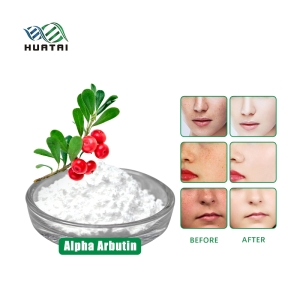
Lasciamo da parte i miti del marketing. L'Alfa Arbutina è molto efficace, ma richiede un rigoroso rispetto chimico. È una molecola sintetica progettata per fornire in modo sicuro l'idrochinone ai melanociti senza causare morte cellulare. Agisce come un diversivo. L'enzima tirosinasi si lega all'arbutina invece che alla tirosina. Questo blocca istantaneamente la produzione di melanina. Ma se la processi in modo errato, rompi la molecola.
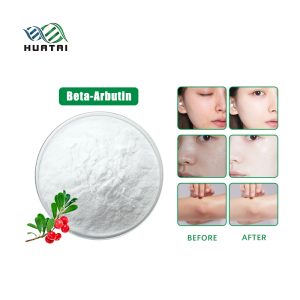
Guarda i dati di riferimento. Testiamo l'Alfa Arbutina rispetto al suo omologo più economico, la Beta Arbutina, per mostrare il divario di prestazioni grezze.
| Marcatore di specifica | Alfa Arbutina | Beta Arbutina | Impatto sulla Formulazione |
| Potere di inibizione della tirosinasi | Alto (10 volte più forte) | Basso | Determina la velocità di efficacia clinica |
| pH ottimale di formulazione | Da 3,5 a 6,5 | Da 5,0 a 7,0 | Dettare la compatibilità con altri acidi |
| Solubilità in acqua | Eccellente (151 g/L) | Scarso | Influisce sulla limpidezza nei sieri liquidi |
| Stabilità della luce | Moderare | Molto Scarso | Richiede un packaging opaco |
La Trappola dell'Idrolisi: uno studio di caso di formulazione
La primavera scorsa, un marchio di skincare clinico ci ha portato una formula fallita. Volevano un siero illuminante aggressivo. Hanno combinato 2% di Alfa Arbutina con 10% di Acido L-Ascorbico puro. La logica sembrava solida. Ma la chimica non si cura dei concetti di marketing.
La Vitamina C pura ha abbassato il pH della formula a 3,0. A questo livello altamente acido, il legame glicosidico nell'Alfa Arbutina si è spezzato. La molecola si è idrolizzata direttamente in idrochinone libero. Il prodotto è diventato illegale da vendere in Europa da un giorno all'altro.
Abbiamo smontato la loro formula. Abbiamo sostituito l'Acido L-Ascorbico altamente acido con Ascorbil Glucoside. Abbiamo aggiunto un sistema tampone di Acido Lattico e Lattato di Sodio per bloccare la fase acquosa rigorosamente a pH 5,0. Li abbiamo istruiti a sciogliere l'Alfa Arbutina in acqua fredda, aggiungendola solo durante il raffreddamento finale dell'emulsione al di sotto dei 40 gradi Celsius.
La nuova formula ha superato un test di stabilità accelerata di 12 settimane a 45 gradi Celsius. Il colore è rimasto impeccabile. I livelli di idrochinone sono rimasti non rilevabili.
Decoding the Certificate of Analysis (COA)
Non puoi correggere una formula se la tua materia prima è compromessa. Gli acquirenti acquistano spesso ingredienti attivi economici. Ignorano le impurità residue. Devi controllare aggressivamente il tuo Certificato di Analisi.
| Critical COA Marker | Standard richiesto | Perché è importante per la produzione |
| Analisi (HPLC) | Maggiore del 99% | Garantisce prestazioni cliniche costanti |
| Residuo di Idrochinone | Meno di 10 ppm | Critico per la conformità normativa UE e USA |
| Heavy Metals (Pb, As) | Meno di 1 ppm | Metalli in tracce catalizzano l'ossidazione e i cambiamenti di colore |
| Valore pH (Soluzione 1%) | Da 5,0 a 7,0 | Dimostra che la polvere non ha iniziato a degradarsi |
Combinazioni sinergiche di ricerca e sviluppo
L'Alfa Arbutina funziona meglio quando ha un sistema di supporto. La produzione di melanina è una fabbrica a più fasi. Devi bloccare diverse porte.
- Il Sistema Dual-Blocker: Combina 1,5% di Alfa Arbutina con 1,0% di Acido Cogico Dipalmitato. L'arbutina agisce come diversivo della tirosinasi. L'estere dell'Acido Cogico chela gli ioni di rame di cui l'enzima ha bisogno per funzionare. Affami il processo da due lati.
- Il Bloccante di Trasferimento: Abbina 2,0% di Alfa Arbutina con 4,0% di Niacinamide. L'arbutina impedisce la formazione di nuovo pigmento. La Niacinamide impedisce al pigmento esistente di risalire negli strati visibili della pelle.
- Il Catalizzatore di Esfoliazione: Mescola 1,0% di Alfa Arbutina con 5,0% di Acido Mandelico. L'elevato peso molecolare dell'AHA dissolve delicatamente le cellule morte senza innescare infiammazioni. Questo libera il percorso affinché l'arbutina penetri più in profondità nell'epidermide.
Conformità globale e tendenze del settore
I regolatori stanno osservando attentamente gli agenti schiarenti. Il Comitato Scientifico Europeo per la Sicurezza dei Consumatori (SCCS) ha recentemente emesso una decisione definitiva sull'Alfa Arbutina. L'era di versare il 5% in una crema è finita.
Devi limitare il tuo utilizzo. Il limite legale rigoroso è 2% nelle creme viso e 0,5% nelle lozioni corpo. I regolatori hanno fissato questi limiti a causa del rischio teorico di rilascio di idrochinone. Ecco perché la nostra specifica di elevata purezza è importante. Quando inizi con una materia prima che garantisce meno di 10 ppm di idrochinone libero, il tuo valutatore di sicurezza approva il Cosmetic Product Safety Report (CPSR) senza esitazione.
Non è necessario spingere i limiti di dosaggio per ottenere risultati. Hai solo bisogno di molecole pure e di un processo stabile.
Testa la materia prima sul tuo banco. Sciogli la polvere nella tua fase acquosa tamponata. Metti l'emulsione nell'incubatrice. Misura la deriva del pH per quattro settimane. Lascia che i dati di stabilità dimostrino le prestazioni.
Riferimenti dalla letteratura pubblica:
- Sugimoto, K., et al. (2004). “Inhibitory effects of alpha-arbutin on melanin synthesis in cultured human melanoma cells and a three-dimensional human skin model.” Biological and Pharmaceutical Bulletin, 27(4), 510-514.
- SCCS (Scientific Committee on Consumer Safety). (2023). “Opinion on the safety of alpha-arbutin and beta-arbutin in cosmetic products.” European Commission.
- Sarkar, R., et al. (2013). “Cosmeceuticals for hyperpigmentation: What is available?” Journal of Cutaneous and Aesthetic Surgery, 6(1), 4-11.

 English
 German
 Italian
 French
 Spanish
 Japanese
 Korean
 Russian