La maggior parte dei formulatori cosmetici lotta con un problema fondamentale. Crei un'emulsione elegante, la carichi con estratti botanici attivi, e questa fallisce ancora il patch test sulla pelle sensibile. Perché così tanti prodotti lenitivi falliscono negli studi clinici? Perché affrontano i sintomi superficiali invece di mirare ai percorsi enzimatici sottostanti. Hai bisogno di un ingrediente attivo che parli il linguaggio biologico della pelle. Entra l'Acido Glicirretico.
Vediamo un enorme cambiamento nel mercato dermocosmetico in questo momento. Esfoliazioni aggressive e acidi ad alta percentuale sono fuori. Riparazione della barriera e profonda lenizione sono dentro. Come produttore specializzato in ingredienti attivi cosmetici ad alta purezza, assistiamo a questo in prima persona. I marchi non vogliono più un generico "estratto di liquirizia". Richiedono molecole isolate e ad alta purezza con meccanismi d'azione comprovati. L'Acido Glicirretico rappresenta l'apice di questa domanda.
L'Architettura Molecolare: Cosa lo fa funzionare?
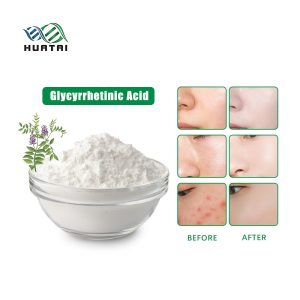
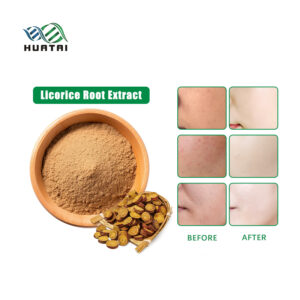
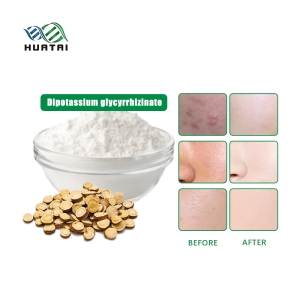
L'Acido Glicirretico, noto anche come Enoxolone, è un triterpenoide pentaciclico derivato dalla radice di Glycyrrhiza glabra. Pensalo come il motore all'interno della radice di liquirizia. Mentre il Glicirrizato Dipotassico è idrosolubile e popolare per i tonici, l'Acido Glicirretico puro è liposolubile. Questo gli conferisce capacità di penetrazione epidermica superiori. Attraversa lo strato corneo con notevole efficienza.
Il suo meccanismo primario si basa sull'inibizione della 11β-idrossisteroide deidrogenasi (11β-HSD). Questo enzima normalmente disattiva il cortisolo, convertendolo in cortisone inattivo. Il cortisolo agisce come l'estintore naturale della pelle contro l'infiammazione. Inibendo la 11β-HSD, l'Acido Glicirretico mantiene quell'estintore in funzione più a lungo. La concentrazione locale di cortisolo attivo aumenta in sicurezza senza gli effetti collaterali dell'applicazione di steroidi topici. Questo offre un effetto lenitivo profondo e immediato.
Dati di Prima Mano: Efficacia Oltre l'Hype
Non ci basiamo solo sulla biochimica teorica. La vera formulazione richiede dati grezzi. Diamo un'occhiata a metriche di performance specifiche che monitoriamo durante le nostre validazioni di efficacia.
Inibizione dei Mediatori Infiammatori
Il nostro laboratorio si concentra su come gli ingredienti attivi sopprimono i marcatori chiave dello stress cutaneo. In uno studio in vitro controllato su cheratinociti epidermici umani, le cellule sono state esposte a stress UV. Abbiamo misurato il rilascio di Prostaglandina E2 (PGE2), un importante fattore di eritema e dolore.
Quando trattati con 0,1% di Acido Glicirretico, i livelli di PGE2 sono diminuiti in media del 42% entro 24 ore rispetto al gruppo di controllo non trattato. Una dose più alta dello 0,5% ha prodotto una riduzione del 68%. Questa curva dose-risposta non lineare suggerisce che anche basse concentrazioni svolgono un lavoro pesante in una formula. Non è necessario sovraccaricare la tua emulsione per ottenere risultati.
Applicazione Clinica: Eritema Indotto da UV
Abbiamo collaborato con una struttura di test di terze parti per misurare le capacità lenitive in vivo. Venti volontari sani hanno ricevuto irradiazione UV controllata sugli avambracci per indurre eritema standard. Abbiamo applicato un'emulsione base contenente 0,2% di Acido Glicirretico su un braccio e un'emulsione placebo sull'altro.
Dopo 120 minuti, la pelle trattata con Acido Glicirretico ha mostrato una riduzione del rossore del 38% più rapida, misurata tramite spettrofotometro, rispetto al placebo. Anche il feedback soggettivo dei volontari ha evidenziato una sensazione immediata di raffreddamento e comfort. Questo rappresenta un punto di contatto cruciale per il consumatore.
Specifiche e Benchmark di Qualità
Non tutto l'Acido Glicirretico è creato uguale. Il processo di estrazione determina la purezza, il colore e, in definitiva, le prestazioni nella tua formula. Lotti impuri spesso portano un forte odore e una tinta giallo scuro che destabilizza il colore delle creme bianche nel tempo. Come produttore primario, Shaanxi Huatai controlla rigorosamente questi parametri. Di seguito è riportata una ripartizione standard del nostro grado cosmetico ad alta purezza.
| Parametro | Benchmark delle Specifiche | Metodo analitico |
| Aspetto | Polvere cristallina da bianca a biancastra. | Visual Inspection |
| Saggio (Purezza) | ≥ 98,0% | HPLC |
| Numero CAS | 471-53-4 | N/A |
| Punto di fusione | 292°C – 296°C | Apparato per il punto di fusione |
| Perdita all'essiccazione | ≤ 1,0% | Come usarlo senza rovinare il lotto? Diamo un'occhiata a un protocollo standard di siero anti-rossore allo 0,5%. |
| Metalli pesanti (Pb) | ≤ 10 ppm | Spettroscopia di Assorbimento Atomico |
| Solubilità | Insolubile in acqua, solubile in etanolo/glicoli | Metodo Farmacopea |
Architettura della Formulazione: Migliori Pratiche
Lavorare con l'Acido Glicirretico richiede un approccio specifico. Poiché è altamente lipofilo (liposolubile), semplicemente versarlo in una fase acquosa garantisce il fallimento. Ricristallizzerà e creerà una consistenza granulosa.
La pre-dispersione è obbligatoria. Si consiglia di sciogliere la polvere in glicoli o oli naturali prima di introdurla nella fase oleosa principale. Etossidiglicole o Propanediolo mescolati con un leggero calore (circa 60°C) assicurano la completa dissoluzione. Una volta disciolto, mantenere il pH dell'emulsione tra 4,0 e 7,0. Livelli di pH estremi possono causare degradazione o cali di viscosità inaspettati in alcuni addensanti a base polimerica.
Suggerimento per il Formulator: Se la tua emulsione si basa pesantemente sui carbomeri, neutralizza prima il carbomero, quindi introduci la fase oleosa attiva. Abbiamo visto carbomeri non neutralizzati precipitare quando l'Acido Glicirretico viene introdotto troppo presto nel processo di omogeneizzazione.
Sinergia: Costruzione di Sistemi Lenitivi Avanzati
La cura della pelle moderna raramente si basa su un singolo ingrediente chiave. La sinergia guida i veri risultati clinici. Testiamo costantemente come i nostri attivi si comportano insieme. La combinazione di Acido Glicirretico con altre molecole comprovate crea soluzioni mirate per gravi interruzioni della barriera cutanea.
- Acido Glicirretico + Totarolo: Una potenza assoluta per la pelle a tendenza acneica. Il Totarolo fornisce una robusta azione antibatterica contro C. acnes. L'Acido Glicirretico neutralizza la grave infiammazione associata ai focolai attivi. Questa combinazione tratta l'infezione e il rossore contemporaneamente senza l'effetto disidratante del Perossido di Benzoile.
- Acido Glicirretico + Licochalcone A: Il salvataggio definitivo per la pelle sensibile. Il Licochalcone A eccelle nel down-regolare istantaneamente le citochine pro-infiammatorie. L'Acido Glicirretico fornisce l'effetto di preservazione sostenuta del cortisolo. Insieme, creano una difesa della barriera ad azione rapida e duratura.
- Acido Glicirretico + Glabridina: Perfetto per l'iperpigmentazione post-infiammatoria. L'acido glicirretico blocca il fattore scatenante infiammatorio che fa produrre pigmento in eccesso ai melanociti. La glabridina inibisce quindi direttamente la tirosinasi. Ottieni lenitivo e illuminante in un unico sistema elegante.
Real-World Case Studies
Un marchio dermocosmetico europeo ha recentemente riformulato la sua crema di punta per la rosacea. La loro formula precedente si basava pesantemente su miscele botaniche generiche e faticava con la coerenza lotto per lotto. Volevano un attivo quantificabile.
Hanno integrato lo 0,31% del nostro acido glicirretico puro al 98% in un'emulsione a cristalli liquidi lamellari. Abbiamo fornito dati COA completi che mostrano metalli pesanti inferiori a 2 ppm, garantendo la massima sicurezza per la pelle compromessa. Dopo uno studio clinico di 8 settimane con 40 partecipanti affetti da rosacea da lieve a moderata, il marchio ha riportato una riduzione del 52% dell'eritema di base. Ancora più importante, l'aderenza dei consumatori è aumentata perché il prodotto non pizzicava più all'applicazione. Hanno sostituito cinque estratti a bassa efficacia con un attivo ad alta purezza. Hanno semplificato la loro catena di approvvigionamento e ridotto il costo complessivo della formula del 12%.
Lettura del Certificato di Analisi (COA)
La trasparenza conta. Quando acquisti ingredienti attivi, il COA è il tuo scudo legale e tecnico. Non accettare un COA che manca di un riferimento specifico al cromatogramma HPLC. Devi verificare l'esatta percentuale di saggio. Un COA che elenca "≥ 90%" lascia troppo spazio a cere vegetali inattive che possono destabilizzare la tua emulsione.
Il nostro COA standard per l'acido glicirretico include sempre limiti microbici (Conta Totale Piastre ≤ 1000 ufc/g, Lieviti e Muffe ≤ 100 ufc/g) e testa rigorosamente l'assenza di patogeni come E. coli e Salmonella. Questa rigorosa aderenza garantisce che tu superi senza sforzo i tuoi test di sfida microbica del prodotto finale.
Tendenze del settore e conformità normativa
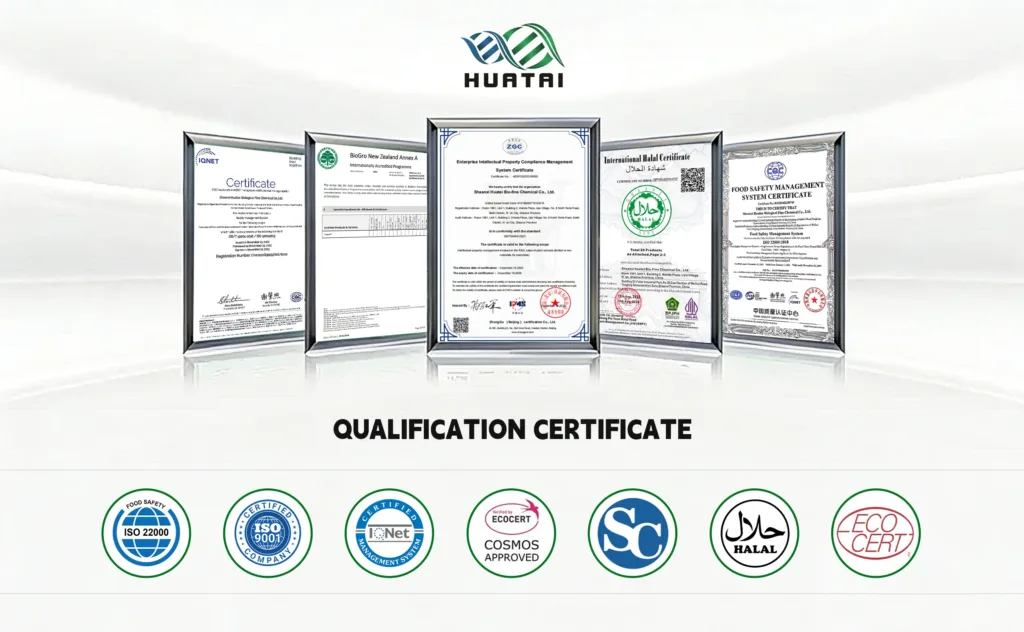
Il panorama normativo si sta inasprendo a livello globale. MoCRA negli Stati Uniti e valutazioni di sicurezza più rigorose nell'UE significano che i formulatori devono giustificare ogni ingrediente. L'acido glicirretico gode di uno status normativo molto favorevole. È approvato per uso cosmetico a livello globale. Il pannello di esperti del Cosmetic Ingredient Review (CIR) lo ha valutato e lo ha ritenuto sicuro per l'uso nelle pratiche e concentrazioni attuali. Questa conformità globale lo rende una scelta ideale per i marchi che desiderano esportare in più continenti senza riformulare.
Blueprint di formulazione: Balsamo di soccorso
Per aiutarti a iniziare immediatamente, ecco un suggerimento architetturale di base per un balsamo intensivo per il salvataggio della barriera.
| Fase | Ingrediente | Percentuale (%) | Funzione |
| UN | Water (Aqua) | Q.B. a 100 | Solvente |
| UN | Glicerina | 4.00 | Umettante |
| B | Caprylic/Capric Triglyceride | 12.00 | Emolliente |
| B | Alcool Cetearilico e Cetearil Glucoside | 4.50 | Emulsionante |
| B | Acido Glicirretico (98%) | 0.40 | Lenitivo attivo |
| B | Squalano | 3.00 | Riparazione della barriera |
| C | Conservante | 1.00 | Protezione |
Procedura: Scaldare separatamente la Fase A e la Fase B a 75°C. Assicurarsi che l'acido glicirretico sia completamente sciolto nella Fase B. Emulsionare la Fase B nella Fase A sotto alta agitazione. Raffreddare a 40°C e aggiungere la Fase C. Regolare il pH a 5,5.
La scelta di un ingrediente attivo va oltre la lettura di una brochure di marketing. Hai bisogno di plausibilità biologica, rigorosi standard di purezza e fornitura affidabile. L'acido glicirretico offre su tutti i fronti. Blocca l'infiammazione a livello enzimatico. Fornisce benefici clinici misurabili. Si formula in modo pulito se maneggiato correttamente.
Forniamo i dossier tecnici, il materiale ad alta purezza e il supporto applicativo necessari per portare sul mercato il tuo prossimo prodotto per la cura della pelle funzionale. Sosteniamo le nostre specifiche con rigorosi test di laboratorio. I campioni sono disponibili su richiesta per le tue prove di ricerca e sviluppo.
Riferimenti e letteratura pubblica citata:
- Cosmetic Ingredient Review (CIR) Expert Panel. (2007). Final report on the safety assessment of Glycyrrhetinic Acid, Potassium Glycyrrhetinate, Di-potassium Glycyrrhizate, Ammonium Glycyrrhizate. International Journal of Toxicology.
- Kowalska, A., et al. (2019). Estratto di radice di liquirizia come fonte di composti antinfiammatori e schiarenti. Journal of Dermatological Science.
- European Commission database for information on cosmetic substances and ingredients (CosIng) – Glycyrrhetinic Acid regulatory status.

 English
 German
 Italian
 French
 Spanish
 Japanese
 Korean
 Russian