
La combinazione di Acido Tranexamico (TXA) e Retinolo è una pietra miliare della cura della pelle moderna e ad alte prestazioni. Sebbene entrambi siano potenti, funzionano attraverso percorsi biologici completamente diversi. Comprendere come integrarli efficacemente consente un approccio a doppia azione per la salute della pelle: affrontare la texture e l'invecchiamento con il Retinolo, gestendo contemporaneamente la pigmentazione e l'infiammazione con l'Acido Tranexamico.
La Sinergia Biologica
Il Retinolo, un derivato della vitamina A, agisce principalmente aumentando il ricambio cellulare e stimolando la produzione di collagene. È il gold standard per affinare la texture, minimizzare le linee sottili e rassodare la pelle.
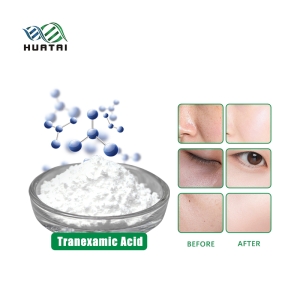
L'Acido Tranexamico è un derivato amminoacidico che agisce sul sistema plasminogeno/plasmina. Inibendo questo percorso, modula la segnalazione che dice ai melanociti di produrre melanina in eccesso. Ciò lo rende eccezionalmente efficace per il trattamento di melasma, iperpigmentazione post-infiammatoria (PIH) e macchie scure ostinate.
Se combinati, questi ingredienti offrono un effetto complementare:
- Preventivo e Correttivo: Il Retinolo esfolia e promuove il rinnovamento cellulare, mentre il TXA previene la formazione di nuovi pigmenti e sbiadisce le macchie esistenti.
- Controllo dell'infiammazione: Il Retinolo può occasionalmente causare irritazione o arrossamento durante il processo di retinizzazione. Il TXA possiede intrinseche proprietà antinfiammatorie, che possono aiutare a mitigare alcuni degli effetti collaterali più aggressivi associati ai retinoidi ad alta concentrazione.
Considerazioni sulla Formulazione e sulla Stabilità
Dal punto di vista della produzione, i due ingredienti sono altamente compatibili perché occupano "spazi" chimici diversi in una formulazione.
- Profili di Stabilità: L'Acido Tranexamico è una polvere cristallina stabile e solubile in acqua che rimane efficace in un ampio intervallo di pH. Non si ossida facilmente e ha un'interazione minima con altri ingredienti. Al contrario, il Retinolo è notoriamente instabile, altamente sensibile al calore, alla luce e all'ossigeno.
- Incapsulamento: Nelle formulazioni professionali avanzate, il Retinolo è quasi sempre incapsulato. L'incapsulamento protegge il Retinolo dallo stress ambientale, garantendo che raggiunga la pelle prima di degradarsi. Ciò consente inoltre ai formulatori di creare sistemi multi-attivi in cui il Retinolo stabilizzato e l'Acido Tranexamico solubile in acqua coesistono senza destabilizzarsi a vicenda.
- Migliori Pratiche di Produzione:
- Gestione del pH: Entrambi gli ingredienti funzionano meglio in un ambiente equilibrato (pH 5,0 – 6,5).
- Controllo Termico: Aggiungere sempre il Retinolo incapsulato durante la fase finale di raffreddamento (sotto i 40°C) per preservare l'integrità della capsula.
- Chelazione: Includere agenti chelanti come il Disodio EDTA per garantire che gli ioni metallici in tracce non catalizzino l'ossidazione del Retinolo.
Applicazione Pratica per gli Utenti
Sebbene sicuro per la maggior parte dei tipi di pelle, la potenza di questa combinazione richiede un approccio cauto.
- Introdurre Gradualmente: Iniziare usando il Retinolo 2-3 volte a settimana, permettendo alla pelle di adattarsi. L'Acido Tranexamico può essere generalmente introdotto più frequentemente grazie alla sua natura delicata.
- Strategia di Stratificazione:
- L'Approccio di Stratificazione: Applicare prima il siero all'Acido Tranexamico (dopo la detersione/tonificazione), lasciarlo assorbire, quindi proseguire con il prodotto a base di Retinolo.
- La Routine Divisa: Per chi ha la pelle sensibile, è molto efficace usare l'Acido Tranexamico al mattino (seguito da SPF) e il Retinolo la sera. Ciò garantisce la massima efficacia senza sovraccaricare la barriera cutanea.
- Supporto della barriera: Poiché il Retinolo aumenta il ricambio cellulare, supportare sempre la pelle con un idratante di alta qualità per prevenire la secchezza e mantenere l'integrità della barriera.
Riepilogo della Compatibilità
| Caratteristica | acido tranexamico | Retinolo (Incapsulato) |
| Funzione primaria | Illuminante e Antinfiammatorio | Anti-invecchiamento e Ricambio Cellulare |
| Solubilità Acqua/Olio | Solubile in acqua | Solubile in olio (richiede un veicolo) |
| Stabilità | Alto | Bassa (Sensibile a Luce/Aria) |
| Miglior Momento di Utilizzo | AM e PM | Solo PM |
Riferimenti
- Cosmetify. "Puoi usare l'acido tranexamico con il retinolo?"
- Dermatica. "Chiedi a un dermatologo: puoi usare l'acido tranexamico e il retinolo, o i retinoidi?"
- QRxLabs. "L'acido tranexamico può essere usato con il retinolo?"
- SkinLab. "Iperpigmentazione: perché l'acido tranexamico funziona così bene"
- Szeasychem. "Articolo sull'acido tranexamico 3 – Stabilità e compatibilità della formulazione"



 English
 German
 Italian
 French
 Spanish
 Japanese
 Korean
 Russian