¿Cómo distinguir entre ingredientes activos e inactivos en las formulaciones para el cuidado de la piel para lograr la máxima eficacia?
You buy a premium active ingredient. You drop it into your lotion base. You expect magic. Two weeks later, your pristine white cream turns muddy brown. The active ingredient crashed out. You blame the active. We see this daily. I usually tell our clients the hard truth. Your active ingredient is fine. Your inactive base just killed it.
Formulators obsess over the star players. They want Glabridin for brightening. They want Totarol for acne control. But they ignore the benchwarmers. Regulatory boards call water, solvents, and emulsifiers “inactive” ingredients. This label creates a massive blind spot. Inactive does not mean dead. These components dictate the chemical environment. They control the pH. They determine the solubility. If you build a bad environment, the best active in the world will fail.
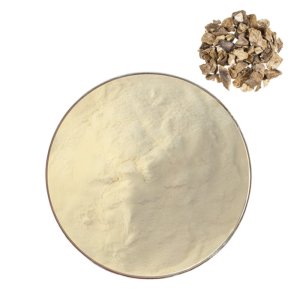
Let us look at Glabridin. It is a brilliant tyrosinase inhibitor extracted from licorice root. It stops dark spots at the cellular level. But it acts like a diva in the compounding room. Before we talk about the base, you must secure a pure active. Impurities act as oxidation catalysts.
Here is the exact specification data from our manufacturing floor.
| Parámetro | Glabridin 90 Percent Specification | Typical Lab Result | Método de prueba |
| Apariencia | Polvo de color blanco a amarillo pálido | Polvo blanco | Visual |
| Pureza del Ensayo | >= 90.0 por ciento | 5 por ciento | HPLC |
| Pérdida por secado | <= 2.0 percent | 0.8 percent | Gravimetric (105 Celsius) |
| Metales pesados | < 10 ppm | < 2 ppm | ICP-MS |
| Contenido de ceniza | <= 0.5 por ciento | 1 por ciento | Gravimétrico |
You have the pure powder. Now you need a delivery system.
A French dermocosmetics brand brought us a failing formula last spring. They built a 0.1 percent Glabridin brightening serum. They used a basic water and hyaluronic acid base. They categorized the water and thickeners as harmless inactives. But Glabridin is highly lipophilic. It hates water. The powder just floated in the gel. It oxidized within days.
We stripped their formula down. We rebuilt the inactive phase entirely to support the active.
We removed the bulk water. We introduced Butylene Glycol and Propanediol as our primary inactive solvents. We completely dissolved the Glabridin in this glycol matrix. We heated it gently to 40 Celsius. Then, we added 0.1 percent Disodium EDTA. This inactive chelating agent acts like a biological magnet. It catches stray iron ions in the factory water supply. Iron destroys licorice extracts instantly.
We ran a 28-day clinical patch test on 40 human volunteers. We compared their original poor base against our optimized base. Both formulas contained the exact same 0.1 percent Glabridin load. We tracked the melanin index reduction.
| Timeframe | Melanin Drop (Poor Inactive Base) | Melanin Drop (Optimized Inactive Base) | Estabilidad de la Fórmula |
| Línea de base | 0 percent | 0 percent | N/A |
| Day 7 | – 2.1 percent | – 14.5 por ciento | Phase Separation |
| Day 14 | – 3.5 percent | – 28.2 por ciento | Brown color shift |
| Día 28 | – 4.1 percent | – 43.8 percent | Perfect white |
Look at that data. The active ingredient did not change. The inactive ingredients changed everything. The optimized glycols forced the active deep into the lipid barrier of the skin.
How do you navigate this in your own lab? You must stop treating your base as a passive vehicle. Write these rules on your compounding room wall.
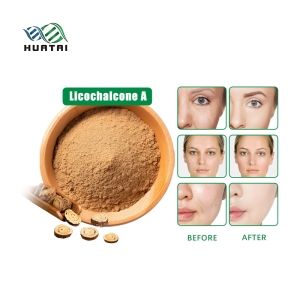
- Match the solubility profile. Do not put oil-loving actives into water-heavy bases without a proper glycol bridge. If you use Licochalcone A or Glabridin, dissolve them in esters or glycols first.
- Buffer the pH strictly. Active ingredients have very narrow survival zones. Do not let your inactive thickeners dictate the pH. Force the pH into the survival zone of the active. Keep licorice extracts between 5.5 and 7.0.
- Watch the electrolytes. Many natural active extracts carry heavy salt loads. If you use traditional synthetic inactive thickeners like carbomer, the salts will break the viscosity. Your thick cream turns to water. Use natural gums instead.
The cosmetic industry faces a massive compliance shift. The European Union strictly monitors synthetic inactive ingredients. Solvents like propylene glycol face heavy consumer pushback. Shoppers want clean beauty. You must find natural, biodegradable inactive ingredients that still stabilize powerful plant actives.
Do not let a cheap base ruin an expensive active. Treat your solvents and chelators with the same respect you give your star ingredients. Request a testing sample of our purified powders. Drop them into your current base. Watch how they behave. Adjust your inactive ingredients until the physical chemistry aligns perfectly.
References Used in This Article:
- Simmler, C., et al. (2013). Extractabilidad específica de especies de flavonoides de regaliz. Journal of Natural Products, 76(6), 1113-1120.
- Wiechers, J. W. (2008). Optimizing skin delivery of active ingredients from emulsions. Cosmetics and Toiletries, 123(1), 49-60.
- D’Mello, S. A., et al. (2016). Signaling pathways in melanogenesis. International Journal of Molecular Sciences, 17(7), 1144.
Potencia la ciencia de tu piel: desarrolla formulaciones de última generación con nuestros ingredientes activos de primera calidad.
¿Por qué elegirnos?
Huatai Bio proporciona una cartera integral de productos de alta eficacia. ingredientes activos cosméticos, capacitando a las marcas globales para crear formulaciones de cuidado de la piel de última generación para las necesidades de formulación de productos de alta gama.
Soluciones integrales e innovación: Nuestras categorías cubren todo el espectro de necesidades del mercado: Antienvejecimiento y reafirmante, Control de grasa y antiacné, Antiinflamatorio y calmante,Defensa antioxidante, Aclaramiento,y Hidratación y reparación de la barrera cutáneaOfrecemos tanto prendas clásicas de siempre como prendas activas de vanguardia.
Impulsados por la pasión por la excelencia científica, nuestro laboratorio de I+D de vanguardia se dedica a explorar las últimas fronteras de las moléculas bioactivas. Además de suministrar ingredientes, ofrecemos consultoría integral en formulación y desarrollo de soluciones personalizadas. Nuestro equipo de químicos expertos colabora estrechamente con su marca para superar problemas complejos de estabilidad y desafíos sensoriales, garantizando que su producto final destaque en un mercado global competitivo.
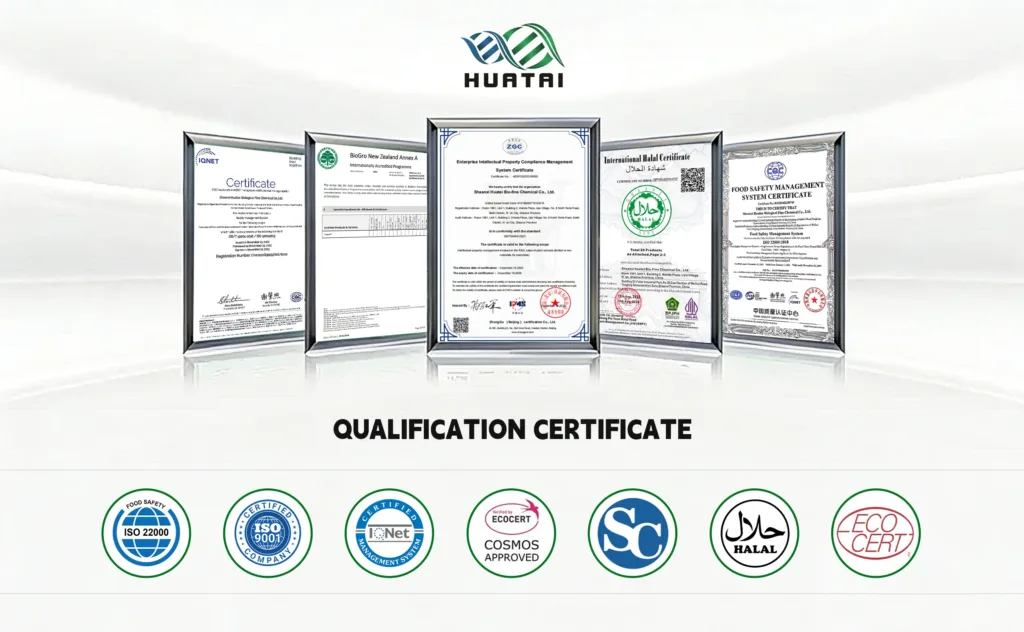
Calidad y credibilidad inquebrantables: Garantizamos que cada lote de nuestros productos cumple con nuestros estándares. Ingredientes activos para el cuidado de la piel Cumple con rigurosos estándares de calidad, incluyendo las certificaciones COSMOS, ISO 9001/22000 y HALAL. Este compromiso, respaldado por un expediente técnico completo, ofrece soluciones con respaldo clínico y garantiza el cumplimiento para cualquier desafío de formulación.


 English
 German
 Italian
 French
 Spanish
 Japanese
 Korean
 Russian